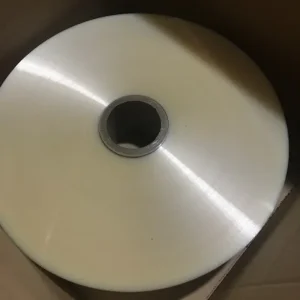
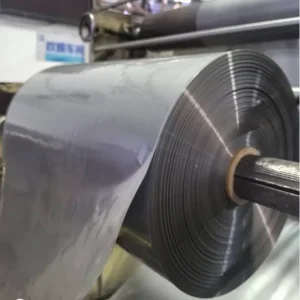
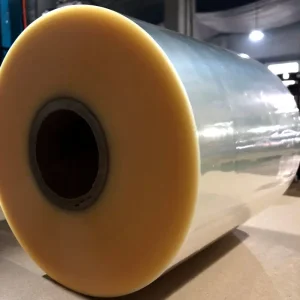
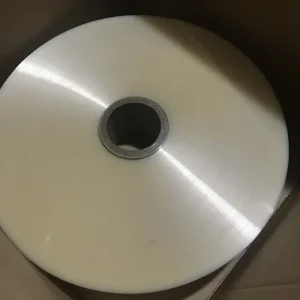
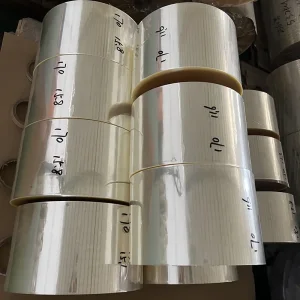
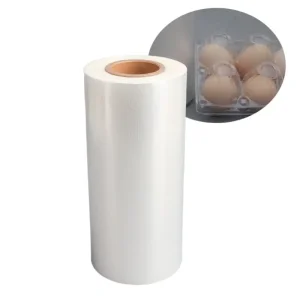
Engineered for High-Speed Packaging Lines and Optimal Seal Integrity in Seattle's Seafood and Organic Produce Packaging Sectors.
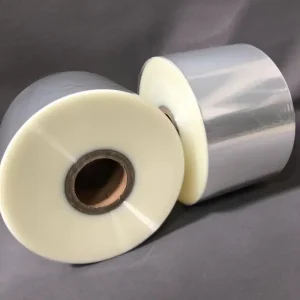
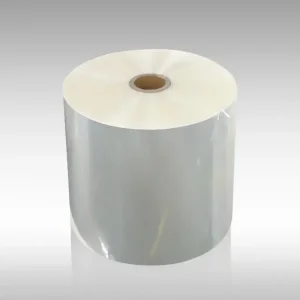
An in-depth analysis of Cast Polypropylene (CPP) and Oriented Polypropylene (OPP) technology, regional industrial adaptation, and global factory sourcing dynamics.
The Greater Seattle area, encompassing Bellevue, Tacoma, and Kent Valley, represents a pivotal logistic and production hub in the Pacific Northwest (PNW). Characterized by a high concentration of specialty coffee roasters, seafood cold-chain operations, health food start-ups, and pharmaceutical packaging facilities, the regional demand for barrier films is highly demanding. Specifically, Seattle's maritime climate requires packaging materials with excellent moisture barrier properties and dimensional stability.
Traditional packaging structures often rely on non-recyclable multi-material laminates. However, under current Washington State environmental policies (such as SB 5022 and shifting producer responsibility frameworks), local brand owners are transitioning toward high-performance mono-material packaging structures. In this context, co-extruded CPP and OPP heat-sealable films represent the ideal solution. They provide high transparency, puncture resistance, and seal integrity, without compromising recyclability at the end-of-life cycle.
Seafood processors in Seattle require packaging materials that can withstand sub-zero blast-freezing temperatures while maintaining seal strength. Cast Polypropylene (CPP) is particularly valued here due to its low-temperature impact strength and excellent puncture resistance against sharp shell edges.
Understanding the distinction between Cast Polypropylene (CPP) and Oriented Polypropylene (OPP) is critical for structural engineers. While both share a propylene base, their physical behavior is determined by their respective manufacturing processes:
By designing a laminated structure utilizing both films (BOPP as the outer printable layer and CPP as the inner sealant layer), we create a high-barrier, 100% recyclable polyolefin laminate. This configuration minimizes material weight, lowers the total carbon footprint, and optimizes manufacturing efficiency on high-speed VFFS (Vertical Form Fill Seal) machines.
Working directly with a top-tier Chinese manufacturer like Zhongshan Tianchen New Materials Co., Ltd. provides Seattle buyers with significant cost savings, scale efficiency, and customized engineering. Domestic sourcing often limits options to standard formulations. In contrast, our factory offers customized multi-layer co-extrusion (3-layer and 5-layer lines), allowing us to adjust the coefficient of friction (COF), seal initiation temperature, and slip agent migration based on each client's specific equipment.
Logistically, our proximity to South China ports (Nansha, Shenzhen) ensures weekly departures to the Port of Seattle and the Port of Tacoma. With transit times ranging between 16 and 22 days, Seattle businesses can implement just-in-time (JIT) inventory management strategies. This helps minimize domestic storage costs while securing factory-direct pricing that is 20% to 35% lower than North American wholesale suppliers.
At Zhongshan Tianchen New Materials Co., Ltd., quality control is embedded in every step of the extrusion process. Our clean-room facilities operate under GMP standards, ensuring that all food-contact films comply with FDA Regulations 21 CFR 177.1520 and EU directive 10/2011. Every batch of film undergoes gas chromatography testing to monitor solvent retention, along with automated optical inspection systems to detect pinholes, gel specs, and thickness variations across the web width.
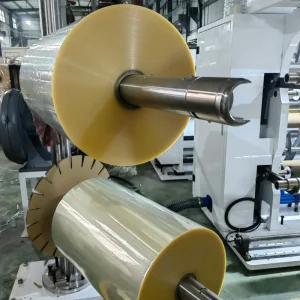
Take a look inside our high-tech co-extrusion facility. Clean room environments guarantee zero contaminant contact for food safety certifications.
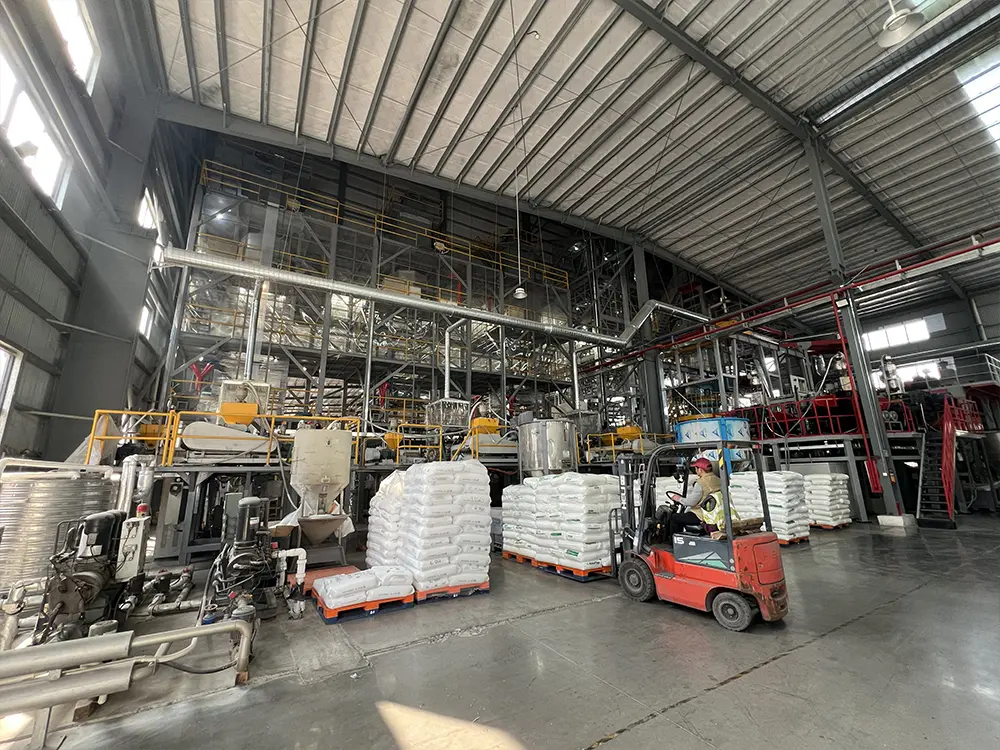
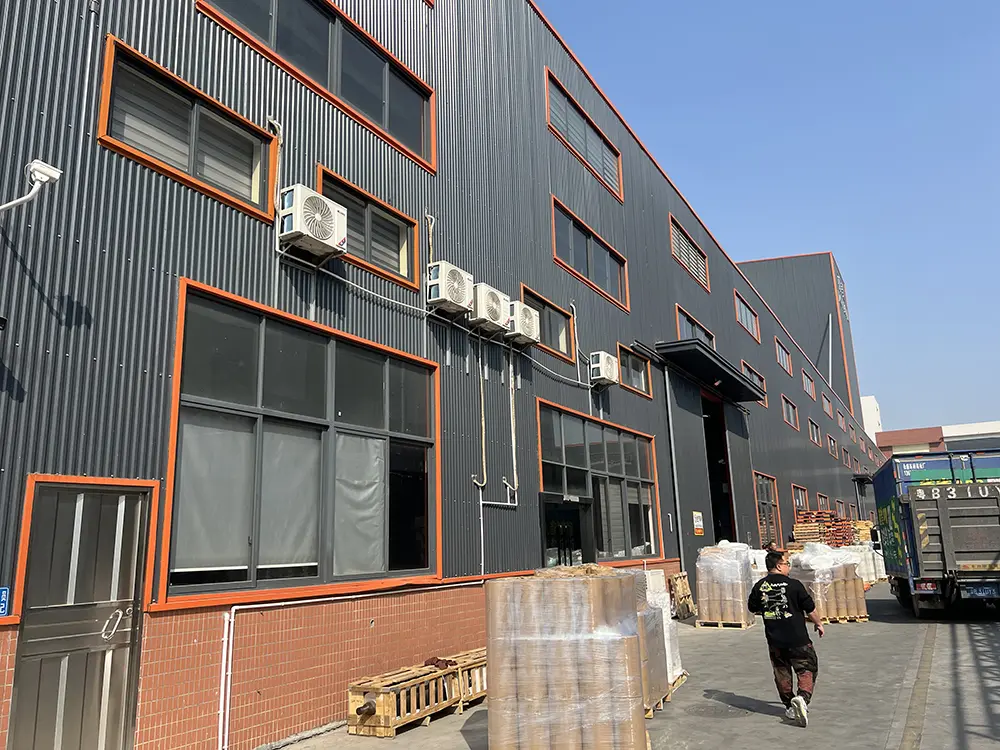
Zhongshan Tianchen New Materials Co., Ltd. – Your One-Stop Packaging Material Procurement Platform.
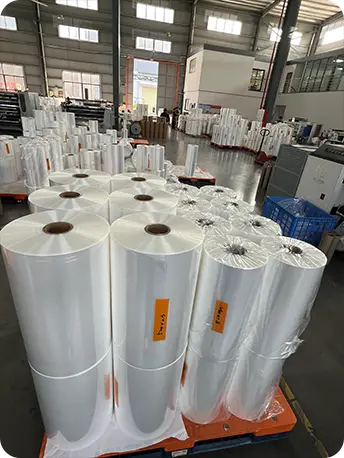
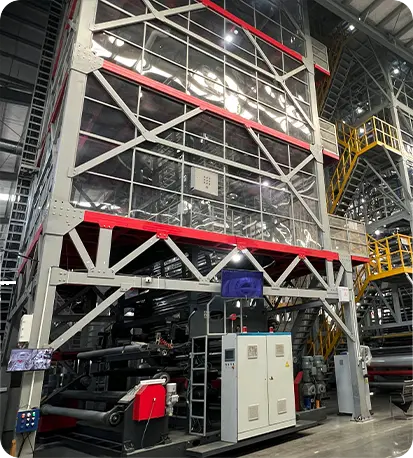
At Tianchen, We have a professional production, research and development and sales teams, so quality control is taken very seriously. The modern quality control system implemented within the company ensures that all products meet the customer’s standards. This commitment to quality, combined with large-scale production capabilities, has garnered significant favor and trust from customers. The company's experienced professionals continuously work to innovate and improve product offerings, ensuring that they always deliver the best to their clients.
Zhongshan Tianchen New Materials Co., Ltd. is a one-stop packaging material procurement platform established on the basis of more than 20 years of experience in the film packaging industry to act as a comprehensive one-stop packaging material procurement platform. Established on the foundation of extensive industry experience, Tianchen is driven by a commitment to resource integration and addressing customer needs, ensuring that it offers the finest solutions for diverse packaging requirements.
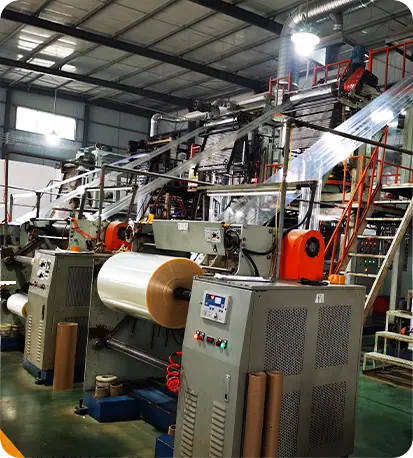
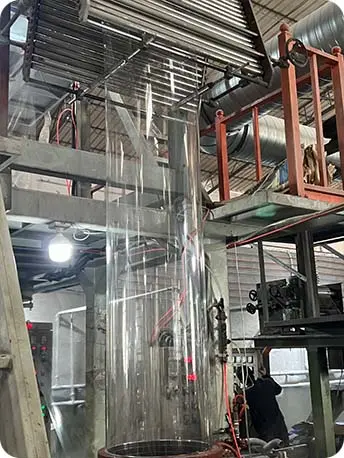
In a competitive marketplace, Zhongshan Tianchen New Materials Co., Ltd. stands out as a reliable partner for all your packaging material needs. As a one-stop packaging material procurement platform, Tianchen combines decades of industry expertise with a passion for quality and customer satisfaction. Whether you need eco-friendly heat shrink films or durable labeling solutions, Tianchen is here to provide the best in the industry.
Our service structure is geared toward minimizing procurement complexity. We handle everything from polymer resin selection to custom slitting widths, corona treatment levels, optical transparency tuning, and final ocean freight handling. This streamlined workflow reduces lead times and guarantees stable material properties roll-over-roll.
Everything you need to know about physical properties, machine parameters, international logistics, and regional compliance.
Explore our complete inventory of shrink films, wine caps, custom printed labels, and high-clarity barrier materials available for Seattle packaging operations.
 Tianchen Materials