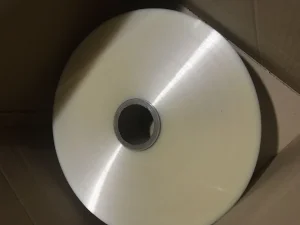
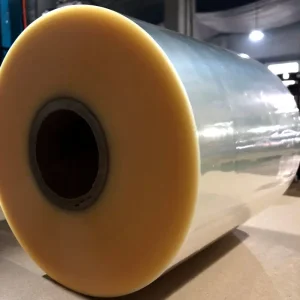
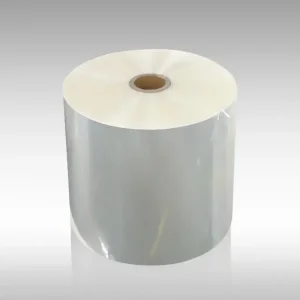
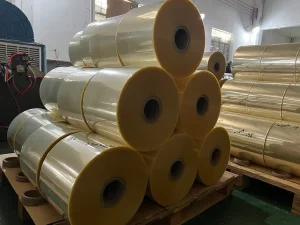
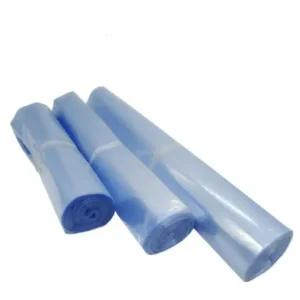
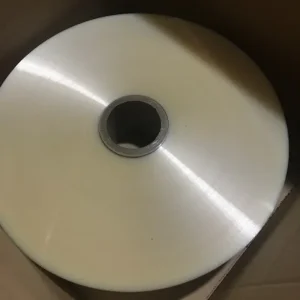
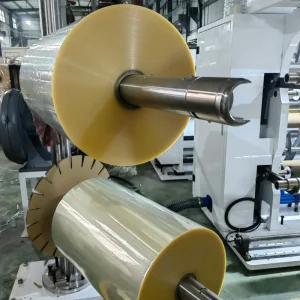
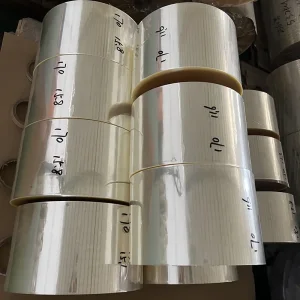
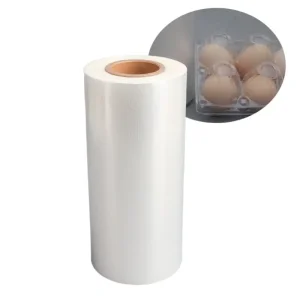
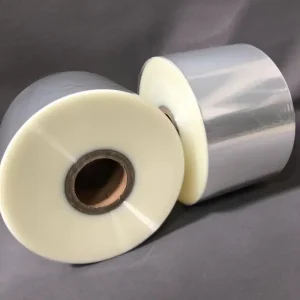
Explore our industrial-grade PVC, POF, and OPP barrier and shrink films engineered to standard specifications.
Established as a comprehensive, one-stop packaging and film procurement platform, Zhongshan Tianchen New Materials Co., Ltd. leverages over 20 years of robust expertise in the polymer and film manufacturing industries. Guided by vertical integration and client-oriented structural development, Tianchen consistently delivers targeted material formulations to fulfill complex structural demands across packaging and high-durability surface finishes.
Our commitment to rigorous quality control processes ensures our material properties remain consistent batch-to-batch. By combining large-scale extrusion capacities with optimized polymer recipes, we support industrial partners in standardizing their production lines, minimizing downtimes, and achieving clean, defect-free surface lamination.
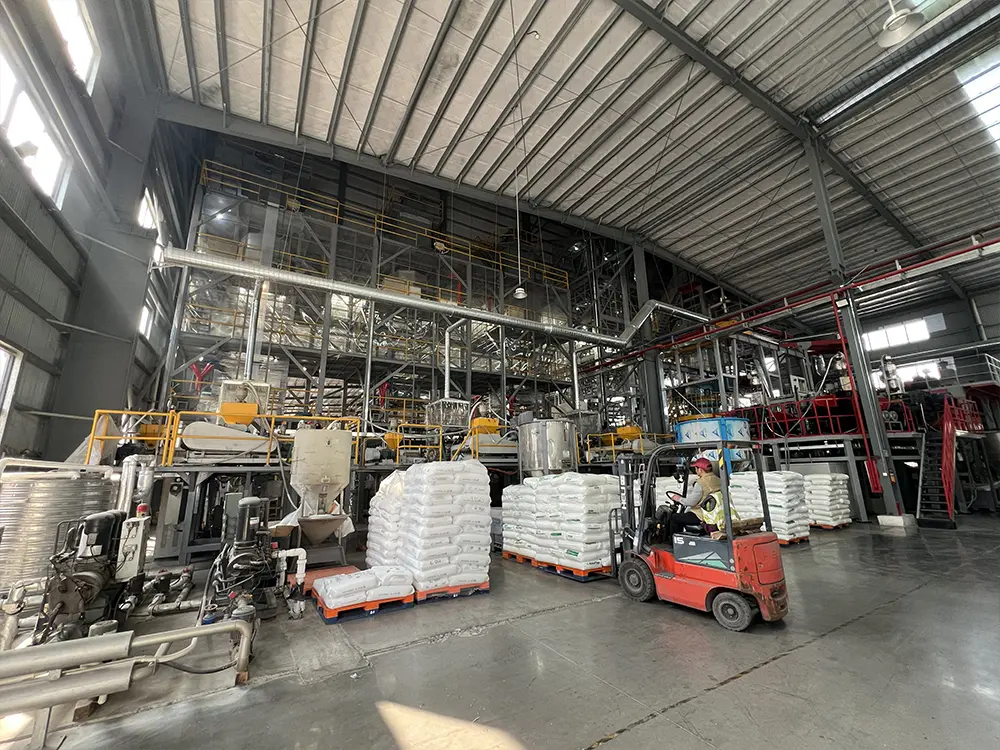
We deploy dedicated polymer scientists and production technicians to regulate molecular alignment, extrusion metrics, and plasticization properties. From custom thickness profiling to anti-static treatments, our R&D wing aligns chemical characteristics with practical applications.
Each batch of PVC and polyolefin material undergoes stress testing, dimensional tolerance checking, and thermal stability checks. We minimize surface defects, pinholes, and uneven shrinkage to guarantee optimal flatness during high-speed production runs.
By integrating film production, custom slit operations, surface treatment, and bulk packaging logistics, we simplify procurement cycles. Companies benefit from consolidated shipments, competitive wholesale pricing, and unified tracking systems.
Polyvinyl Chloride (PVC) films used in furniture manufacturing are complex chemical compounds designed to withstand continuous mechanical stress, UV radiation, and shifting ambient temperatures. The base vinyl resin is augmented with specialized plasticizers (such as DOTP, a non-phthalate plasticizer preferred for global compliance), heat stabilizers, and UV blockers to ensure the material remains flexible during fabrication while retaining structural integrity over years of use.
During the calendering phase, physical variables like melt temperature, roll tension, and line speed are monitored by automated optical scanners. These systems detect deviations down to the micron level, preventing issues like thickness variation (gauge variation) and surface craters. The surface energy of the film is dynamically monitored to maintain ratings above 38 dynes/cm. This optimizes bonding with polyurethane reactive (PUR) adhesives and standard EVA hot-melts, ensuring the film adheres securely to medium-density fiberboard (MDF) and particleboard substrates.
Our industrial PVC film configurations serve as versatile surface coatings across residential, commercial, and hospitality sectors. The material adapts to various production setups:
Operating out of Zhongshan, China, our manufacturing facilities integrate digital process automation with lean production concepts. Our calenders and extrusion lines use automated closed-loop systems to adjust thickness profiles in real time. This minimizes material waste and ensures consistent color matching across different production runs ($dE < 0.8$ under standard D65 illumination).
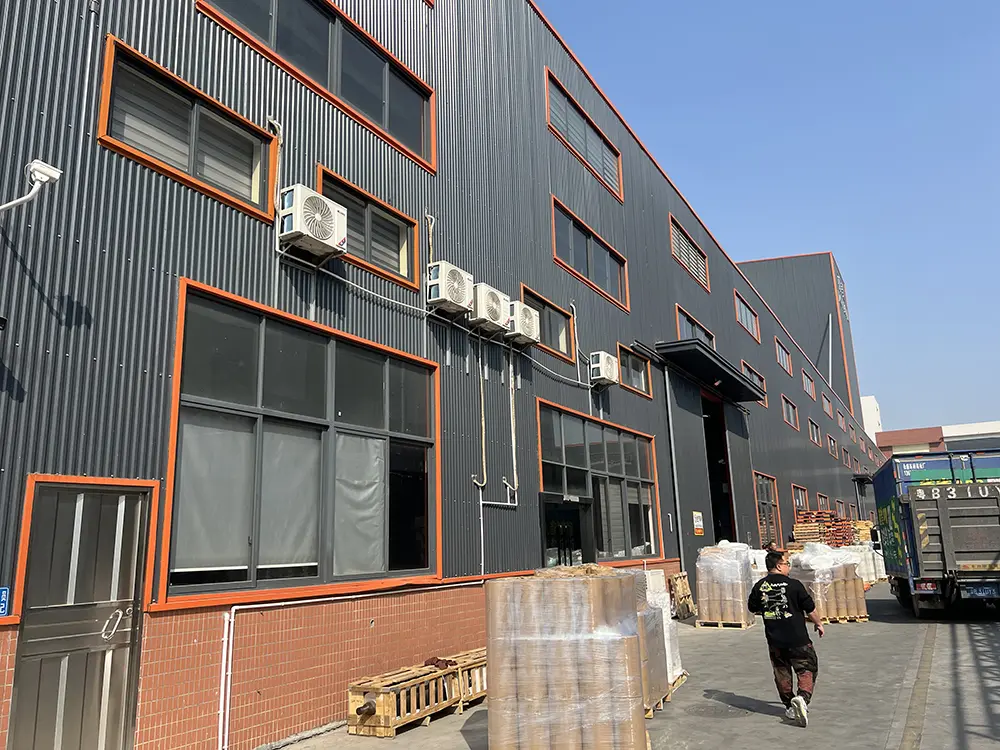
This automated framework protects our clients from market shortages and price volatility. By maintaining direct control over formulation raw materials and primary extrusion steps, we ensure stable lead times even during global shipping disruptions. Furthermore, our warehouses keep raw PVC compounds and carrier films in stock to accelerate manufacturing for custom bulk orders.
Our laboratory validates performance metrics across various industrial protocols, including: ASTM D3363 (Pencil Hardness test for scratch resistance), ISO 4892-2 (Accelerated Xenon arc weathering to guarantee UV stability), and EN 71-3 (Safety compliance check for heavy metal migration, ensuring suitability for children's furniture applications).
As market dynamics shift toward circular economy models, the research team at Tianchen is focused on sustainable polymer formulations. Our technical roadmap highlights two main goals:
Bio-Based Formulations: Incorporating plant-derived plasticizers and bio-attributed PVC resins. This reduces the carbon footprint of the manufacturing cycle without compromising mechanical properties such as tensile strength, elongation at break, or thermal stability.
Self-Healing & Matte Surface Finishes: Integrating micro-acrylic coatings that heal minor scratches under heat exposure. These finishes resist fingerprints and chemical stains, keeping commercial surfaces clean and visually appealing even in high-traffic environments.
Sourcing materials internationally requires compliance with national and regional regulatory standards. Our PVC film formulations are modified to meet environmental and safety directives worldwide:
We work closely with procurement teams to customize film formulations for regional climates. For instance, films shipped to high-humidity regions receive specialized antimicrobial treatments to prevent mold growth along edge seams.
Expert insights on processing parameters, chemical resistance, and logistics coordination for global PVC film procurement.
Explore our full range of shrink films, barrier sheets, and surface wrapping options direct from the factory.
 Tianchen Materials