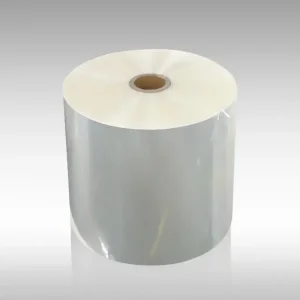
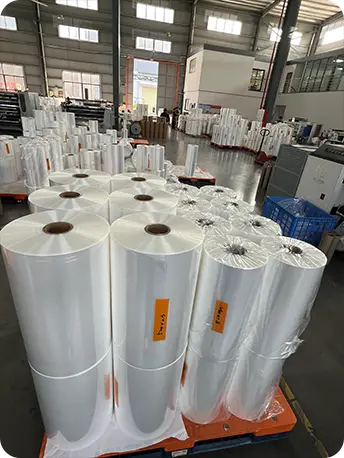
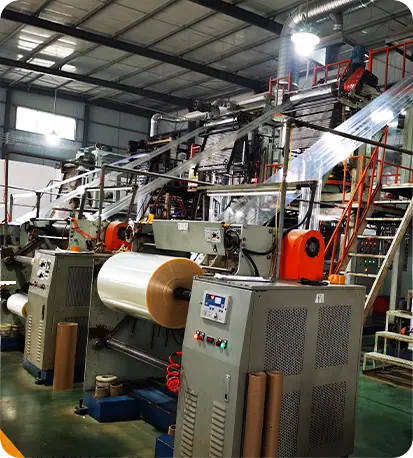
Direct supply from state-of-the-art Chinese manufacturing lines engineered to meet demanding international standards.
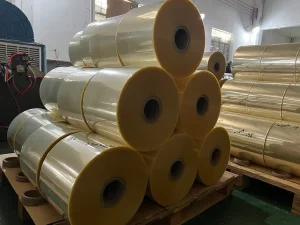
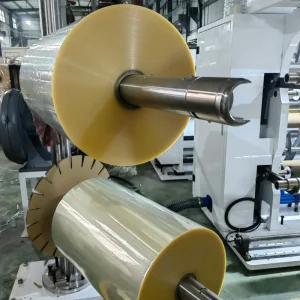
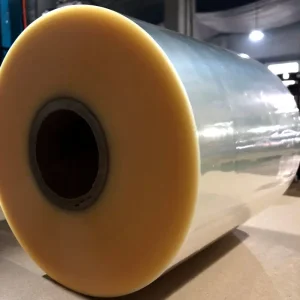
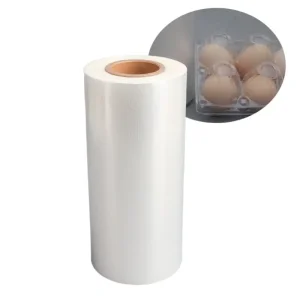
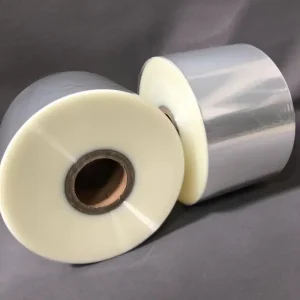
In the modern globalized supply chain, outer secondary and tertiary packaging materials are no longer viewed merely as functional layers. Instead, they represent vital components of cargo protection, moisture management, brand aesthetics, and machinery throughput rates. As high-speed automated packaging runs (such as HFFS and VFFS lines) scale upwards, the physical and chemical tolerances of polymeric films have become critical bottlenecks for corporate operational efficiency. This white paper analyzes the material science, manufacturing optimization, and procurement logic behind next-generation packaging films.
Whether dealing with biaxially oriented structures or multi-layered co-extrusions, the choice of raw resin polymers and the precision of the manufacturing profile dictate performance. For instance, the transition from PVC (polyvinyl chloride) to POF (polyolefin co-polymer) is driven by environmental directives and the physical requirement for high-durability hermetic seals. For larger industrial applications, heavy-duty PE (polyethylene) shrink films offer containment capabilities capable of securing heavy unitized loads. Understanding the micro-structural differences and physical-mechanical behaviors of these polymeric films is key to choosing the correct material for specific packaging setups.
“Operational throughput and shipping protection are directly correlated to the chemical stability, shrink metrics, and tensile profile of the chosen packaging film. Material technologies represent the quiet backbone of secure global transport.”
A Comprehensive One-Stop Packaging Material Procurement Platform with Decades of Proven Enterprise Expertise.
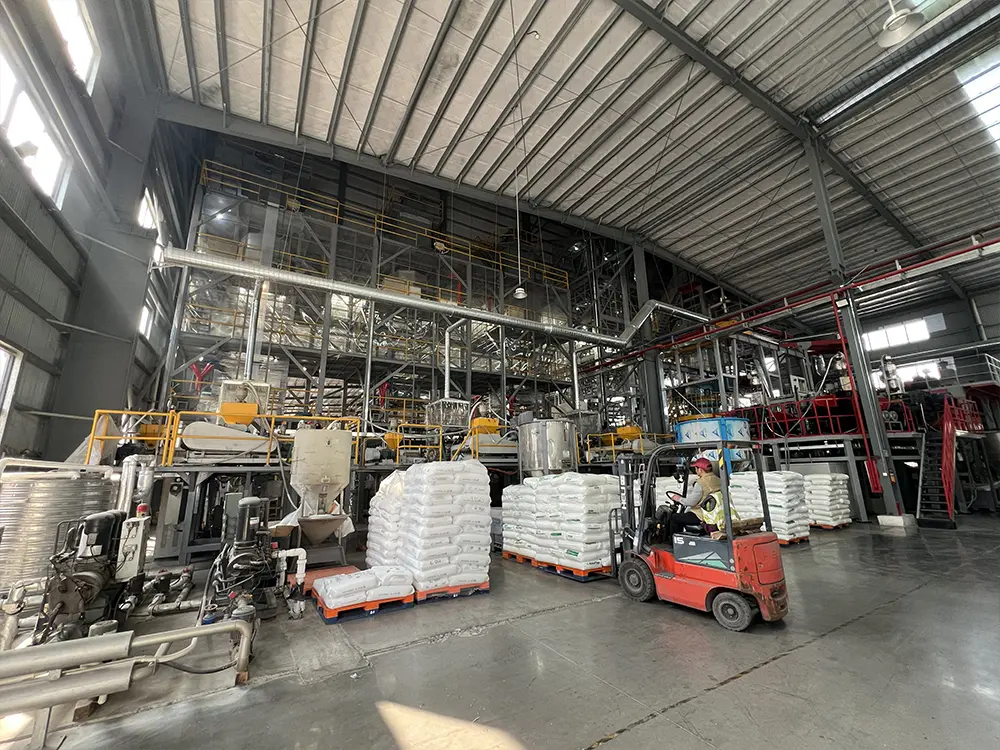
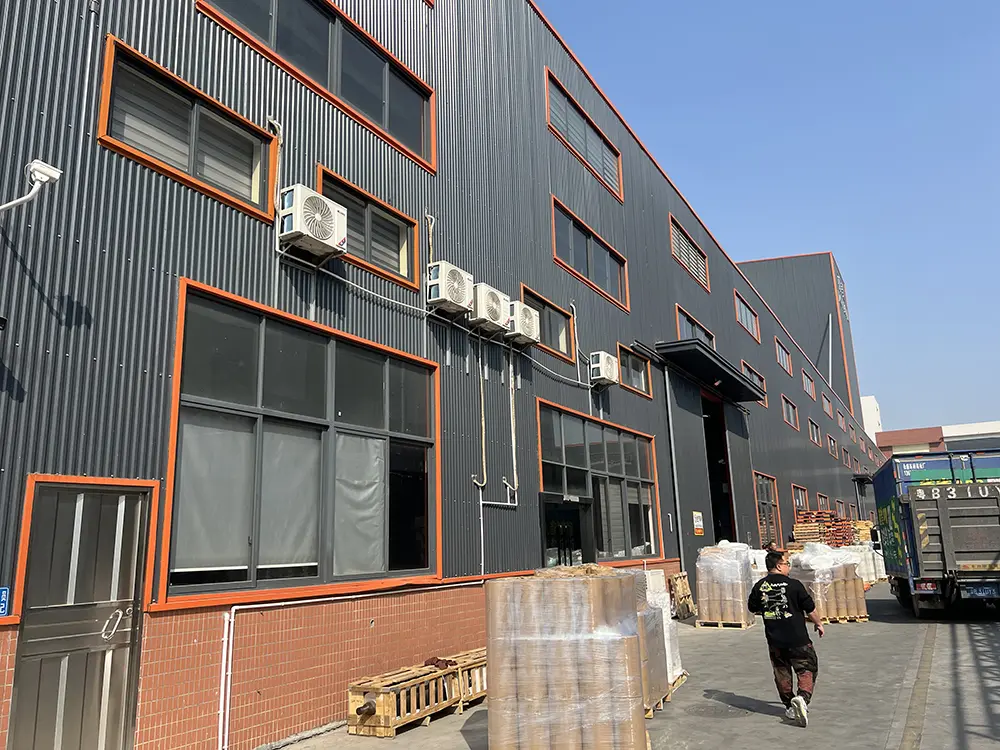
Established on the foundation of intensive, multi-decade film packaging industry experience, Zhongshan Tianchen New Materials Co., Ltd. operates as a leading manufacturing and procurement entity. Drawing upon more than 20 years of research and production insights, Tianchen is built to integrate advanced downstream fabrication processes with robust upstream polymer sourcing. This structure allows us to address the diverse technical requirements of global corporate enterprises.
Through systematic quality control paradigms, automated manufacturing systems, and proactive research and development, we eliminate supply chain vulnerabilities. We guarantee that all polymer formulations are engineered to provide maximum tear resistance, optical clarity, and thermal contraction consistency.
Experienced chemical engineers continuously optimize polymer blends, ensuring consistent thickness tolerances and thermal responses.
An integrated catalog including POF, PVC, PE, and OPP/CPP films enables streamlined logistics and consolidated freight savings.
A rigorous examination of chemical profiles, barrier characteristics, and application suitability.
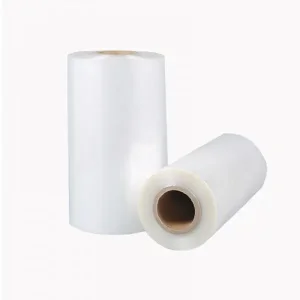
POF is a co-extruded, multi-layer film consisting of polyethylene and polypropylene layers. It provides exceptional puncture resistance, high tensile strength, and superior optical clarity. Characterized by low-temperature shrinkage curves, POF does not emit corrosive gases during heat sealing, making it ideal for food, pharmaceuticals, and multi-packs.
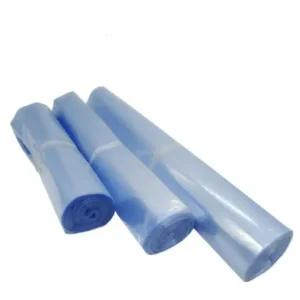
PVC shrink films are highly valued for their ease of use, sharp contraction curves, and excellent printing compatibility. They are widely used for shrink sleeve labels, safety seals, and tape packaging. PVC provides stable stiffness for low-cost, high-speed wrapping operations where regulatory restrictions do not apply.
Oriented Polypropylene (OPP) and Cast Polypropylene (CPP) films serve as the foundation for modern flexible packaging. Engineered for food contact, these films offer high moisture barrier properties, excellent grease resistance, and strong heat seals. They are commonly used for packaging bakery goods, snacks, and daily necessities.
The concentration of raw chemical refineries, polymer processing machinery builders, and specialized workforces in China's industrial zones (such as the Guangdong province delta region) creates a highly efficient manufacturing ecosystem. This ecosystem delivers several key competitive advantages:
Industrial procurement teams at multinational enterprises operate under strict parameters. They require more than just low per-unit material costs. Key requirements include:
High-speed wrapping machinery requires consistent roll width, roll winding tension, and slip properties (Coefficient of Friction, COF) to avoid costly line jams.
Packaging films must withstand changes in temperature and humidity during transit across different climates without premature shrinkage or degradation.
Materials must meet international standards, including FDA regulations for direct food contact, EU REACH protocols, and RoHS environmental directives.
The packaging industry is shifting toward thinner, high-performance films and increased environmental responsibility. Key trends driving this evolution include:
1. Material Downgauging: Advanced polymers allow manufacturers to reduce film thickness (e.g., from 19 microns to 15 or 12 microns) while maintaining the same puncture resistance and holding force. This reduces overall plastic usage, lowers transport weight, and decreases carbon emissions.
2. PCR & Circular Polymers: Incorporating Post-Consumer Recycled (PCR) content into shrink films helps brands meet sustainability targets and comply with international recycling regulations.
3. Low-Temperature Shrink Curves: New polyolefin formulations shrink at lower temperatures, reducing the energy consumption of shrink tunnels and allowing heat-sensitive products to be safely packaged.
Environmental conditions directly influence how polymeric materials behave in real-world applications. Tailoring the film formulation to the destination market is critical to avoiding packaging failures:
High-Humidity Tropics (e.g., Southeast Asia, Central America): Moisture can trap condensation inside packaging, leading to product degradation. In these regions, hot-perforated POF films or high-barrier OPP/CPP films with anti-fog coatings are recommended to maintain clarity and protect contents from moisture damage.
Cold-Chain Logistics (e.g., Northern Europe, North America): Standard films can become brittle at sub-zero temperatures, leading to seal failures during transit. For these applications, specialized cross-linked POF formulations are used to maintain elasticity and impact resistance at temperatures down to -40°C.
High-Speed Print & Label Application: Automatic sleeving machinery requires film with high stiffness and controlled shrinkage curves. Specially formulated PVC or PETG films with balanced TD/MD shrink ratios are used to ensure labels conform smoothly to complex bottle geometries without distorting printed graphics.
Compliance & Quality Assurance: Zhongshan Tianchen New Materials Co., Ltd. implements rigorous inspection protocols, ensuring our products comply with FDA, REACH, and RoHS standards. This gives global partners the assurance that our materials meet strict international safety and environmental regulations.
In-depth answers to common questions about polymer film performance, selection, and processing.
Engineered for consistent performance across food, pharmaceutical, industrial, and consumer goods packaging applications.
 Tianchen Materials