Explore our high-performance, manufacturing-grade flexible barrier materials engineered for optimal shelf-life extension and high-speed packaging efficiency.
Deep-dive analysis of Vacuum Metallized Cast Polypropylene (VMCPP) films and their critical role in modern industrial packaging systems.
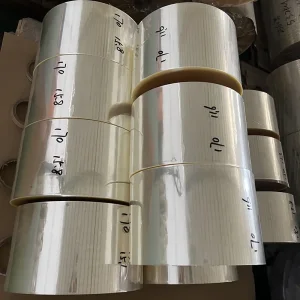
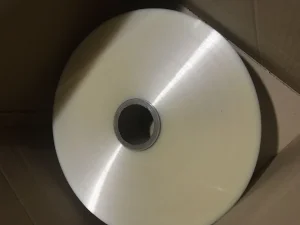
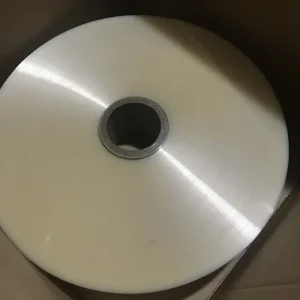
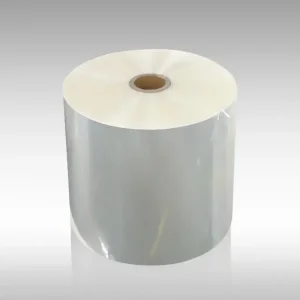
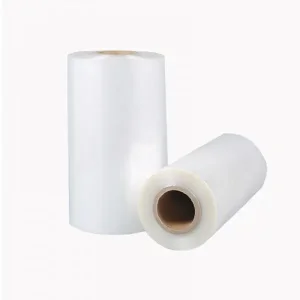
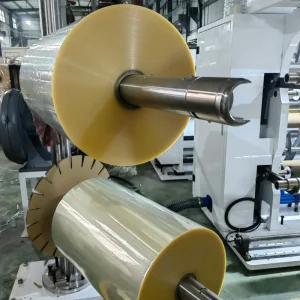
In the global flexible packaging matrix, Vacuum Metallized Cast Polypropylene (VMCPP) represents a critical intersection of cost-efficiency, mechanical tenacity, and superior aesthetic appeal. As a composite polymer film subjected to physical vapor deposition (PVD) of aluminum under high vacuum levels, VMCPP is specifically engineered to combine the high sealing strength of cast polypropylene (CPP) with the exceptional light, oxygen, and moisture barrier performance characteristics typical of metallic foils.
Historically, the packaging industry relied heavily on pure aluminum foils for structural barrier requirements. However, macro-economic pressures, supply chain volatility, and the imperative for light-weighting have shifted procurement priorities toward metallized polymers. Unlike biaxially oriented alternatives (like VMBOPET or VMBOPP), VMCPP retains its ductile, heat-sealable elastomer profile, allowing it to serve as the direct sealant layer in laminated structures. This eliminates processing steps, lowers total material thickness, and effectively reduces carbon footprints across the manufacturing workflow.
Global procurement directors face intensifying performance criteria when selecting a packaging partner. Today's supply chains demand materials that can withstand rapid thermal processing, exhibit high slip properties for fast running speeds on vertical/horizontal form-fill-seal (VFFS/HFFS) equipment, and remain chemically inert when in contact with complex lipid, acidic, or volatile organic food components. VMCPP satisfies these stringent requirements by offering a tailored hermetic seal layer with heat seal initiation temperatures (HSIT) ranging from 105°C to 125°C, ensuring rapid throughput speeds without compromising packaging integrity.
Your One-Stop Packaging Material Procurement Platform
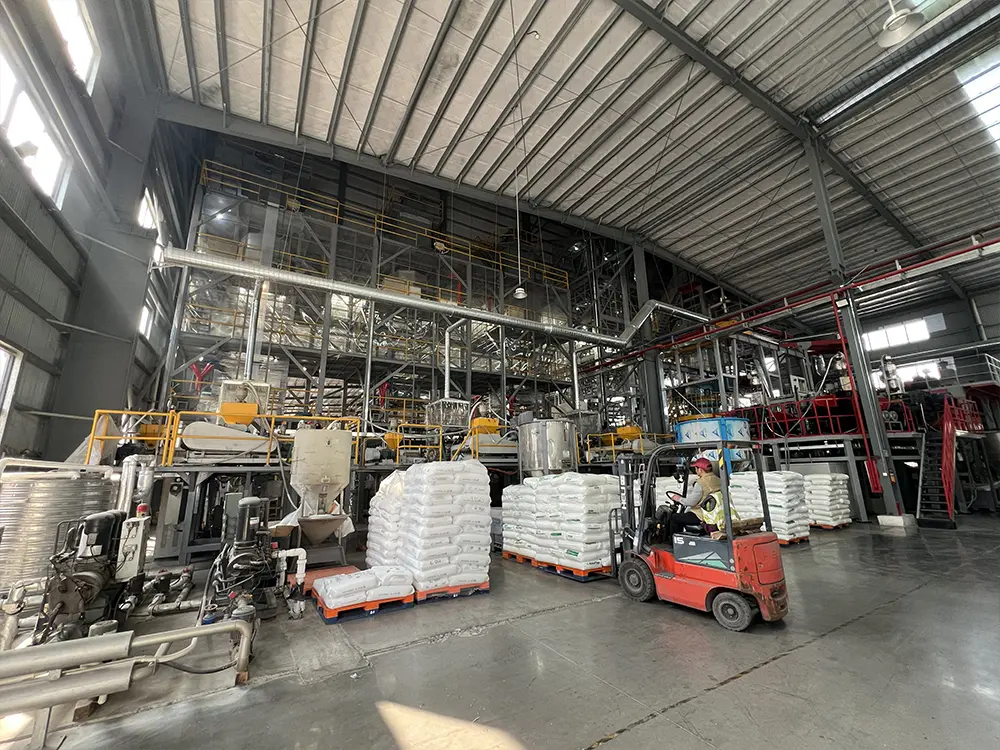
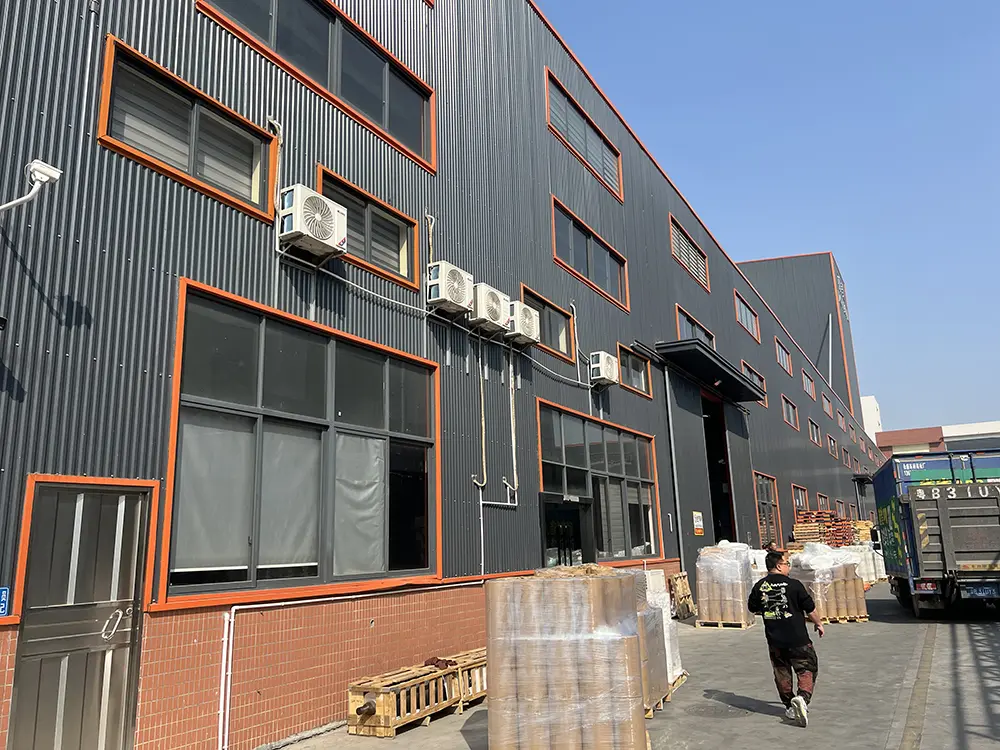
Established on the foundation of over 20 years of extensive industry experience in film extrusion and processing, Zhongshan Tianchen New Materials Co., Ltd. serves as a comprehensive, integrated hub for high-performance packaging. We are driven by a commitment to strategic resource integration, technical validation, and customized development, ensuring we offer the finest protective and barrier packaging options available in the market today.
Our professional production, R&D, and quality control teams maintain strict parameters for film consistency. Through rigorous adherence to internal QC systems, every batch of material produced matches the specific chemical, structural, and mechanical profiles required by our global client base. Whether the application calls for high-barrier heat-shrink materials, custom-printed labeling lines, or high-barrier metallized films like VMCPP, our large-scale output capabilities guarantee stable pricing, prompt dispatch, and long-term performance reliability.
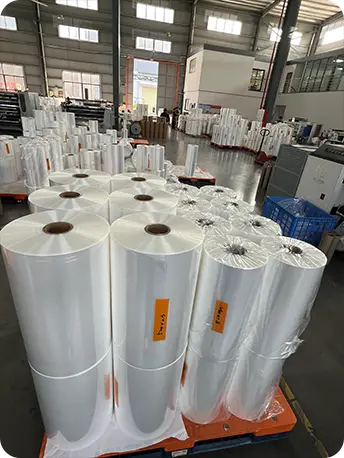
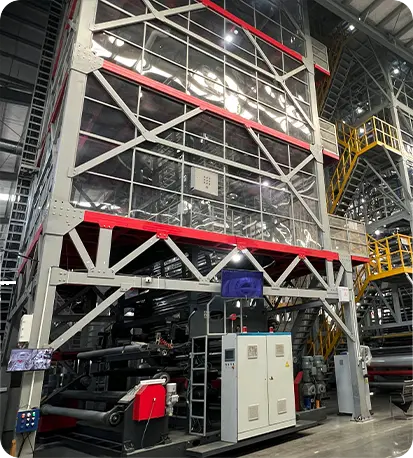
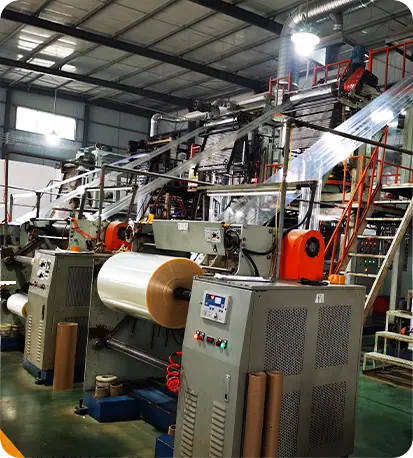
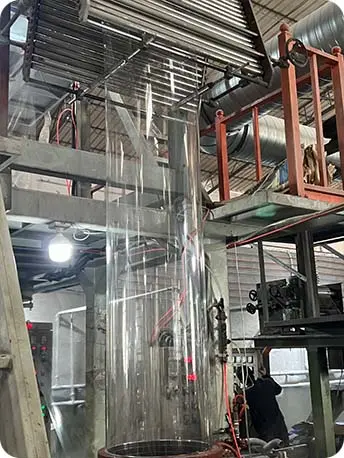
How our advanced VMCPP and barrier films address critical structural demands across diverse industrial sectors.
Providing oxygen-barrier and moisture-barrier liners for snacks, pet foods, biscuits, and powdered foods, preventing rancidity and extending crispness and flavor profiles.
Delivering high-barrier foil-replacement layers in multi-layer laminates for dry powder sachets, diagnostic strips, and medical device protective envelopes.
Ideal for vacuum insulation panels (VIP), electronic component packaging, thermal bubble wrap insulation, and construction moisture barriers.
One of the primary failure modes in flexible packaging laminations utilizing metallized films is mechanical delamination—the separation of the vacuum-deposited aluminum crystal layer from the base film, or from the outer printing web (often BOPET or BOPP) under mechanical stress or temperature fluctuations during heat sealing. Zhongshan Tianchen addresses this limitation through the application of inline plasma pre-treatments in the metallization chamber, modifying the polymer's surface energy, ensuring a minimum aluminum adhesion level of 3.0 N/15mm.
Navigating the transition to sustainable mono-material structures, high-output extrusion, and ultra-high barrier targets.
As the international community converges toward circular economy frameworks, the primary design parameter for flexible packaging has shifted from simple performance maximization to design-for-recyclability. Historically, high-barrier pouch applications necessitated complex, non-recyclable multi-material laminate structures like PET / Alu Foil / PE or PET / VMCPP / PE. Today, the technology roadmap focuses on developing mono-material PP solutions, where biaxially oriented PP (BOPP) is laminated to high-barrier VMCPP, creating an all-polypropylene structure that is fully recyclable within standard PP municipal streams.
Maintaining stringent international certifications, food contact declarations, and global logistic support networks.
Exporting packaging films to highly regulated markets like the European Union, the United States, and Japan requires a manufacturer to maintain a comprehensive regulatory compliance registry. All VMCPP materials manufactured and supplied by Zhongshan Tianchen are compliant with FDA Regulation 21 CFR 177.1520 for olefin polymers, alongside EU Regulation (EU) No 10/2011 regarding plastic materials intended to come into contact with food. This ensures zero migration of toxic plasticizers, heavy metals, or chemical additives into packaged consumer products.
To support global supply chains, our operations offer extensive documentation, including certificates of analysis (COAs) detailing tested oxygen transmission rates (OTR), water vapor transmission rates (WVTR), coefficient of friction (COF), and heat seal strength curves for every production lot. This level of traceability is supported by local customs brokers and distribution partners globally, ensuring duty clearances are smooth, transport risks are minimized, and storage warehouses remain fully supplied.
Expert answers to the most common engineering and procurement questions regarding metallized cast polypropylene films.
Explore the full breadth of our packaging supply platform, featuring highly specialized shrink, sealable, and barrier films.
 Tianchen Materials