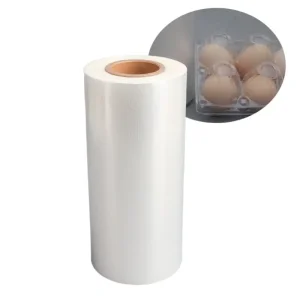
Explore our industrial-grade PVC, POF, and PE solutions manufactured under strict ISO quality controls.
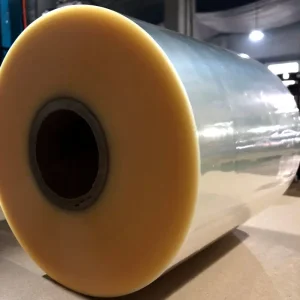
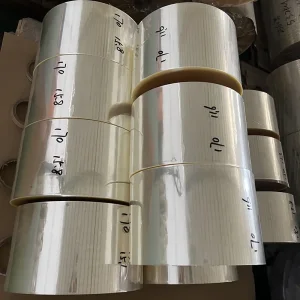
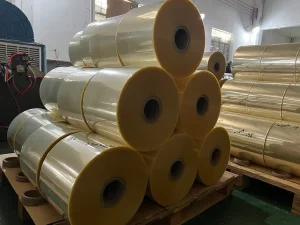
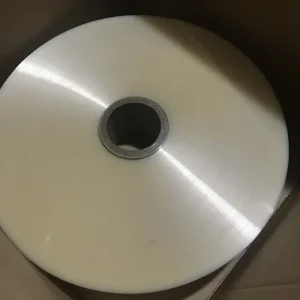
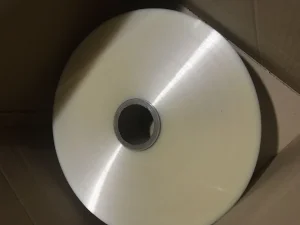
In the highly competitive landscape of global product presentation and protective packaging, selecting the correct polymer substrate is critical. Industrial decisions range from protective transparency coatings to tamper-evident seals. For procurement directors, chemical engineers, and product managers, evaluating PVC (Polyvinyl Chloride), POF (Polyolefin), and PE (Polyethylene) film configurations requires a comprehensive understanding of raw material properties, thermodynamic performance, and manufacturing compliance.
“The optimization of high-clarity transparent packaging relies on two key parameters: balancing cross-link molecular memory with precise thermal contraction profiles. As modern sorting facilities adopt high-speed machinery, polymer consistency determines the boundary between successful automation and operational downtime.”
Different packaging requirements demand specific polymer configurations. PVC shrink bags and films offer exceptional optical clarity (light transmission >92%) and high stiffness, making them ideal for retail packaging like cosmetics and label sleeves. However, for food applications and high-strength industrial wraps, co-extruded POF or heavy-duty PE films are often preferred due to their wider operating temperatures and superior puncture resistance. Below is a professional-grade technical comparison:
| Physical Property | PVC (Polyvinyl Chloride) | POF (Polyolefin) | PE (Polyethylene) |
|---|---|---|---|
| Haze / Transparency | < 2.0% (Extremely High Clarity) | < 3.0% (Excellent Sheen) | 5.0% - 9.0% (Translucent to Clear) |
| Tensile Strength (MD/TD) | 45 / 40 MPa | 95 / 90 MPa | 25 / 22 MPa |
| Shrink Temp Range | 110°C - 130°C | 120°C - 160°C | 150°C - 180°C |
| Tear Propagation Resistance | Low (Easy Tear, ideal for sleeves) | Extremely High (Puncture Resistant) | High (Heavy Load Holding) |
| Recyclability Code | #3 (PVC) | #4 (LDPE) / #5 (PP) Blend | #4 (LDPE/LLDPE) |
The global packaging market relies on China’s manufacturing base, particularly in industrial clusters like Zhongshan, Guangdong. China-based manufacturers are not just low-cost operations; they are technological innovators in plastic co-extrusion technology. Key factors that make Chinese factories valuable supply partners include:
Optimizing packaging requires mapping the film to the application. Using the wrong film type can compromise seal integrity, cause dog-ears, or damage the product during processing:
A. Print Label Sleeves & Tamper-Evident Closures: High-density PVC films excel here. Their rigidity makes them easy to apply on high-speed label insertion machines, and their uniform shrinkage profiles (up to 60-70% in the machine direction) allow them to conform to complex bottle shapes.
B. Food & Retail Multipacks: POF is the preferred material for food-grade packaging. The multi-layer structure prevents odor transfer and maintains food safety compliance under FDA regulations. Its durability makes it excellent for high-volume retail displays, from books to boxed gift sets.
C. Heavy Industrial Goods & Beverages: Custom PE shrink films are designed to hold heavy loads. When wrapping heavy beverage cases or automotive parts, PE's high elasticity and thick profile (up to 150 microns) secure loads without requiring heavy outer boxes.
Proper material selection is only half the equation; calibrating the shrink tunnel is also critical. Even high-grade films can fail if the heating process is incorrect:
International buyers require strict quality assurance. Large companies expect packaging materials to meet international standards. A reliable factory maintains cleanroom manufacturing spaces and tests every production run for:
Your Reliable One-Stop Packaging Material Partner with Decades of Proven Field Expertise.
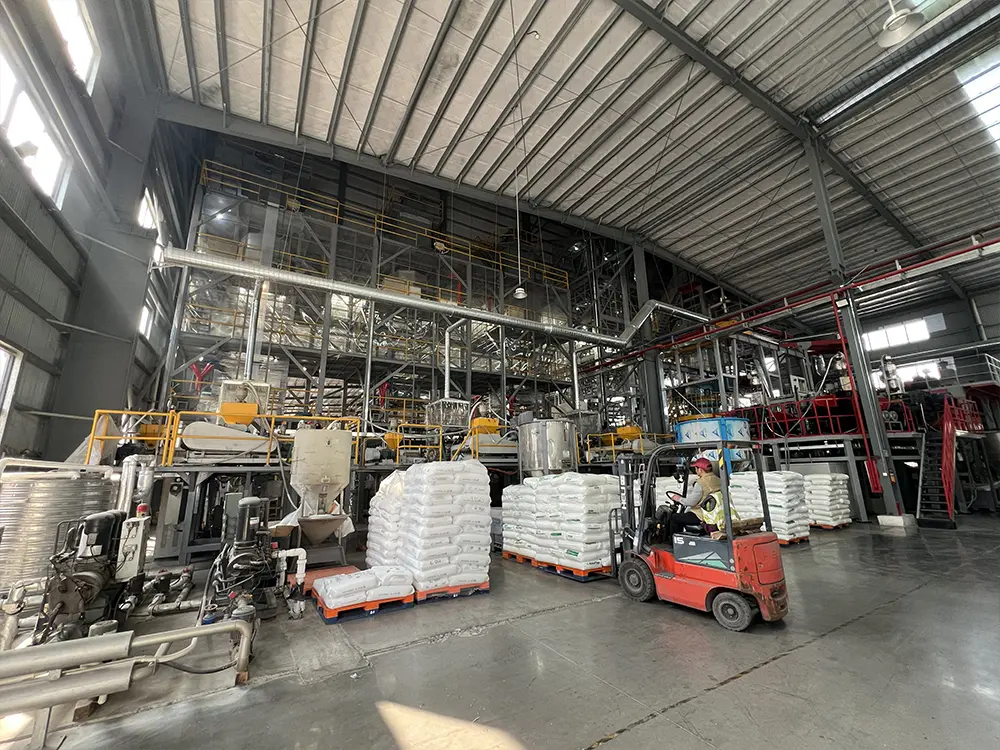
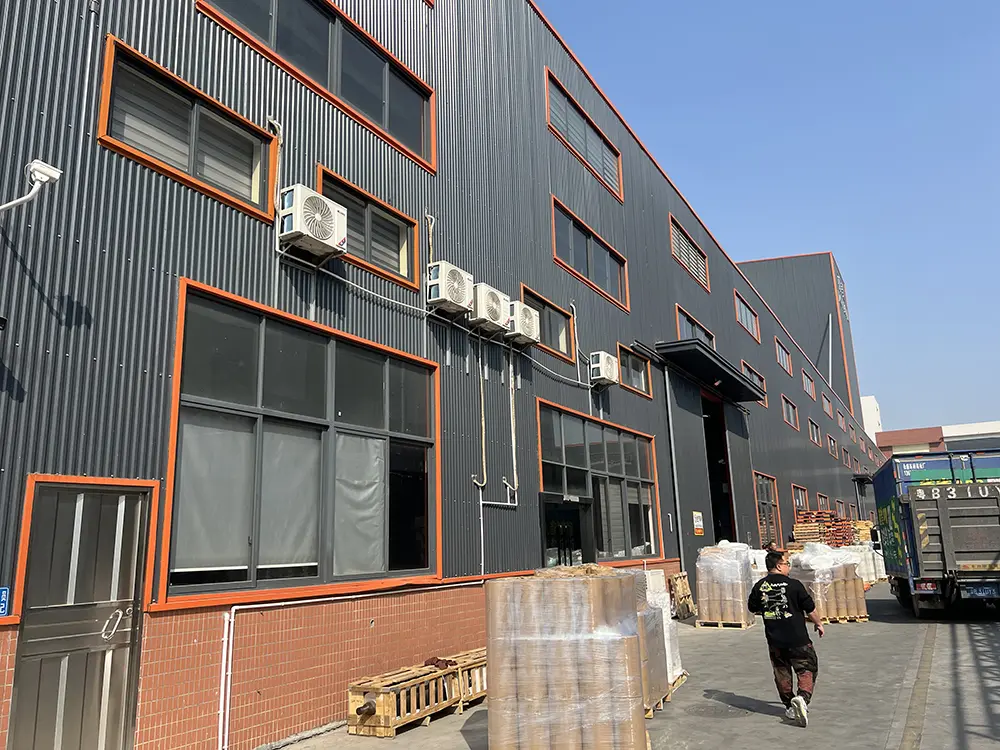
Zhongshan Tianchen New Materials Co., Ltd. is a comprehensive packaging material procurement platform built on over 20 years of experience in the film packaging industry. We integrate resources and address specific customer needs to provide reliable solutions for diverse packaging requirements.
We work closely with clients to supply high-quality heat shrink films and custom printing solutions, serving both high-volume industrial operations and specialized artisan brands.
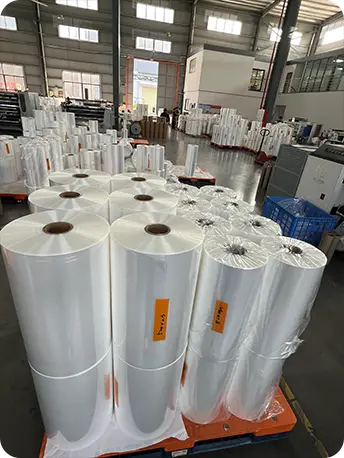
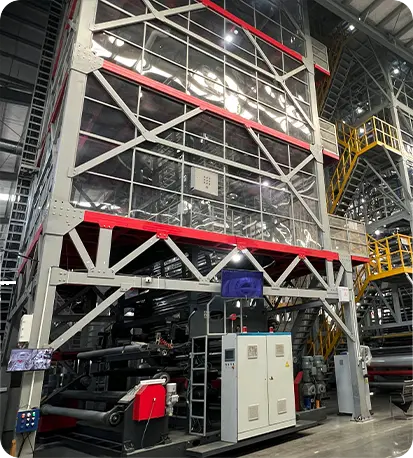
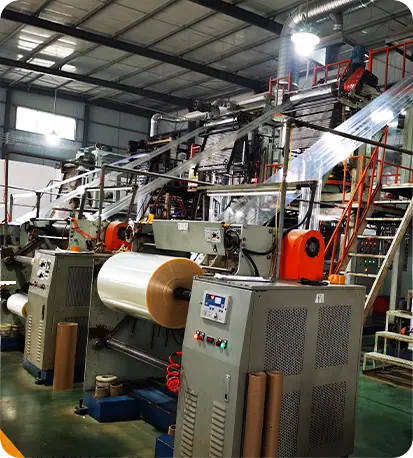
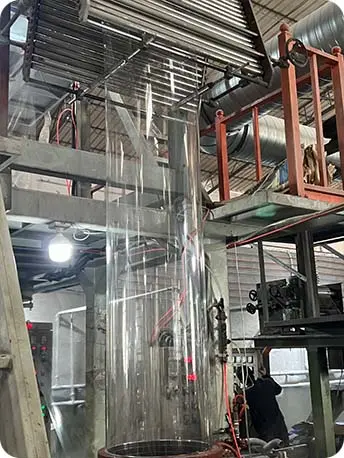
Our dedicated production, R&D, and sales teams maintain strict quality control at every stage. We implement modern QC systems to ensure every shipment meets customer specifications.
We combine decades of technical expertise to simplify sourcing. From eco-friendly POF shrink films to durable labeling solutions, we streamline your packaging procurement.
We modify raw polymers to create custom characteristics, including anti-fog coatings, static dissipative performance, and specific machine shrink ratios.
Expert answers to common questions about polymer selections, specifications, and customization.
Select specialized film formulations optimized for food packaging, heavy-duty shipping, and label decoration.
 Tianchen Materials