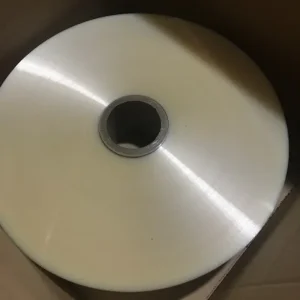
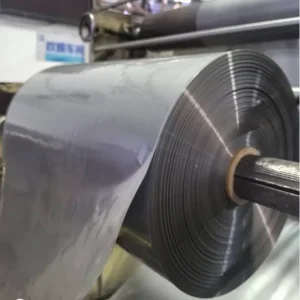
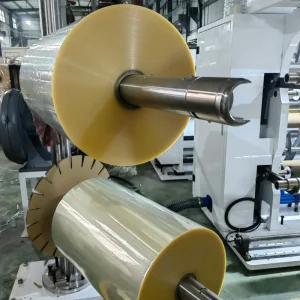
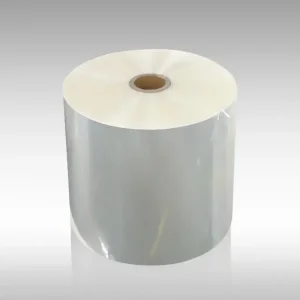
Explore our industrial-grade, multi-layer co-extruded polymers optimized for automated wrapping platforms and surface protection.
Analyzing macro-economic shifts, intercontinental logistical pressures, and why high-yield load retention matters.
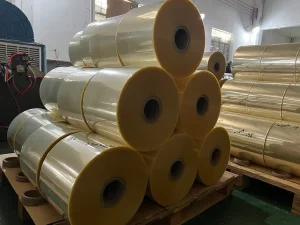
In modern supply chain ecosystems, cargo safety is paramount. The global shipping landscape handles billions of tons of freight annually, a significant portion of which is stabilized using Polyethylene (PE) Stretch and Protective Films. For procurement managers, logistics heads, and automated packaging systems, selecting the appropriate film is no longer a transactional decision. It is an engineering choice that directly impacts Total Cost of Ownership (TCO), transit security, damage rates, and environmental compliance.
The global demand for high-performance PE films is driven by the expansion of automated warehousing systems and rapid logistics networks. Standard packaging plastics fail under high-speed mechanical tension. This has accelerated the transition toward advanced Metallocene Linear Low-Density Polyethylene (mLLDPE) formulations. These materials offer exceptional puncture resistance, high stretch ratios, and superb elastic recovery. Consequently, manufacturers must maintain tight tolerances in chemical blending and extrusion metrics to prevent load failure during long-haul transport.
Deep-dive into Cast vs. Blown processes, multi-layer polymer chemistry, and mechanical load-holding metrics.
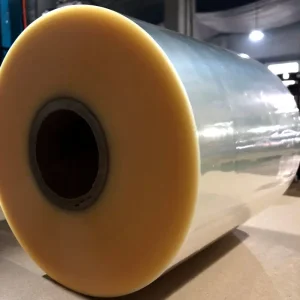
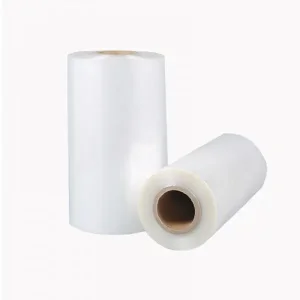
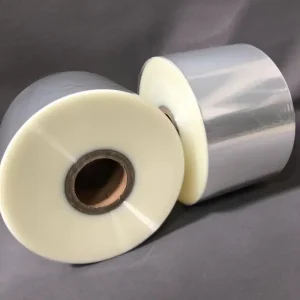
Cast stretch film is produced by feeding molten resin through a flat slot die structure onto a chilled roll. This rapid cooling process minimizes crystallization, producing a film with outstanding optical clarity, high gloss, and quiet unwind.
This technology is ideal for high-speed automatic wrapper lines where visual scanning (barcode readability) is required.
Blown stretch film is extruded through a circular die, inflated into a vertical bubble, and cooled by ambient air. This slower cooling allows polymer molecules to orient in both directions.
The resulting film delivers superior load holding, higher tear resistance, and outstanding puncture opposition, making it perfect for heavy, sharp, or irregular cargo.
Modern high-performance films are no longer single-layer products. Using co-extrusion technology, manufacturers layer different polymers to combine distinct properties into one film.
Your comprehensive one-stop procurement platform for advanced, high-performance packaging materials.
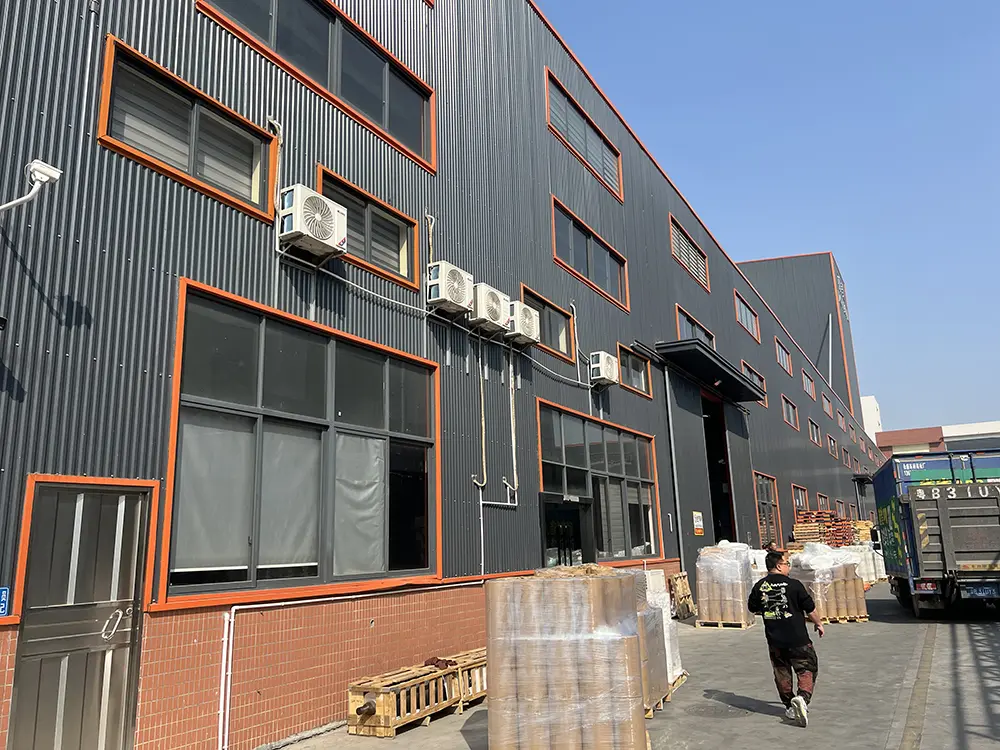
Zhongshan Tianchen New Materials Co., Ltd. is a comprehensive packaging procurement platform built on over 20 years of experience in the film packaging industry. Established with a deep understanding of polymer dynamics and processing, Tianchen integrates industry resources to address the diverse packaging needs of global customers.
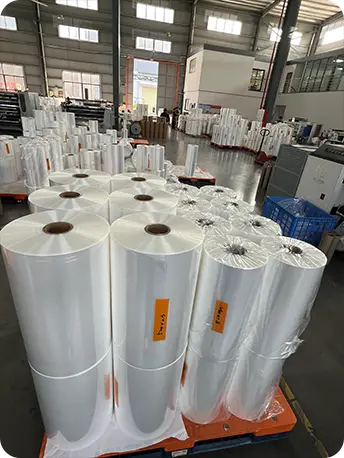
Our professional R&D, production, and sales teams implement a strict, modern quality control system to ensure every shipment meets industrial tolerances. Backed by large-scale production facilities, we deliver high-quality, eco-friendly heat shrink films, protective films, and labeling solutions.
In a competitive global marketplace, Tianchen stands out as a reliable partner. From specialized food-grade films to heavy-duty industrial stretch wrap, we focus on helping businesses improve efficiency, minimize waste, and secure their logistics networks.
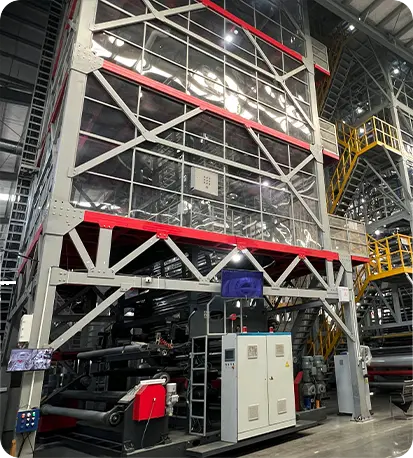
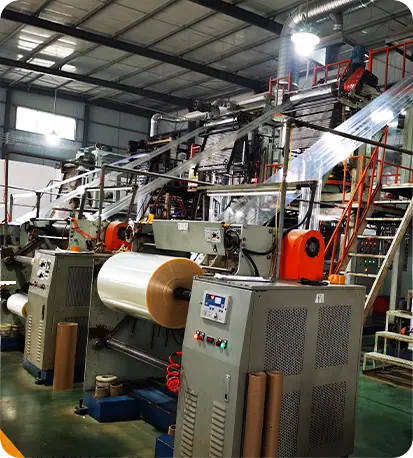
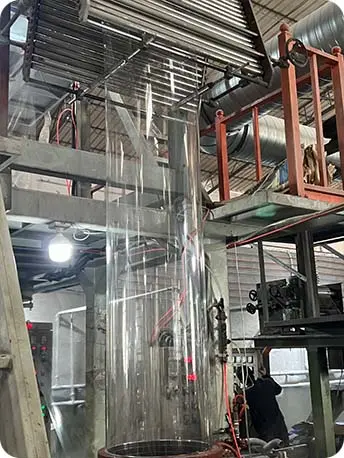
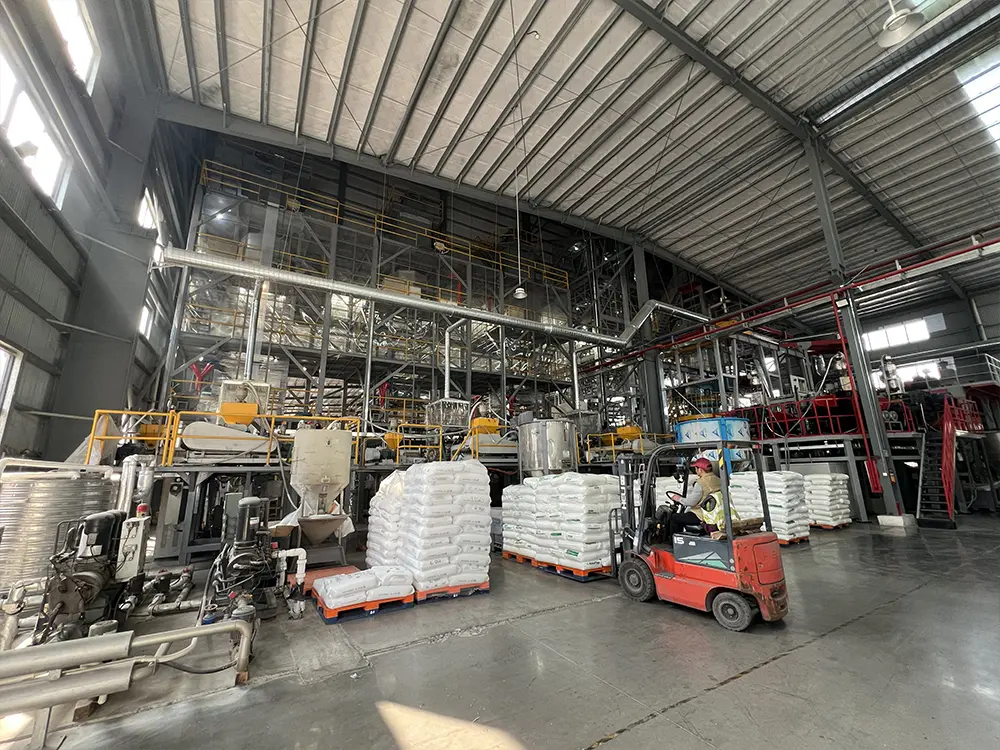
Custom film specifications designed to meet the technical demands of different sectors.
Heavy castings and machined subassemblies feature sharp edges and high weights. For these, we supply thick, multi-layer co-extruded films (23 to 30 microns) with high puncture resistance. These films prevent tearing and preserve mechanical containment during ocean shipping.
Beverage logistics involves heavy loads prone to internal shifts. High-retention force films with up to 300% pre-stretch ratios keep bottle packs secure. We also provide FDA-compliant, direct-contact shrink wrap for primary food packaging.
Static discharge can destroy micro-components. Our anti-static surface protective films dissipate static charges, keeping sensitive devices safe. Additionally, our cleanroom-produced PE protective films leave no residue behind after removal.
Industrial products stored outdoors must withstand UV degradation, wind, rain, and dust. Our films feature high-performance UV inhibitors (UVI) to protect pallets from sunlight degradation for up to 12 months in harsh conditions.
Navigating environmental regulations through downgauging, PCR integration, and circular design.
The packaging sector is undergoing a major shift toward environmental sustainability. Regulatory pressures, like the EU Packaging and Packaging Waste Regulation (PPWR) and global corporate ESG goals, require a transition to circular plastic economies.
The technical challenge of using PCR in stretch film lies in maintaining high elongation without tearing. By utilizing multi-layer co-extrusion technology, we place PCR resin in the inner layers and virgin polymers on the outer skins. This design maintains excellent stretch parameters while incorporating up to 30% recycled content.
The most effective way to reduce plastic use is downgauging—making the film thinner while preserving its strength. By utilizing 55-layer nano-extrusion equipment, we produce ultra-thin films (such as 10-12 microns) that deliver the same holding force and puncture resistance as standard 20-micron films.
We are actively exploring bio-based polyethylene derived from renewable resources like sugarcane. These materials match the mechanical performance of fossil-based PE, offering a drop-in solution to reduce carbon footprints without requiring new wrapping machinery.
Ensuring structural reliability through laboratory testing and regulatory alignment.
At Zhongshan Tianchen, our production processes follow a strict quality management system certified to international standards. Each batch of film undergoes comprehensive laboratory testing before dispatch to guarantee reliability on the field:
Common questions regarding film selection, performance metrics, and cost optimization.
Cast film is produced on chilled rolls, resulting in quiet unwind, excellent clarity, and high stretch performance. Blown film is cooled slowly with ambient air, yielding bi-directional molecule orientation that provides higher tear resistance and holding force. Cast is typically preferred for barcode readability, while Blown is chosen for heavy, sharp, or irregular loads.
The pre-stretch ratio describes how much a film can be elongated before application. A 250% pre-stretch ratio means 1 meter of raw film yields 3.5 meters of wrapping material. Higher pre-stretch capabilities allow you to use less material per pallet, lowering shipping weight, plastic consumption, and packaging costs.
Historically, recycled films suffered from lower stretch performance and occasional tears. Today, multi-layer co-extrusion technology embeds the PCR material between outer layers of premium virgin resin. This design ensures that PCR stretch films containing up to 30% recycled content deliver similar load containment and run rates.
Lightweight, uniform cartons are typically wrapped with 12 to 17-micron films. Standard industrial loads prefer 17 to 20-micron films. For heavy machinery, bricks, or sharp sheet metals, we recommend heavy-duty films ranging from 23 to 30 microns to ensure secure containment and prevent puncture failures.
We follow strict ISO 9001:2015 guidelines. Every batch of raw resin is inspected before processing. During extrusion, inline gauges monitor thickness profile variances. Finally, finished rolls undergo lab testing for dart impact resistance, tensile strength, and cling parameters before dispatch.
Explore our extensive range of packaging films, custom heat shrink wraps, and high-barrier solutions.
 Tianchen Materials