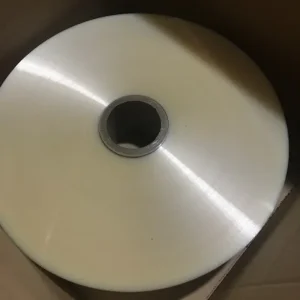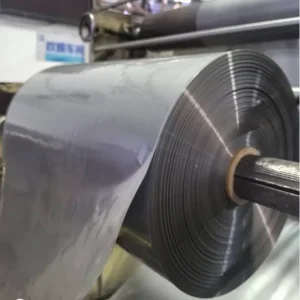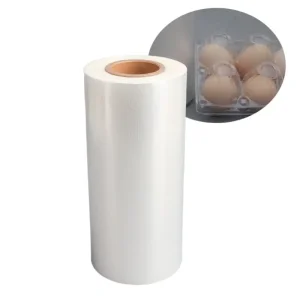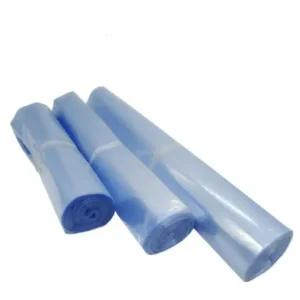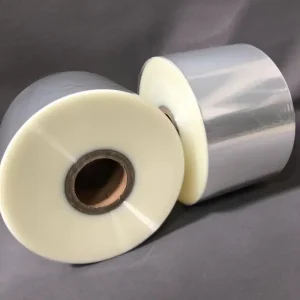
High-Quality Cpp Film Uses Factories & Service

Precision Polymer Engineering, Global Distribution Integrity, and Tailored Lamination Solutions for High-Performance Industrial Packaging

White Paper: Deep Insight Into CPP Film Technology & Global Markets

Analyzing physical attributes, industrial lamination systems, cross-market demand, and supply chain efficiencies.

1. CPP Film Material Science

Cast Polypropylene (CPP) film represents a cornerstone of modern flexible packaging. Unlike biaxially oriented polypropylene (BOPP), which is stretched in both machine and transverse directions, CPP is produced via a non-oriented cast process. This manufacturing sequence yields exceptional sealing properties, high heat resistance, excellent puncture resistance, and superb optics.

Modern packaging requirements leverage multi-layer co-extrusion technology. By layering homopolymers and random copolymers, manufacturers design films with low-temperature sealing properties (Seal Initiation Temperature as low as 95°C to 105°C) alongside a highly rigid core layer. This structural engineering makes CPP film an irreplaceable inner sealing layer for complex laminations.

2. Global Commercial Landscape

The global packaging market is seeing a rapid shift toward flexible mono-material solutions to satisfy circular economy mandates, particularly in North America and Europe. Under regulations like the European Union's Packaging and Packaging Waste Regulation (PPWR), packaging structures are migrating from non-recyclable multi-material structures (such as PET/PE) to fully recyclable PP-based structures (BOPP/CPP laminates).

As a result, global demand for high-barrier CPP films has surged. Sectors such as pet food, ready-to-eat meals, electronics shielding, and medical sterilization pouches are leading this volume expansion, demanding films with precise surface treatment levels, low haze, and uniform thickness profiles.

3. Chinese Factory Efficiencies

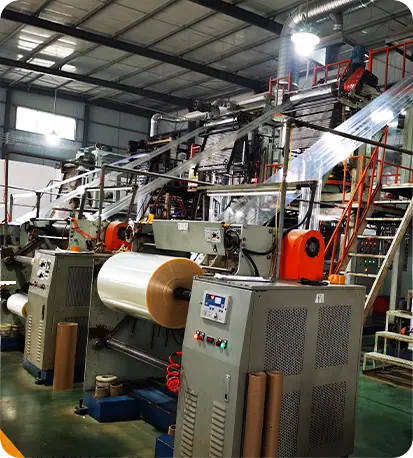
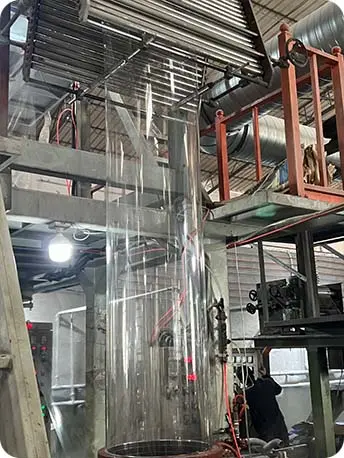
Chinese manufacturing centers combine massive scale with next-generation extrusion machinery (such as Reifenhäuser or W&H systems). Key efficiencies include:

  • Integrated Supply Chain: Production lines operate in close proximity to major petrochemical refineries, guaranteeing raw material consistency and lower baseline polymer costs.
  • Dynamic Customization: Advanced multi-die co-extrusion technology enables rapid transitions between film grades (anti-fog, retort, high-barrier, metallized).
  • Optimized Lead Times: Large output capacity enables fast fulfillment for global maritime and overland shipping containers.
Film Class Typical Gauge (µm) Heat Seal Strength (N/15mm) Haze (%) S.I.T. (°C) Primary Application Fields
General CPP (GCPP) 20 – 60 ≥ 12 ≤ 3.0 115 – 125 Textile bags, bakery products, general overwrap, lamination outer layer
Metalized CPP (MCPP) 18 – 40 ≥ 10 N/A (Opaque) 110 – 120 Potato chip bags, biscuits packaging, high-barrier light shielding
Retort CPP (RCPP) 50 – 100 ≥ 25 ≤ 6.0 130 – 140 Retort sterilization food pouches (up to 121°C/135°C), pet food packaging
Low SIT CPP 25 – 50 ≥ 15 ≤ 2.5 95 – 105 High-speed Horizontal/Vertical Form Fill Seal (HFFS/VFFS) machinery

Localized & Industrial Application Scenarios

In practical deployment, the selection of the correct CPP film grade depends heavily on the destination environment and end-use application parameters.

Retort & Sterilization Bags: For packaging ready-to-eat meals and medical tools, the CPP film must undergo sterilization processes under temperatures exceeding 121°C. High-performance RCPP grade films prevent delamination and seal failure under pressurized cooking conditions.

High-Speed VFFS Packaging: In vertical packaging machines (e.g., snacks, confectionery), packaging line speeds demand instant seal formation. Low SIT (Seal Initiation Temperature) films allow high sealing speeds without compromising packaging integrity.

Anti-Fog Lamination for Fresh Produce: Incorporating specialized surfactants into the film matrix prevents droplet formation on the inside of vegetable bags, maintaining high transparency and visual appeal on supermarket shelves.
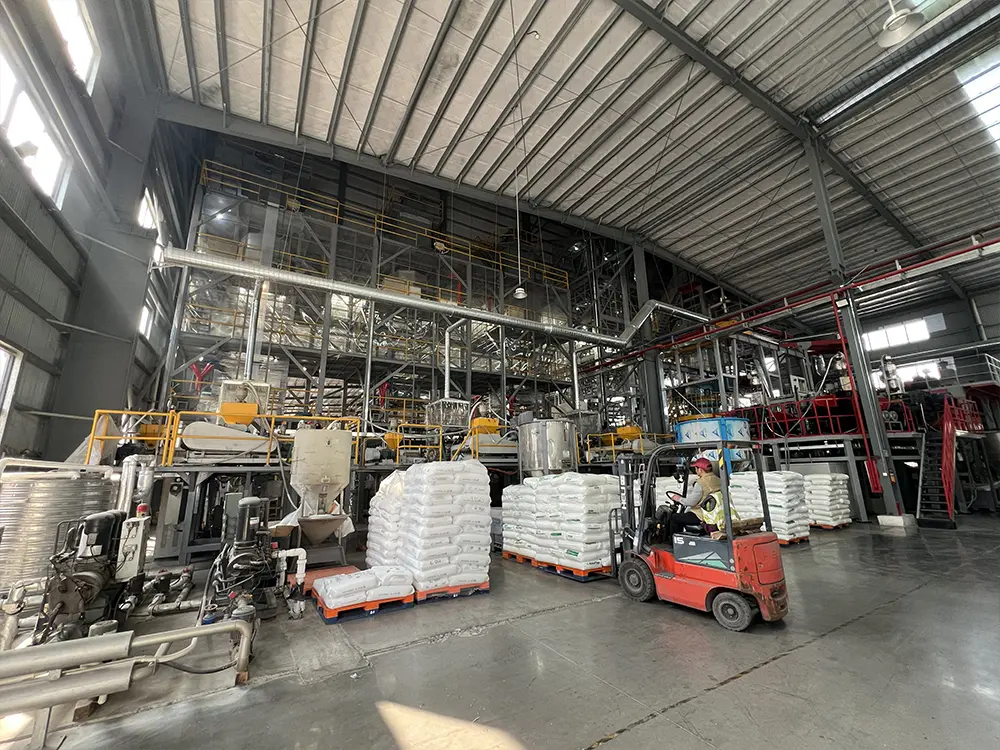
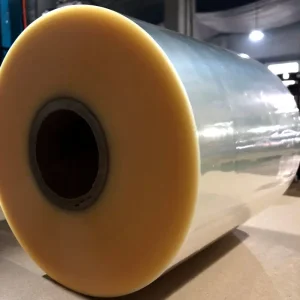
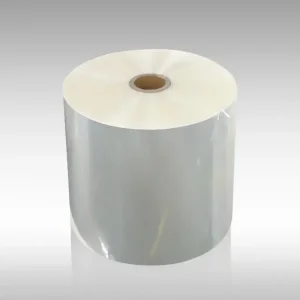
CPP Film Production Line Image 1 CPP Film Production Line Image 2
20+ Yrs
Industry Experience
100%
Recyclable PP Solutions
≤ 95°C
Low SIT Threshold
99.8%
Batch Quality Rating

ABOUT US

Zhongshan Tianchen New Materials Co., Ltd. – Your One-Stop Packaging Material Procurement Platform.

Zhongshan Tianchen New Materials Co., Ltd. is a comprehensive packaging material procurement platform built on over 20 years of experience in the film packaging industry. Established on a foundation of extensive industry expertise, Tianchen is driven by a commitment to resource integration and addressing customer needs, ensuring that it offers the finest solutions for diverse packaging requirements.

As the global packaging industry adopts eco-friendly targets and fast production turnarounds, our team bridges the gap between raw polymer engineering and localized packaging processes. We deliver custom film properties (thickness, corona treatment, anti-slip agents, and seal initiation thresholds) directly from Chinese production centers to global manufacturing hubs.

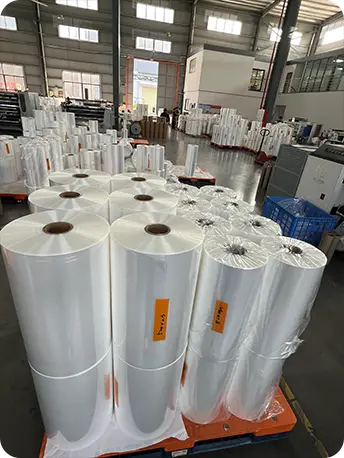
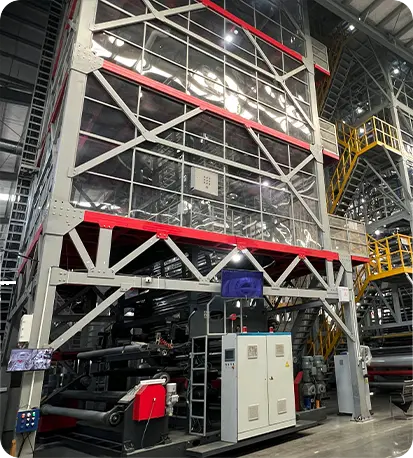
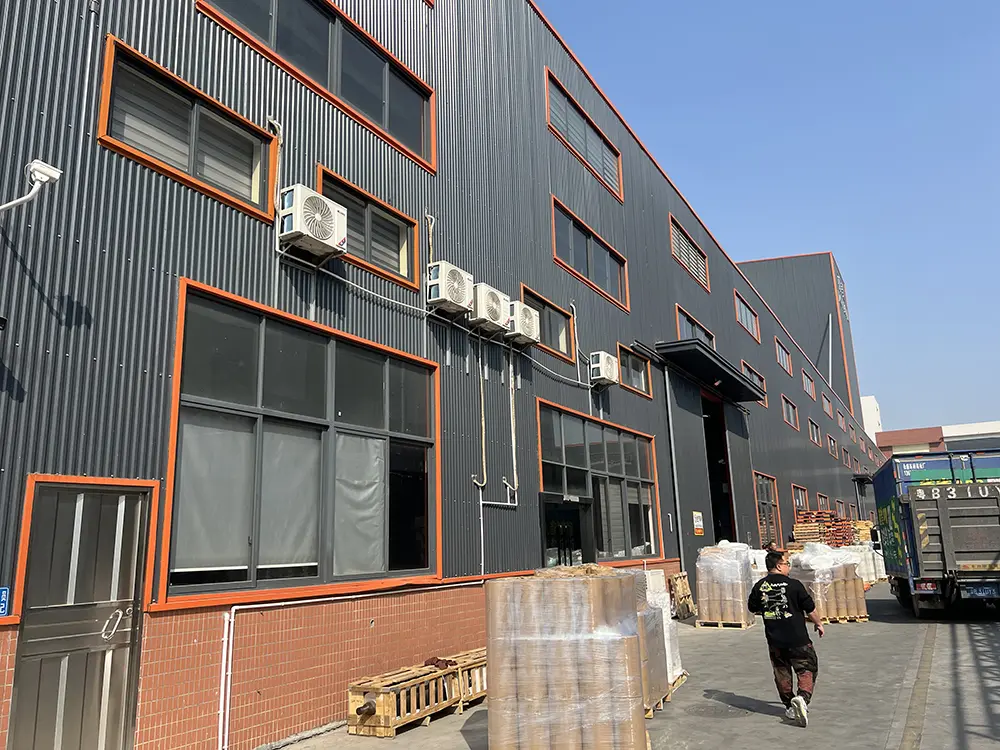
Tianchen Factory Operations Inner 1 Tianchen Factory Operations Inner 2

Professional Team

At Tianchen, we have professional production, research & development, and sales teams, so quality control is taken very seriously. The modern quality control system implemented within the company ensures that all products meet the customer’s standards.

This commitment to quality, combined with large-scale production capabilities, has garnered significant favor and trust from customers. Our experienced professionals continuously work to innovate and improve product offerings, ensuring that they always deliver the best to their clients.

One-Stop Platform

In a competitive marketplace, Zhongshan Tianchen New Materials Co., Ltd. stands out as a reliable partner for all your packaging material needs. As a one-stop packaging material procurement platform, Tianchen combines decades of industry expertise with a passion for quality and customer satisfaction.

Whether you need eco-friendly heat shrink films or durable labeling solutions, Tianchen is here to provide the best in the industry, integrating raw material quality check, custom slitting, corona treatment monitoring, and international freight coordination.

One Stop Sourcing Logo Asset Sourcing Platform Warehouse Picture

Global Procurement Demands & Industry Trends

Key requirements for raw material procurement managers and developments shaping the polymer film industry.

COF and Runnability

The Coefficient of Friction (COF) must be carefully controlled (typically between 0.20 and 0.35) to ensure consistent tracking on conversion lines. Improper COF values can lead to jam-ups on packaging lines or dynamic slippage during bag-making.

Mono-Material Recyclability

Brand owners are looking to design fully recyclable mono-polypropylene structures. By pairing BOPP (as the outer printing web) with CPP (as the inner sealing layer), converters create highly functional packaging structures that are recyclable in standard PP collection streams.

Extended Corona Treatment Life

For laminated products, the corona treatment level must remain above 38 dynes/cm during shipping and warehouse storage. Advanced additive packaging prevents premature surface energy loss, ensuring reliable adhesive bond strength.

Technical Q&A / Frequently Asked Questions

Deep engineering answers to help buyers evaluate Cast Polypropylene (CPP) films.

Q1: What parameters make CPP film different from BOPP film?

While both materials share a polypropylene base, the distinction lies in their processing methods. CPP is a cast, non-oriented film, which results in high stretch capacity, high heat-seal strength, superior tear resistance, and excellent performance as an inner sealing layer. BOPP is biaxially oriented (stretched in two directions), which yields higher tensile strength, rigidity, and optical clarity, but poor heat sealability. Consequently, BOPP is typically utilized as the outer printing web, whereas CPP forms the heat-sealable core of laminated structures.

Q2: How does Retort-grade CPP (RCPP) perform at elevated sterilization temperatures?

Retort CPP utilizes specialized polypropylene block copolymer resins instead of typical random copolymers. These resins feature a higher melting point, allowing the film to withstand autoclave sterilization processes (121°C to 135°C for 30 to 45 minutes) without compromising seal integrity, shrinking, or delaminating from the secondary barrier layers (such as PET, Nylon, or Al Foil).

Q3: What causes corona treatment levels to decay on CPP film, and how is it managed?

Corona treatment decays due to the migration of additive molecules, such as slip agents (erucamide/oleamide) and anti-static agents, to the surface of the film. Over time, these additives form a layer that masks the polar functional groups generated by the corona discharge. Chinese factories counter this by tailoring additive formulations for specific export transit times, ensuring that surface energy levels remain above 38 dynes/cm upon arrival at the customer's facilities.

Q4: How does Zhongshan Tianchen New Materials Co., Ltd. ensure gauge uniformity?

Our manufacturing partners utilize automatic profile control systems integrated with APC dies and thickness scanner sensors. If any deviation is identified, the system adjusts temperature bolts on the extrusion die lips to regulate polymer output, keeping gauge variation within a tight ±3% range across the roll width.

Q5: Is CPP film FDA compliant for direct food packaging?

Yes, virgin polypropylene resins used in our manufacturing processes comply with FDA Title 21 CFR 177.1520 regulations and EU Commission Regulation No 10/2011 concerning plastic materials intended to come into contact with food. Each production batch undergoes testing to confirm migration limits fall well within safe thresholds.