Engineered for extreme clarity, robust tensile strength, and seamless compatibility with high-speed automated packaging lines.
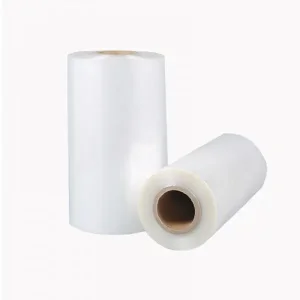
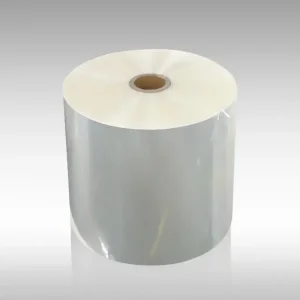
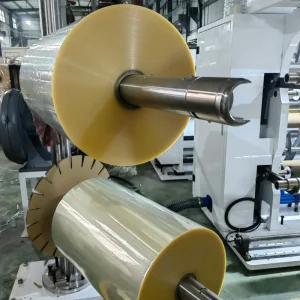
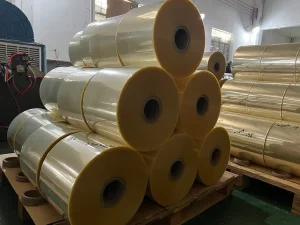
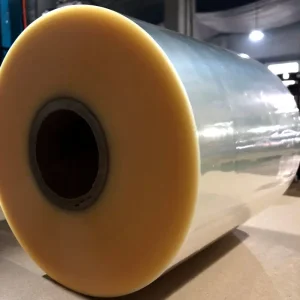
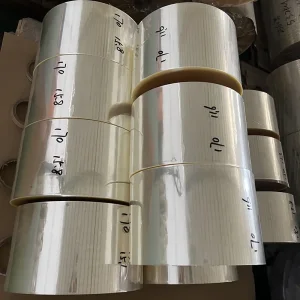
In modern global manufacturing and distribution, structural integrity and optical presentation are critical for product logistics. Polyolefin (POF) shrink film has transition from a simple protective layer to a highly engineered multi-layer polymer compound. By deploying multi-layer co-extrusion technology, companies optimize properties like high puncture resistance, barrier capability, and uniform shrink ratios.
B2B procurement professionals look beyond basic thickness specifications. Today's evaluations prioritize tensile profile integrity, low-temperature shrink limits, cross-linked molecular density, and high-speed running performance on automatic machinery (such as side sealers and high-speed flow wrappers). Global regulatory changes like FDA compliance for food contact and REACH regulations for chemical safety shape polymer formulations, forcing manufacturers to innovate.
Your Strategic Partner & One-Stop Packaging Material Procurement Platform
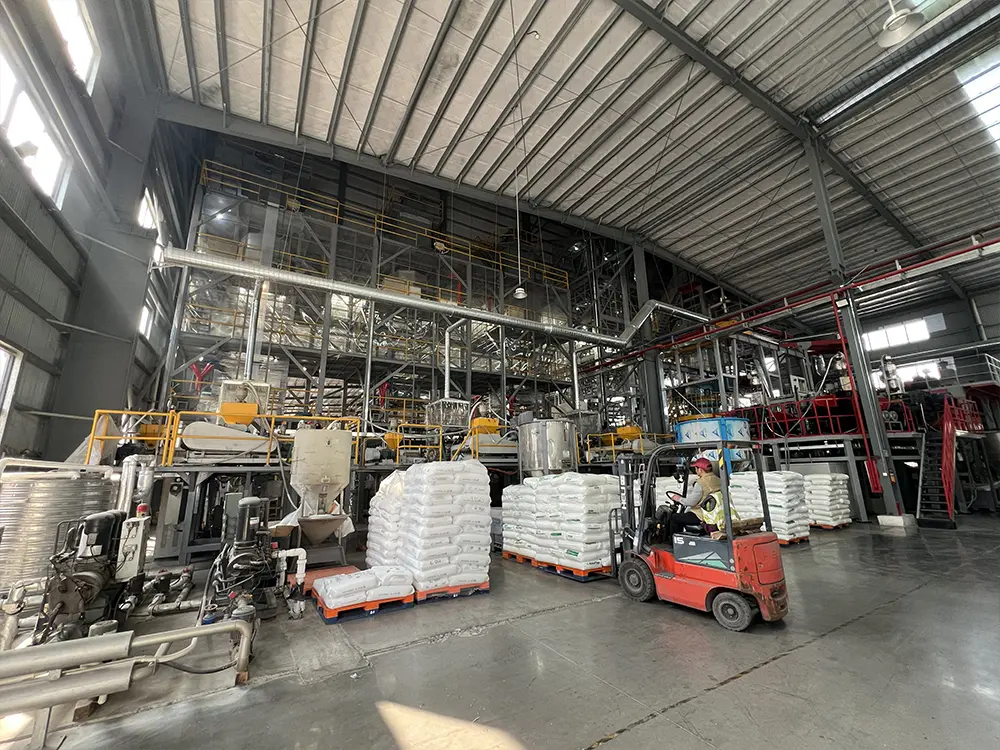
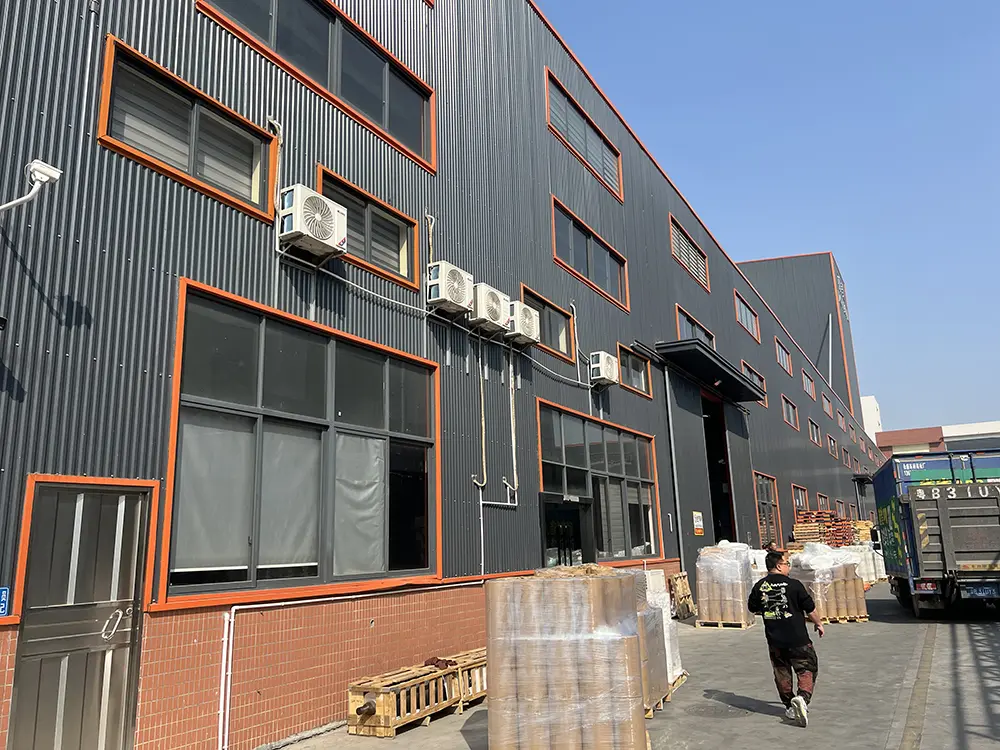
Zhongshan Tianchen New Materials Co., Ltd. operates as a comprehensive, one-stop packaging material procurement platform built on over 20 years of experience in the film packaging industry. We address complex international logistics and diverse buyer requirements by integrating research, development, scale manufacturing, and global supply chains.
Our business model focuses on quality control and supply chain visibility. Tianchen ensures consistent polymer formulations, strict thickness tolerances, and predictable seal strengths for applications ranging from lightweight food wraps to heavy automotive components.
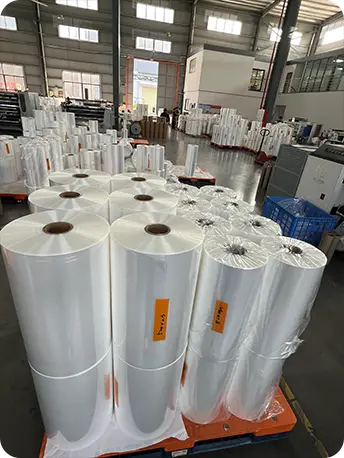
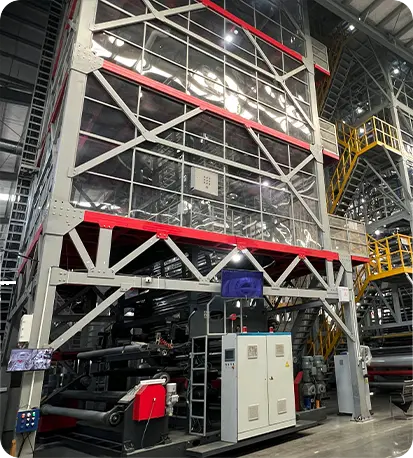
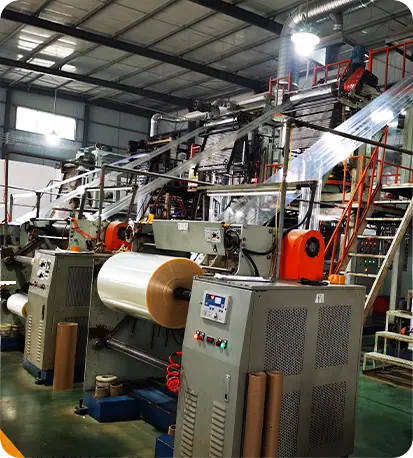
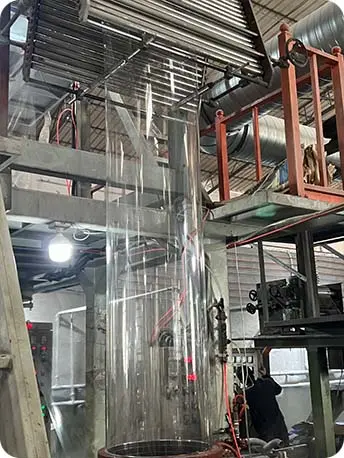
At Tianchen, our production, R&D, and sales teams prioritize strict quality control. The modern quality control systems implemented across our manufacturing partners guarantee that every roll of POF, PVC, PE, or CPP/OPP film meets the client's specifications.
Our capacity supports large-scale industrial orders while maintaining tight control over thickness uniformity, haze percentages, and coefficient of friction (COF). We continuously iterate on polymer blends, introducing low-temperature shrink films and high-barrier structures to meet changing market demands.
From eco-friendly heat shrink films to custom-printed labeling materials, Tianchen serves as a reliable supplier for global logistics networks, automated packaging plants, and distribution centers.
Understanding the engineering differences between POF, PE, CPP/OPP, and PVC shrink technologies.
POF features a multi-layer co-extruded structure, blending LLDPE and PP. This combination yields high tear resistance, high clarity (haze <3%), and excellent shrinkage (up to 60-70% in all directions). Cross-linked POF provides high tensile strength and puncture resistance for complex shapes and bundle packs.
PE films are thicker (typically 30 to 150 microns) and used for transit and heavy multi-packs. LDPE, LLDPE, and HDPE configurations deliver high puncture resistance and seal strength, making them ideal for beverage trays, heavy machinery parts, and palletization.
Cast Polypropylene (CPP) and Oriented Polypropylene (OPP) deliver high rigidity, high barrier properties, and heat sealability. These films are commonly used in flow-wrap systems for food items, electronics, and medical devices where high gas/moisture barrier profiles are required.
| Performance Matrix | POF (Standard) | POF (Cross-Linked) | PE (Heavy Duty) | PVC (Rigid/Semi) |
|---|---|---|---|---|
| Shrink Ratio Range | 60% - 70% | 70% - 80% | 20% - 40% | 40% - 50% |
| Puncture Resistance | Moderate-High | Extreme | High | Moderate |
| Haze Value (%) | < 3.5% | < 2.0% | 10% - 15% | < 3.0% |
| Sealing Temperature | 130°C - 160°C | 140°C - 180°C | 150°C - 190°C | 110°C - 130°C |
Tailored polymer structures designed to optimize yield and reduce failures across major industrial sectors.
Heavy machinery, metal stampings, and delicate automotive parts require high clarity and strong protection. Standard or cross-linked POF films prevent puncture damage from sharp corners while protecting parts from moisture during storage and transit.
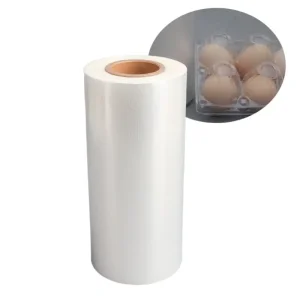
View Automotive POF Solutions →Egg trays and fresh food packaging demand perforated and high-breathability shrink films. Perforations allow hot air to escape during heat-sealing, preventing condensation inside the package to extend shelf life.
View Food-Grade POF Solutions →Wine closures and cylindrical consumer goods require high-ratio radial shrinkage. Standard and modified PVC/PETG shrink caps provide tamper evidence and premium branding aesthetics.
View Tamper-Evident Solutions →Environmental regulations are changing standard industrial workflows. Global enterprises want packaging partners who can reduce their plastic footprint without sacrificing performance. Key goals in this transition include down-gauging (achieving equal tensile strength with thinner film layers) and using bio-based or recycled polymer inputs.
For example, transitioning from 19-micron standard POF to 15-micron cross-linked film reduces total plastic consumption by weight by over 20%. This down-gauging lowers per-unit transport emissions, carbon tax exposure, and waste disposal costs.
Tianchen works with ISO 9001:2015 certified production partners. Quality assurance protocols track polymer viscosity, temperature ranges during co-extrusion, cross-linking irradiation levels, and final roll wind tension.
Answers to common technical, logistics, and material performance questions from procurement departments.
Browse our complete range of high-barrier heat sealable, protective shrink, and tamper-evident solutions.
 Tianchen Materials