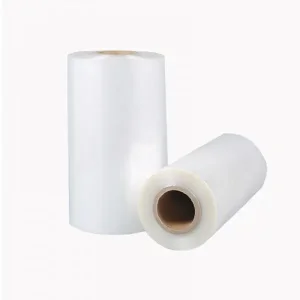
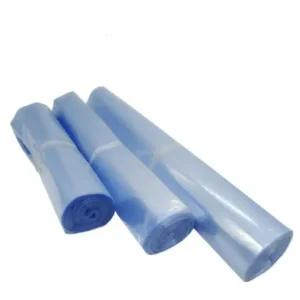
High-clarity, high-strength industrial shrink films and custom closures engineered for automated vertical & horizontal packaging systems.
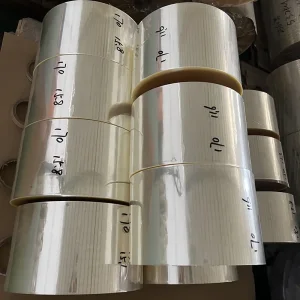
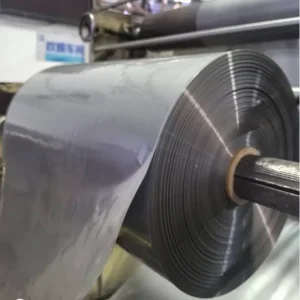
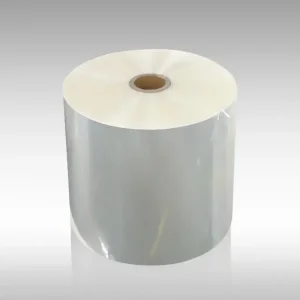
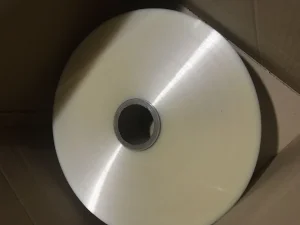
Oriented Polypropylene (OPP) has solidified its role as a cornerstone of high-performance packaging. Through controlled mechanical stretching in both machine (MD) and transverse (TD) directions, the molecular structure of the polypropylene polymer aligns. This orientation process significantly increases the material's tensile strength, optical clarity, and moisture barrier properties.
For procurement directors and packaging engineers, selecting the right OPP formulation is critical. Standard OPP, Biaxially Oriented Polypropylene (BOPP), and Cast Polypropylene (CPP) each offer distinct benefits. BOPP provides exceptional stiffness and low haze (under 1.5%), which is ideal for printing and outer wraps. Meanwhile, CPP delivers high puncture resistance and strong heat-seal performance, making it a preferred sealant layer in multi-layer laminations.
By leveraging co-extrusion technologies, manufacturers can combine the strengths of these different materials into single, high-performance webs. These advanced films are engineered to meet the demands of modern packaging lines, reducing seal-failure rates and maximizing shelf life.
How leading enterprises navigate polymer feedstocks, supply chain risks, and environmental regulations.
To reduce carbon footprints and cut packaging taxes, companies are transitioning from 25µm to high-tensile 15µm and 18µm film structures. This maintains barrier performance while reducing raw plastic usage.
Traditional multi-material films (e.g., PET/PE structures) face complex recycling regulations. Pure polypropylene laminates (BOPP/CPP) offer a fully recyclable, mono-material solution that aligns with global circular economy goals.
Global supply chains must balance raw material cost volatility with predictable lead times. Partnering with suppliers that have integrated extrusion capabilities helps stabilize pricing and ensures consistent material supply.
Tailored polymer structures developed for demanding processing environments and retail applications.
Oxygen and moisture ingress are primary causes of premature food spoilage. For high-sensitivity applications, custom co-extruded OPP barrier films feature specialized gas barriers. These systems prevent lipid oxidation in snacks and maintain flavor profiles in bakery products, extending shelf life without requiring chemical preservatives.
Additionally, surface-treated OPP skins optimize ink adhesion for high-definition flexographic and rotogravure printing. This ensures brand designs remain vivid even after handling and distribution.
Products like mosquito coils require packaging materials with strong chemical containment properties. Our specialized films prevent active ingredients from volatilizing or breaking down while stored. This keeps the product potent over long storage periods and prevents chemical odors from migrating to adjacent items during shipping.
Heavy, sharp, or irregularly shaped products demand high mechanical strength. Custom-engineered POF and PE shrink films offer high tear and puncture resistance. These films provide excellent load stability during transport, protecting products from environmental moisture, dust, and handling damage.
By optimizing the formulation of these polymers, we can adjust shrink ratios to match specific wrapping systems. This helps reduce energy consumption in shrink-wrap tunnels and prevents distortion in heat-sensitive items.
Standard parameters for custom oriented polypropylene and co-extruded packaging materials.
| Film Formulation Type | Thickness Range (µm) | Tensile Strength MD/TD (MPa) | Water Vapor Transmission Rate (g/m²/24h) | Haze Value (%) | Main Packaging Applications |
|---|---|---|---|---|---|
| Biaxially Oriented PP (BOPP) | 12 – 40 | 130 / 260 | 4.5 – 5.5 | < 1.5% | Retail overwrapping, print laminates, snack bag exteriors |
| Cast Polypropylene (CPP) | 20 – 80 | 45 / 40 | 10.0 – 12.0 | < 3.0% | Inner sealant layer, hot-fill bags, bakery wraps |
| Co-Extruded High Barrier OPP | 15 – 35 | 120 / 240 | < 1.0 (Metallized) | Opaque / Custom | Coffee, high-fat foods, high-shelf-life products |
| Polyolefin Shrink Film (POF) | 12 – 25 | 90 / 90 | 15.0 – 22.0 | < 2.0% | Multi-pack promotions, gift boxes, retail cosmetics |
| Polyvinyl Chloride (PVC) Shrink | 20 – 70 | 60 / 55 | > 25.0 | < 2.5% | Wine bottle capsules, tamper-evident seals, battery wraps |
The future of film extrusion: How next-generation materials balance performance with environmental goals.
Transitioning primary film portfolios to ultra-thin structures (12µm and below) while maintaining barrier properties. Scaling up the use of bio-based resins derived from renewable organic waste streams to reduce dependence on fossil feedstocks.
Replacing complex multi-layer polymer structures (e.g., PET-PE-Alu composites) with fully recyclable, mono-material PE and PP laminates. Incorporating thin, high-barrier coatings to match the oxygen barrier performance of aluminum foils.
Commercializing intelligent films with integrated colorimetric indicators that detect freshness loss. Developing compostable barrier formulations that degrade in industrial composting facilities without leaving microplastic residues.
Zhongshan Tianchen New Materials Co., Ltd. – Your One-Stop Packaging Material Procurement Platform.
Zhongshan Tianchen New Materials Co., Ltd. is a comprehensive one-stop packaging material procurement platform established on the foundation of over 20 years of experience in the film packaging industry. Driven by a commitment to resource integration and addressing customer needs, Tianchen provides tailored packaging solutions for diverse customer requirements worldwide.
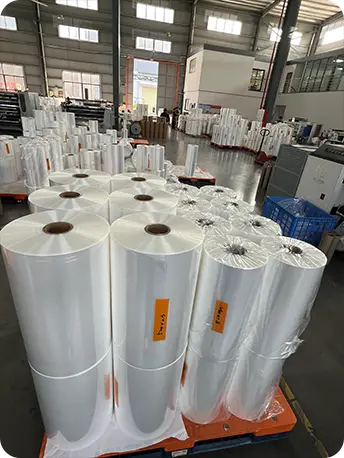
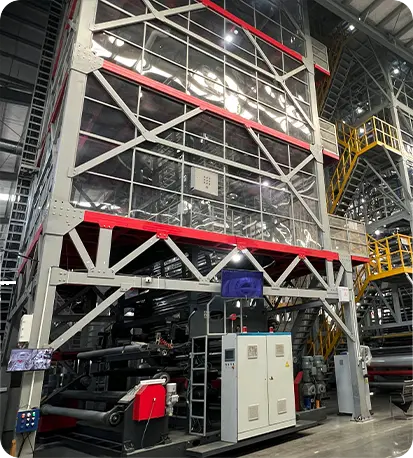
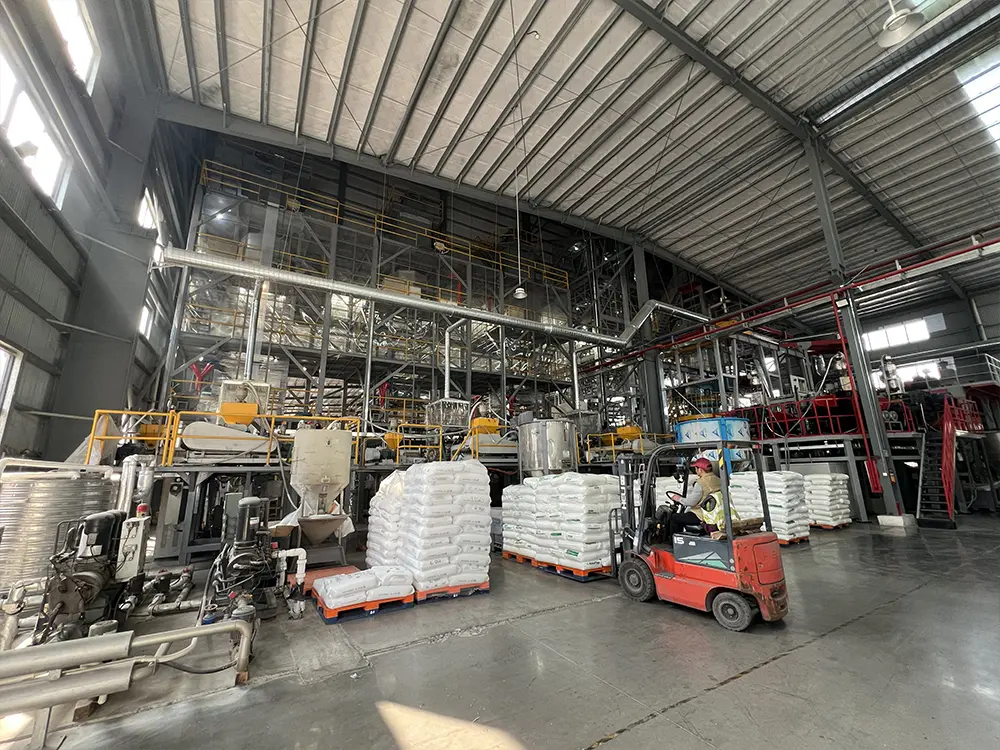
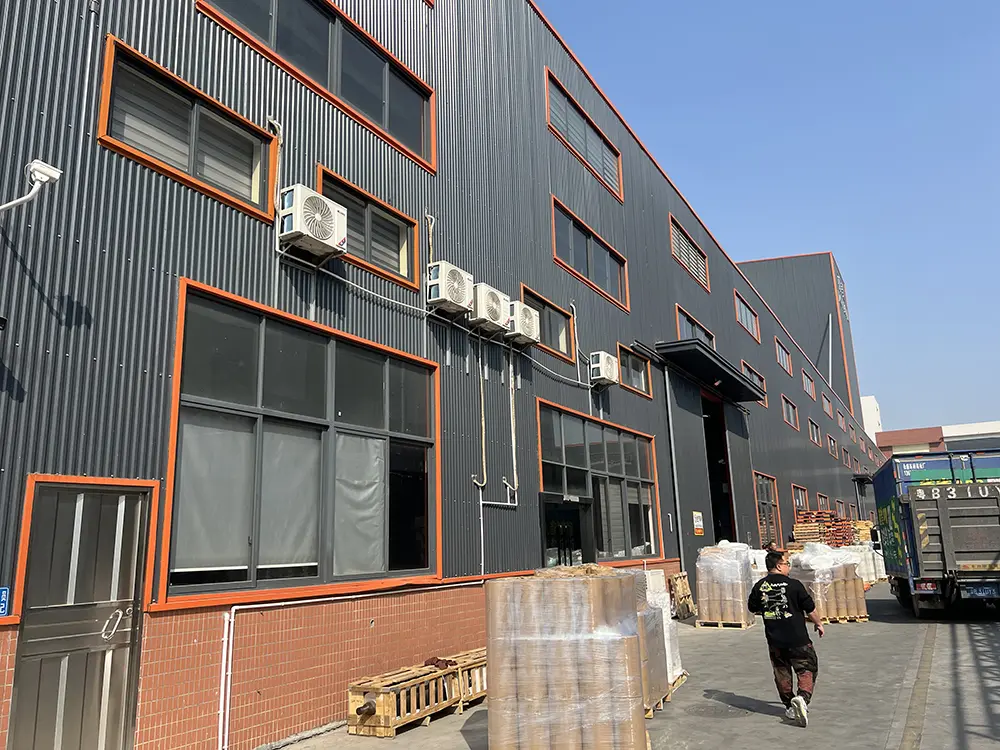
At Tianchen, we have professional production, research and development, and sales teams. Quality control is integrated into every phase of our operations. The modern quality management systems implemented within our manufacturing facilities ensure that all finished products meet our customers' specific standards. This commitment to quality, combined with large-scale production capacities, has earned the trust and partnership of clients worldwide.
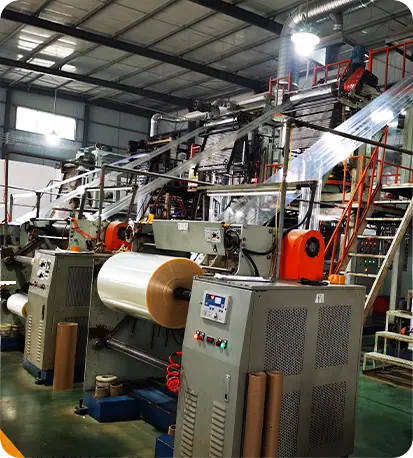
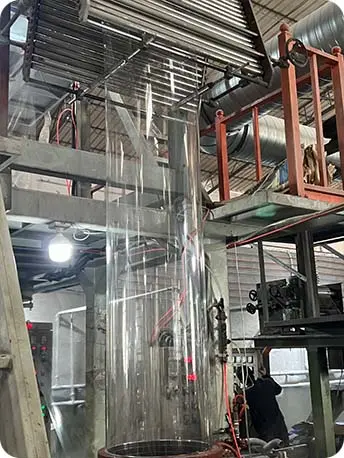
In a competitive marketplace, Zhongshan Tianchen New Materials Co., Ltd. stands out as a reliable partner for all your packaging material needs. We combine decades of polymer industry expertise with a focus on product reliability and service. Whether you require eco-friendly heat-shrink films, high-barrier laminates, or custom-printed closures, Tianchen delivers optimized solutions.
Answers to common technical, manufacturing, and shipping questions for global sourcing managers.
Explore our range of heat-shrink, moisture-barrier, and specialty packaging films.
 Tianchen Materials