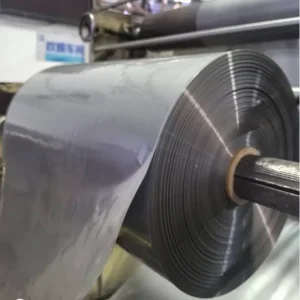
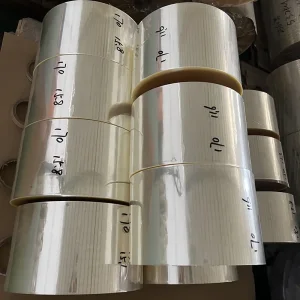
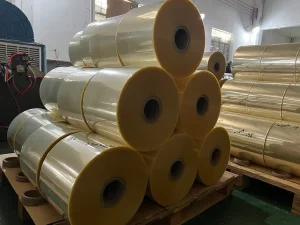
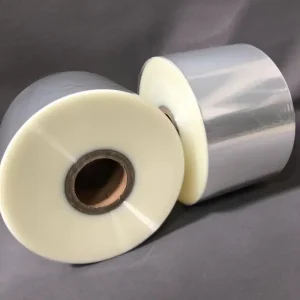
In modern industrial packaging, OPP film stands for Oriented Polypropylene film. Structurally, it is a thermoplastic polymer derived from the catalytic polymerization of propylene monomers. The critical term "Oriented" indicates that the film has undergone a stretching process that aligns its polymer chains in a specific direction. By mechanical stretching, the polymer crystals align, which increases the film's structural integrity, tensile modulus, and barrier properties.
OPP film classification typically splits into two methodologies: monoaxial orientation (MOPP) and biaxial orientation (BOPP). While MOPP is stretched in only one direction (usually the machine direction) to deliver exceptional tensile strength along that single axis—ideal for heavy-duty adhesive tapes and industrial straps—BOPP undergoes cross-directional stretching. This biaxial orientation aligns the polymeric molecules in both the longitudinal and transverse directions, giving the resulting film high clarity, puncture resistance, and reliable optical properties across the entire surface.
Before orientation, unoriented cast polypropylene (CPP) exhibits a random crystalline structure, making it highly flexible but susceptible to tearing and moisture migration. When the orientation temperature is precisely regulated close to the polymer's melting point (typically around 160°C to 165°C), the crystallization pattern changes. The mechanical pulling forces create highly packed micro-crystalline arrays. This tight spacing restricts gas molecules from diffusing through the polymer matrix, which explains the material's strong moisture vapor transmission rate (MVTR) performance.
From a functional perspective, custom OPP films can be engineered as monolayer or co-extruded structures. Modern multi-layer co-extrusion technology enables manufacturers to fuse functional layers—such as high-affinity heat-sealable terpolymers or anti-static additives—directly onto the core homopolymer polypropylene layer. This advanced chemistry produces films that combine the rigidity of oriented PP with low-temperature sealing capabilities, expanding the range of industrial applications.
The physical performance of custom-engineered OPP and shrink films is dictated by precise industrial metrics. Below is an engineering evaluation index of premium OPP co-extruded layers:
| Performance Metrics | Testing Standard (ASTM / ISO) | Standard Ranges | Target Sourcing Benefits |
|---|---|---|---|
| Density (g/cm³) | ASTM D1505 | 0.90 – 0.92 | Ultra-lightweight yield, reducing overall packaging tonnage |
| Tensile Strength - MD (MPa) | ASTM D882 | 120 – 160 | High resistance to mechanical tension during rapid wrapping |
| Haze (%) | ASTM D1003 | < 1.5% | Crystal-clear visibility to showcase premium product aesthetics |
| Water Vapor Transmission (g/m²/24hr) | ASTM E96 (38°C, 90% RH) | 4.0 – 5.5 | Excellent moisture barrier, protecting shelf-life of dry goods |
| Coefficient of Friction (COF) | ASTM D1894 | 0.30 – 0.45 | Optimum slip dynamics for high-speed automated feeding lines |
Oriented polypropylene is crucial to the global food value chain. Because of its moisture barrier, custom food-grade OPP film keeps baked goods, confectionery, and dried goods fresh. Its low thermal degradation index prevents chemical migration, maintaining product purity and compliance with food-safety standards.
In aggressive chemical environments, packaging films must resist acids, bases, and volatile compounds. OPP films offer excellent chemical resistance, preventing package degradation and structural failure in consumer products like mosquito coils and cleaning agents.
For high-speed industrial assembly and shipping lines, pressure-sensitive adhesive OPP films provide the tensile strength needed for automated carton sealing and component bundling. Consistent elongation metrics ensure reliability under high mechanical stress.
China's manufacturing sector leads the world in OPP film production capacity, combining advanced chemical engineering with highly integrated regional supply chains. As global brands look to optimize packaging costs without sacrificing quality, Chinese manufacturing hubs like Zhongshan utilize advanced industrial infrastructure to deliver high-performance, cost-effective films.
The efficiency of Chinese factories is built on advanced technical integration. By co-locating petrochemical refining, polymer formulation, extrusion, and slitting operations, manufacturers eliminate cross-regional shipping delays and heat-loss during raw material transfer. Utilizing high-speed European extrusion lines, production facilities maintain thickness tolerances within a tight +/- 1.5% margin. Continuous computerized scanning detects defects in real-time, ensuring consistent quality across massive production runs.
In addition to technological capabilities, Chinese production hubs benefit from strong logistics and component supply chains. From advanced printing inks and custom-engineered core materials to specialized anti-fog additives, every component of the OPP manufacturing ecosystem is sourced locally. This comprehensive supply chain enables rapid prototyping and short lead times, allowing factories to ship custom-slit master rolls and print runs to international ports in Shenzhen and Guangzhou within days.
Custom OPP films are engineered to meet specific regional requirements and target applications. In North America and Europe, stringent regulatory standards—such as FDA food contact clearances (Title 21 CFR) and EU Plastic Regulation 10/2011—require raw materials that are completely free from trace heavy metals and unauthorized slip additives. High-barrier films must meet these safety standards while providing the shelf-life performance required by large retail supply chains.
In tropical and humid regions, the emphasis shifts toward barrier performance. High heat and humidity can cause standard packaging films to block (stick to itself) and lose surface tension, which ruins printed graphics. To prevent this, custom OPP formulations integrate specialized heat-resistant slip agents and migration-resistant corona treatments. This ensures the film remains stable and easy to process, even in demanding warehouse conditions.
While co-extrusion integrates multiple plastic polymers (such as homopolymer PP and sealable terpolymers) in a single step, coated films apply a secondary chemical layer (like Acrylic or PVDC) to the finished film. Understanding this distinction is critical for buyers: co-extruded films offer superior cost efficiency and recyclability, whereas coated films deliver exceptional gas and aroma barriers for highly specialized applications.
The global packaging industry is undergoing a major shift toward circular economy models, driving innovation in OPP film technologies. Key trends include:
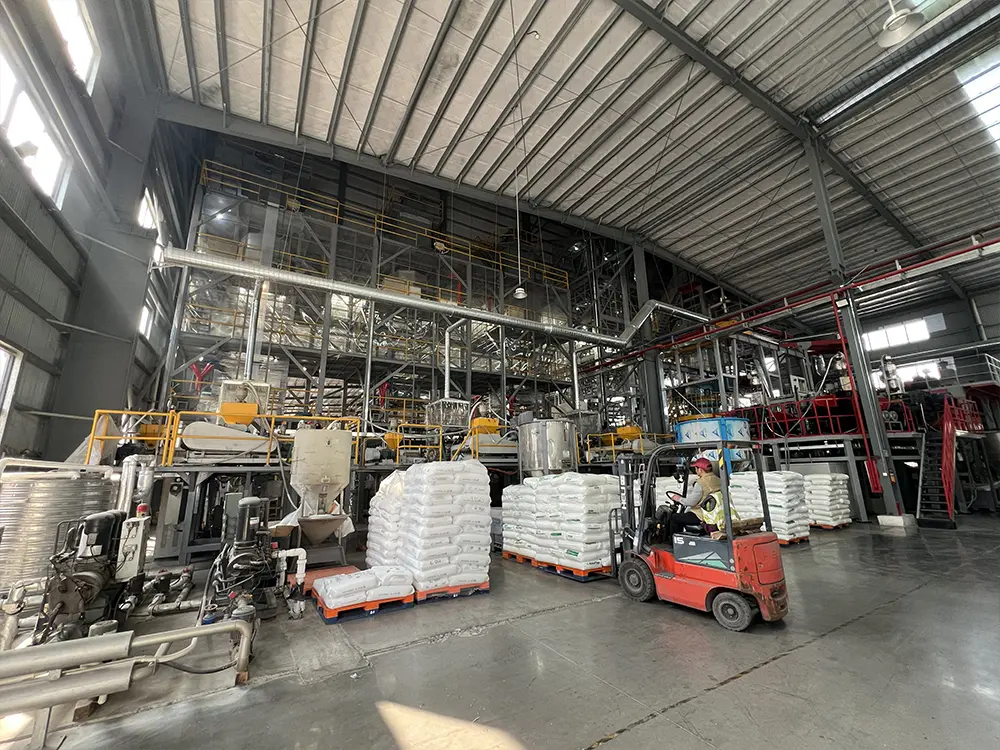
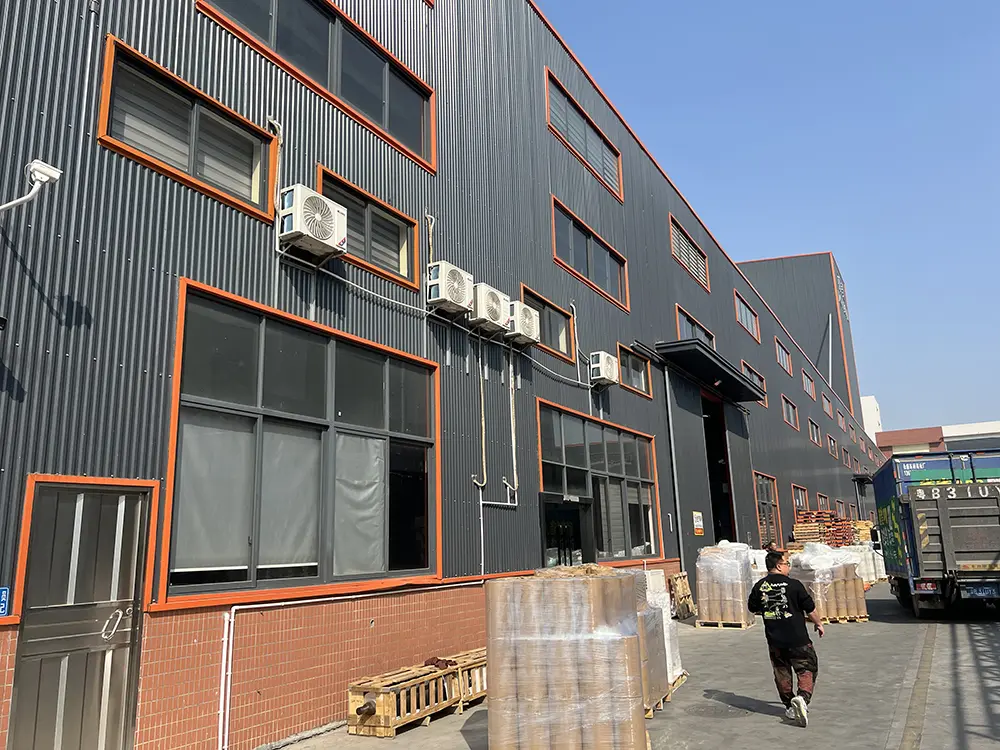
Zhongshan Tianchen New Materials Co., Ltd. is a comprehensive one-stop packaging material procurement platform established on the basis of more than 20 years of experience in the film packaging industry. Driven by a commitment to resource integration and addressing customer needs, Tianchen ensures that it offers the finest solutions for diverse packaging requirements across the globe.
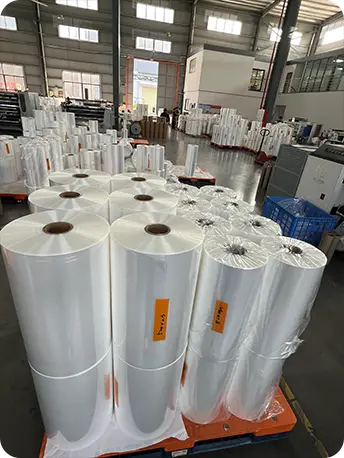
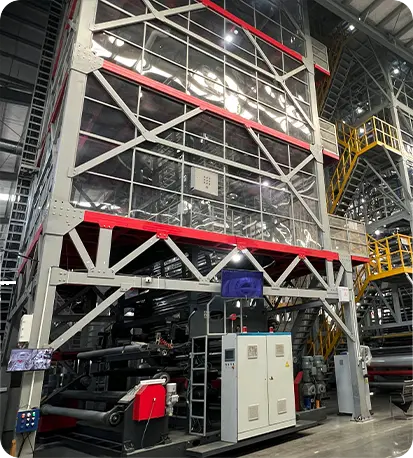
At Tianchen, we have professional production, research and development, and sales teams, with a strong focus on quality control. The modern quality control system implemented within the company ensures that all products meet the customer’s standards. This commitment to quality, combined with large-scale production capabilities, has garnered significant favor and trust from customers. The company's experienced professionals continuously work to innovate and improve product offerings, ensuring that they always deliver the best to their clients.
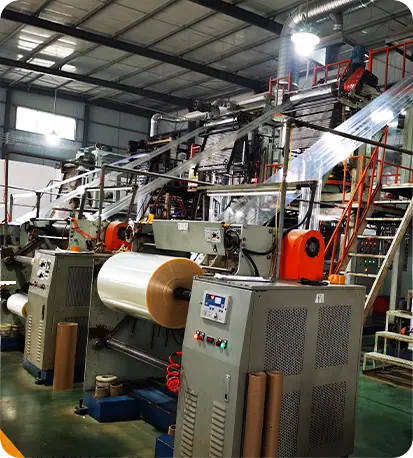
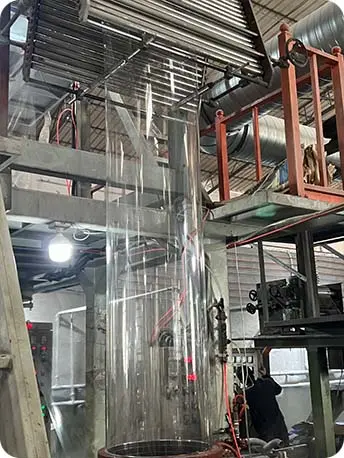
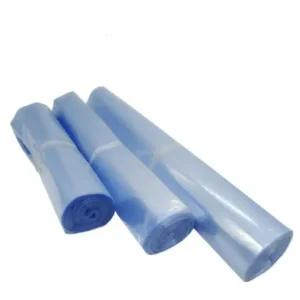
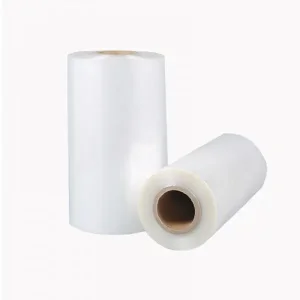
In a competitive marketplace, Zhongshan Tianchen New Materials Co., Ltd. stands out as a reliable partner for all your packaging material needs. As a one-stop packaging material procurement platform, Tianchen combines decades of industry expertise with a passion for quality and customer satisfaction. Whether you need eco-friendly heat shrink films or durable labeling solutions, Tianchen is here to provide the best in the industry.
 Tianchen Materials