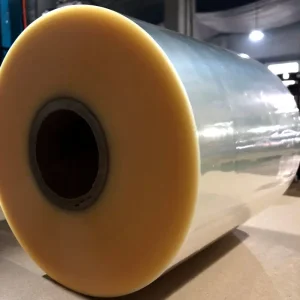
Explore our diverse catalog of high-durability, custom-printed, and industrial-grade shrink wrap films engineered for superior shelf appeal and maximum product protection.
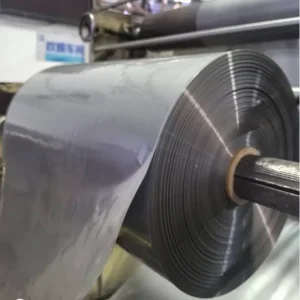
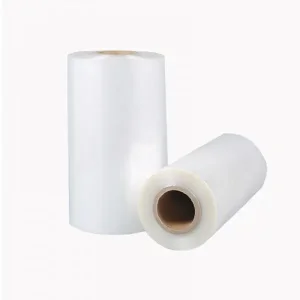
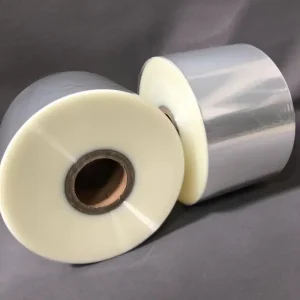
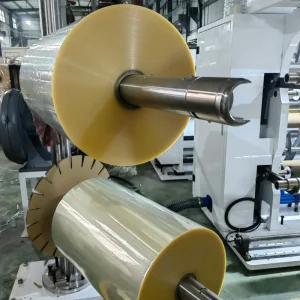
Zhongshan Tianchen New Materials Co., Ltd. is a premier, integrated procurement platform for high-performance packaging films. Anchored by more than 20 years of manufacturing and R&D experience, our company offers end-to-end consulting, design, extrusion, printing, and conversion services to global distributors and consumer brand owners.
We are driven by deep resource integration and a customer-centric philosophy, providing advanced, high-barrier, heat-shrinkable, and customizable packaging alternatives designed to meet international standards. From simple transparent shrink wraps to highly intricate, multi-layered rotogravure printed films, we provide technical materials that boost line efficiency and product presentation.
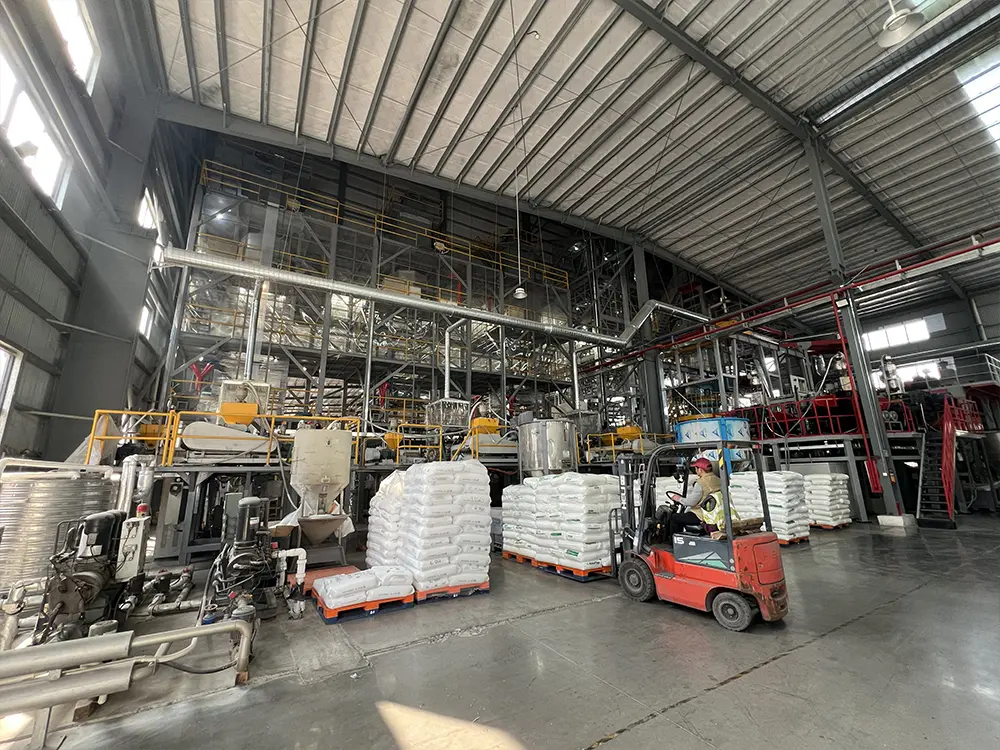
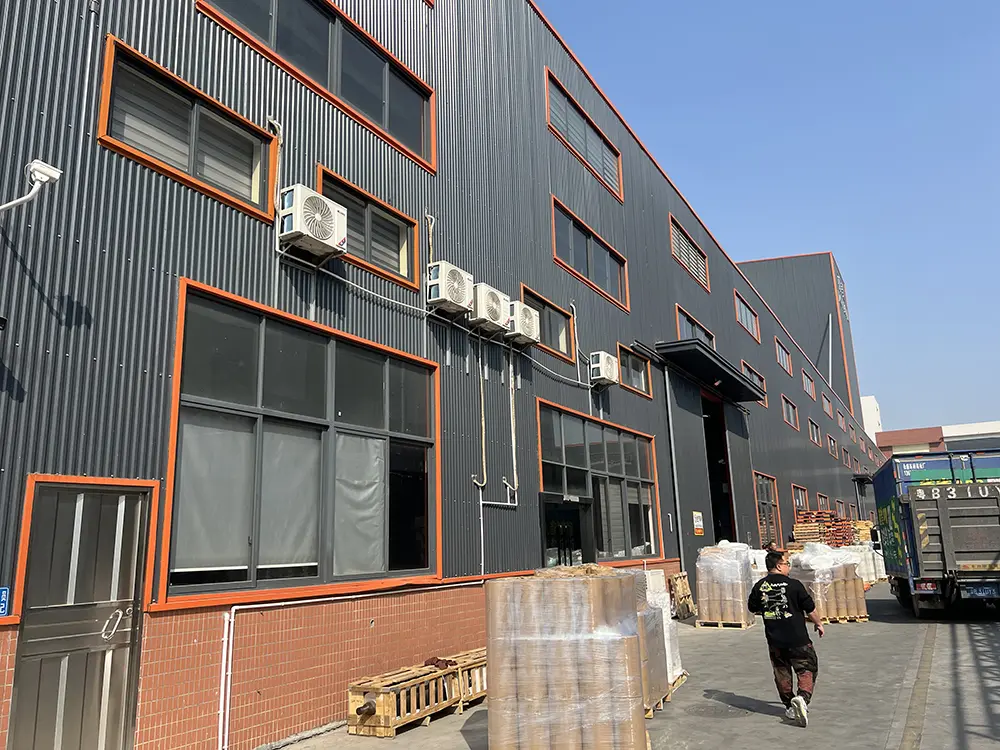
Our robust research, design, and manufacturing divisions translate customer specifications into high-performing film structures.
At Tianchen, quality control is woven into every stage of production. Our modern quality management system tracks material specs from resin batch testing to final reel winding, ensuring zero defect rates on high-speed bottling lines.
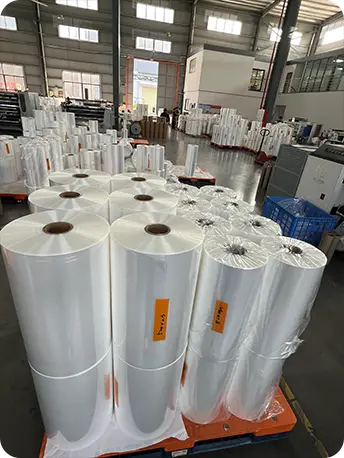
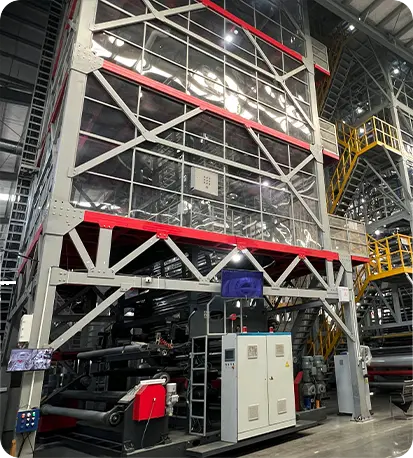
We eliminate supply chain complexity. By integrating extrusion, slitting, multi-color rotogravure printing, and bag making, we serve as your single point of contact for complex shrink labeling and film projects.
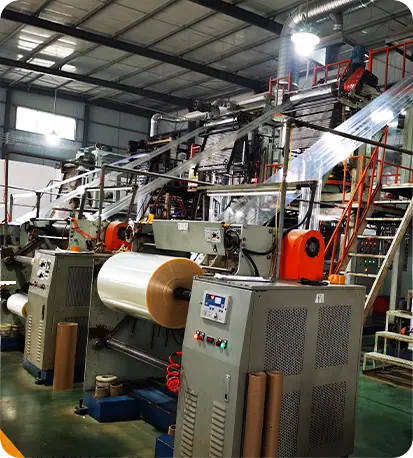
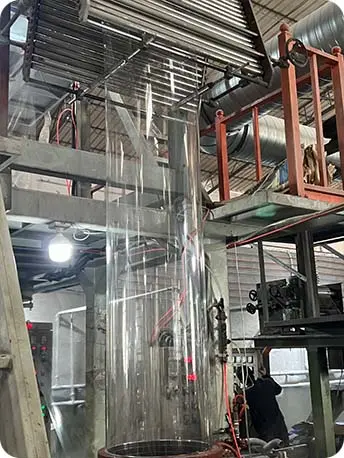
We advise client engineering departments on coefficient of friction (COF), transverse/machine direction shrink percentages (TD/MD), and optimal heating tunnel setups to avoid bottle distortion and label wrinkles.
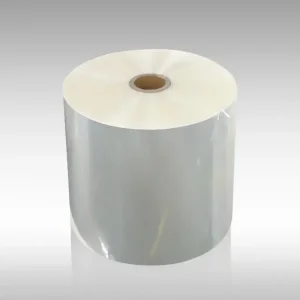
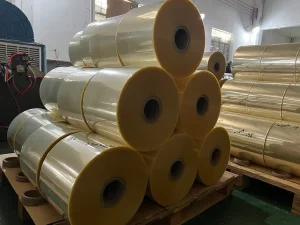
Polyvinyl Chloride (PVC) printed shrink film remains a foundational material in modern packaging chemistry. Valued for its crystal-clear transparency, excellent mechanical stability, cost efficiency, and ease of processing, PVC film provides an optimal canvas for high-impact brand designs. Over the last two decades, advancements in polymer science have addressed historic processing vulnerabilities, introducing new heat-resistant formulas and stabilizers that prevent yellowing, degradation, and premature shrinkage under warm storage environments.
B2B buyers routinely select PVC films due to their excellent contouring capabilities. When subjected to moderate temperatures (typically 80°C to 120°C in standard steam or hot air shrink tunnels), PVC shrinks smoothly and uniformly around complex 3D profiles. This property makes it perfect for neck bands, tamper-evident safety seals, and full-body sleeves on glass, metallic, or PET containers.
High-grade PVC shrink films generally feature a Transverse Direction (TD) shrinkage range of 50% to 58%, and a Machine Direction (MD) shrinkage range of 2% to 5%. This specific ratio minimizes vertical label distortion while achieving tight wrapping around narrow bottle necks and complex container shoulders.
China's packaging manufacturing sector has transitioned from a high-volume hub into a high-technology powerhouse. Organizations like Zhongshan Tianchen New Materials Co., Ltd. leverage sophisticated domestic petrochemical grids, ensuring stable polymer pricing and consistent supply schedules even during global market shifts. This localized supply integration enables us to offer reliable material parameters from batch to batch.
Furthermore, our geographic position in the Pearl River Delta provides efficient transport corridors to deep-water ports (such as Shenzhen and Guangzhou). This infrastructure allows us to optimize international transport costs, shorten manufacturing lead times, and dispatch container shipments quickly to support tight production schedules worldwide.
Operating a global packaging brand requires adherence to strict regional safety laws. We recognize that compliance certifications are essential requirements for food, beverage, and medical brands. Our PVC and polyolefin formulations undergo rigorous verification procedures to meet international standards:
Additionally, we work closely with local packaging distributors to establish local warehouse stocks and just-in-time delivery schedules, helping buyers minimize inventory carrying costs while protecting against supply disruptions.
For B2B buyers, importing printed shrink wrap involves evaluating several key technical parameters. Purchasing decisions should extend beyond baseline thickness and pricing. Buyers should evaluate:
The global packaging sector is moving rapidly toward resource efficiency and smart technology integration. Industrial development is focused on downgauging—producing thinner films (e.g., from 50 microns down to 35 or 30 microns) while retaining high puncture resistance and tensile strength. This reduces plastic volume per unit and lowers transport-related emissions.
Simultaneously, the demand for high-barrier PVC co-extrusions is rising. By layering specific oxygen and moisture barriers into the film structure, manufacturers can extend product shelf-life. Digital serialization and QR codes can also be integrated into the printed design to allow real-time product tracking, tamper-verification, and enhanced consumer interaction.
Clear, expert answers to key technical questions about PVC printed film sourcing, processing, and application engineering.
Browse our full range of shrink packaging films. Click on individual products to view direct technical specifications and ordering options.
 Tianchen Materials