Engineered Polymeric Substrates and Shrink Film Structures Designed for Automatic High-Speed Bottling and Packaging Systems.
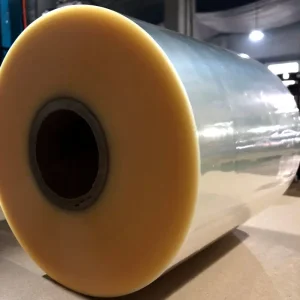
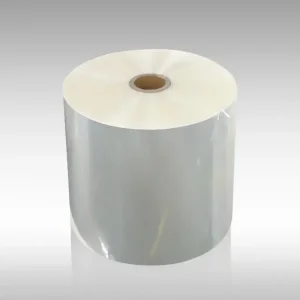
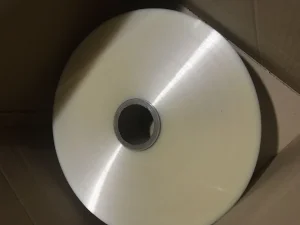
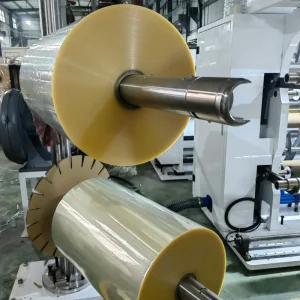
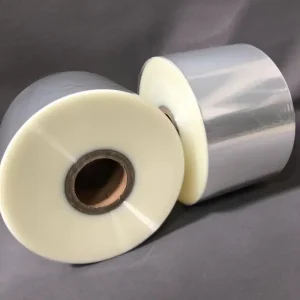
In modern industrial packaging, the choice of labeling substrate directly affects the structural integrity, product identification, and visual appeal of primary packaging systems. Polyvinyl Chloride (PVC) shrink labels remain a key technology in this space. Renowned for their controlled shrink ratios, clarity, ease of printing, and mechanical resilience, PVC formulations provide cost-effective options for complex, high-contour containers.
As a leading China PVC label maker manufacturer, we focus on engineering films that meet the speed demands of modern application machinery. PVC labels stand out because they shrink at lower temperatures compared to materials like PETG or POF, which protects temperature-sensitive products such as dairy goods and aerosol containers during packaging.
Deploying our engineered PVC shrink films ensures predictable transverse direction (TD) shrinkage curves (up to 58%) while keeping machine direction (MD) shrinkage under 3%. This prevents vertical distortion of barcode symbols and brand graphics on highly curved bottles.
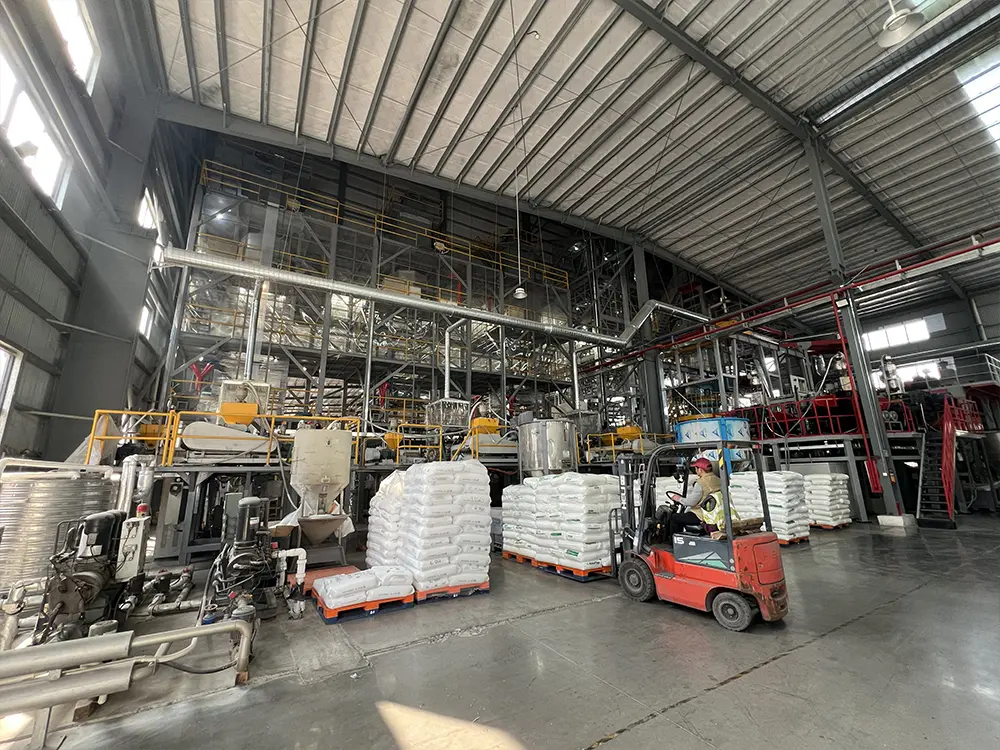
We deliver tailored packaging systems that address the challenges of major industries worldwide.
Our PVC sleeve formulations run smoothly on high-speed rotary application equipment, handling speeds up to 800 bottles per minute. They are highly resistant to humidity, preserving label integrity in cold-chain logistics.
Safety is a priority in pharmaceutical packaging. We offer custom-slit, micro-perforated PVC shrink bands that provide reliable, tamper-evident neck seals, ensuring seal verification for clinical and consumer packaging.
Our films are formulated to resist acid, alkali, and chemical degradation. This prevents smudging, tearing, or peeling on containers for household cleaning agents, industrial detergents, and cosmetics.
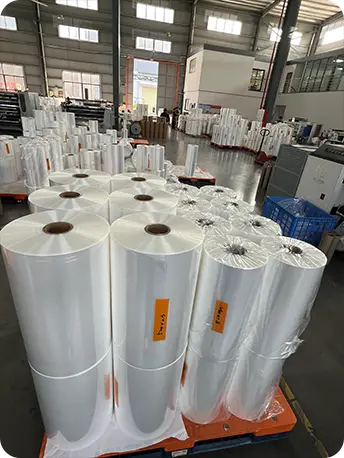
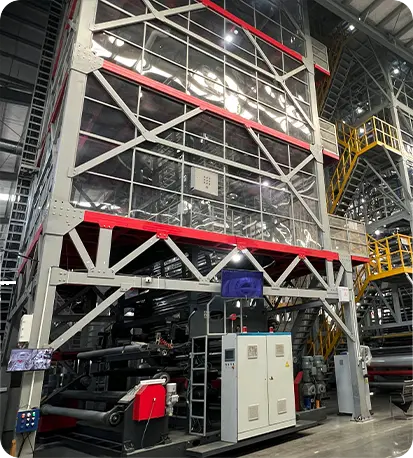
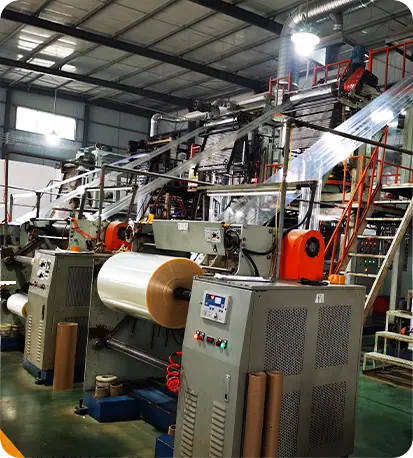
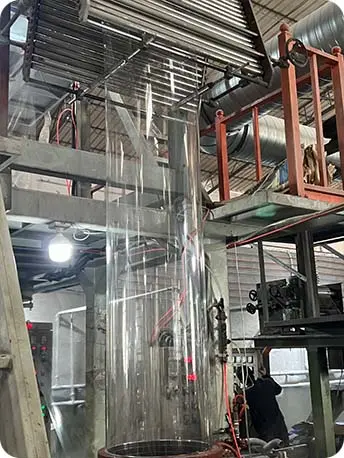
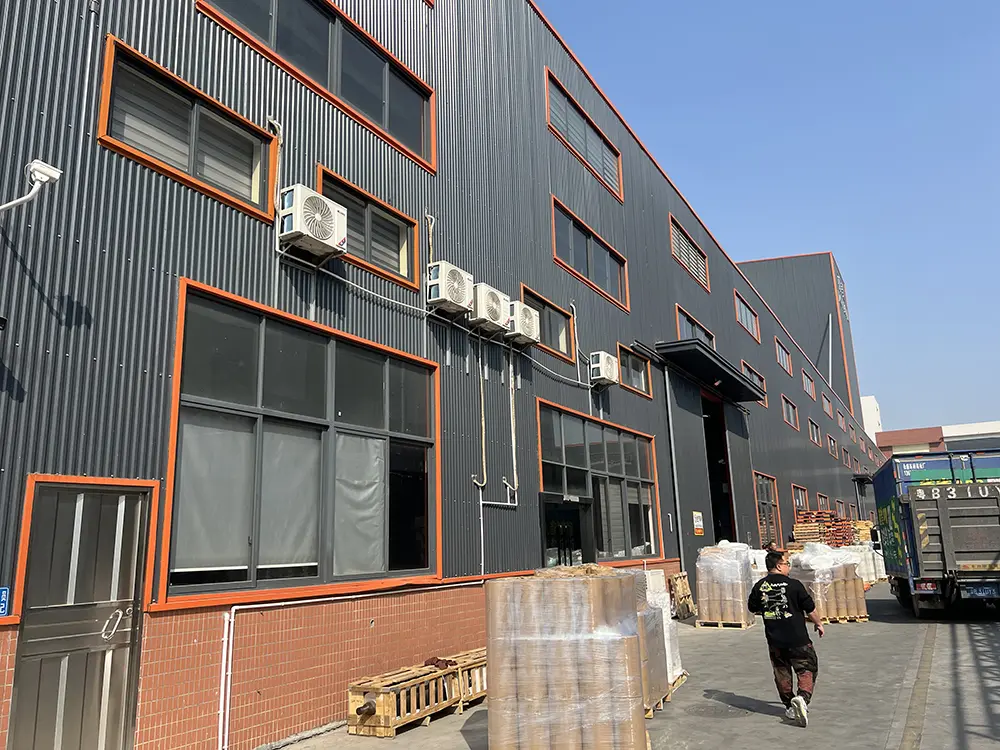
Tianchen is a comprehensive, one-stop procurement platform for packaging materials, built on over 20 years of experience in the film extrusion and packaging industry. We integrate raw material sourcing, film formulation, and processing to deliver reliable shrink packaging solutions that meet the requirements of international manufacturers.
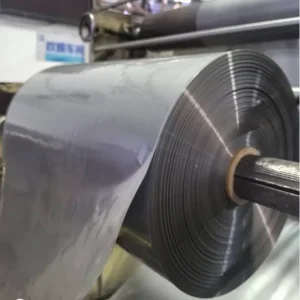
Quality control is central to our production process. Our production lines use online thickness gauges, and our laboratories test tensile strength, shrink ratios, and optical properties to ensure consistent quality across every batch. Our scale of production allows us to serve large global contracts while maintaining short lead times.
A detailed comparison of our polymer formulations designed for engineering teams and procurement specialists.
| Material Profile | TD Shrinkage % (at 100°C) | MD Shrinkage % (at 100°C) | Haze Rating % | Tensile Strength (MPa) | Primary Industrial Application |
|---|---|---|---|---|---|
| Standard PVC | 48% - 53% | < 3.0% | 3.0% | > 42 | Beverage Bottles, Toy Packaging, Cleaners |
| High-Shrink PVC | 54% - 58% | < 2.5% | 2.5% | > 45 | Conical Containers, Curved Glassware |
| Cross-Linked POF | 60% - 68% | 60% - 65% | 1.8% | > 80 | Multi-packs, Heavy Duty Food Prep, Electronics |
| OPP / CPP Co-Extrusion | Non-Shrink | Non-Shrink | 1.5% | > 110 | High-Speed Horizontal Flow Wrap Food Pouches |
Note: Custom widths (ranging from 150mm to 1200mm) and thicknesses (ranging from 25 to 70 microns) are available upon request.
For multinational corporations, compliance and supply chain security are critical. Tianchen maintains quality protocols to verify that our films meet international safety standards.
Our raw polymer resins are sourced from global suppliers, and each batch includes COA (Certificate of Analysis) documentation. We maintain clean production facilities to support hygienic packaging requirements for food and pharmaceuticals.
All finished PVC and POF films undergo testing to confirm compliance with regulatory standards, including European Union REACH, RoHS, FDA food-contact standards, and related environmental directives. This documentation helps our global clients navigate import audits and customs clearance smoothly.
How we are developing next-generation polymer technologies to balance functional performance with sustainability.
We are reducing film thickness from 40 to 30 microns while maintaining high tensile strength and puncture resistance. This helps clients reduce plastic consumption and shipping weight.
We are optimizing the surface energy of our films to support washable inks, which detach cleanly from PVC during the recycling process, improving the recovery of recycled PET bottles.
We are scaling up production of PETG films with high TD shrink profiles and developing formulations that incorporate post-consumer recycled (PCR) materials to help brands meet sustainability goals.
Direct answers to key technical questions from packaging engineers and procurement managers.
PVC offers lower initiation and shrink temperatures (starting around 75°C to 80°C) and provides a more gradual shrink curve. This helps prevent crinkling or distortion on complex container shapes, making it a reliable and cost-effective choice for many applications.
By monitoring the extrusion process and controlling film tension during winding, we keep machine direction (MD) shrinkage under 3%. This prevents barcodes and graphics from distorting vertically during heat passage.
Our films are compatible with high-speed rotogravure, flexographic, and digital printing presses. We pre-treat the film surfaces (ensuring dyn level > 38 dyne/cm) to support strong ink adhesion.
PVC is sensitive to high temperatures. We recommend storing the rolls in climate-controlled environments below 25°C with relative humidity under 60% to prevent premature shrinkage or blocking.
Yes, we provide mechanical micro-perforation services, offering custom-spaced horizontal or vertical perforations that ensure easy tear-away function while maintaining seal integrity during transit.
Engineered Polymeric Substrates and Shrink Film Structures Designed for Automatic High-Speed Bottling and Packaging Systems.
 Tianchen Materials