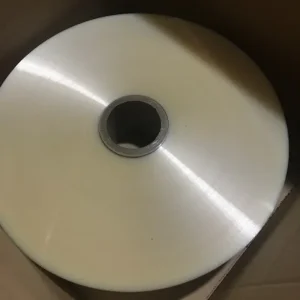
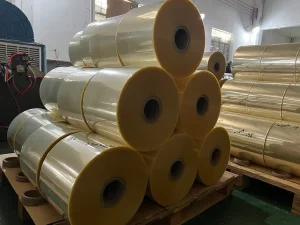
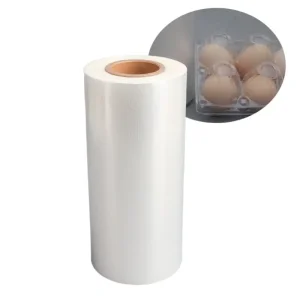
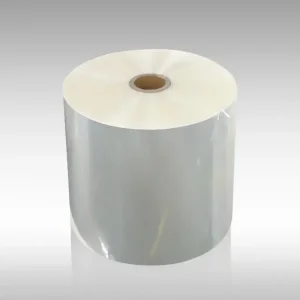
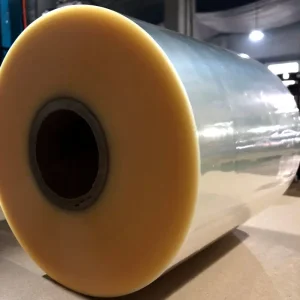
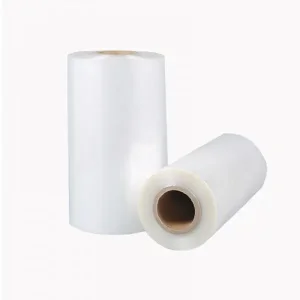
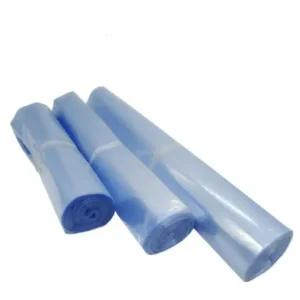
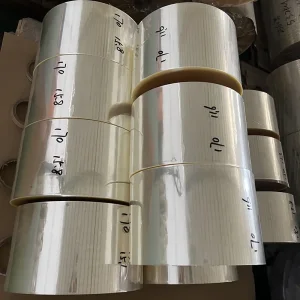
In the modern global supply chain, packaging acts not merely as a protective barrier but as an instrument of logistics efficiency and brand marketing. Polyvinyl Chloride (PVC) heat shrink wrap remains one of the most versatile, high-clarity materials utilized globally. Known for its exceptional shrinking properties at relatively low temperatures, excellent clarity, and resistance to environmental degradation, PVC shrink films serve countless industries—including food and beverage processing, pharmaceuticals, cosmetics, and industrial tooling.
On a macro-industrial scale, the market for PVC heat shrink film is driven by the rise of automated packaging machinery and high-speed production lines. PVC's unique molecular structure allows for tight, wrinkle-free sealing around asymmetric geometries, making it the material of choice for tamper-evident closures, battery sleeves, and printed labels. Because of its cost-competitiveness relative to alternative resins, it is heavily demanded across emerging markets in Southeast Asia, Latin America, Europe, and North America.
| Property Matrix | PVC Shrink Film | POF (Polyolefin) | PE (Polyethylene) |
|---|---|---|---|
| Shrink Temp Range | 110°C - 130°C | 120°C - 150°C | 150°C - 180°C |
| Clarity & Gloss | Extremely High | Excellent | Moderate to Low |
| Common Thicknesses | 15 - 50 Microns | 12 - 25 Microns | 30 - 150 Microns |
| Tear Resistance | Moderate | Outstanding | High |
| Optimal Application | Labels, Caps, Tapes, CDs, Coils | Multi-packs, Toys, Food trays | Pallet wraps, heavy cases |
Global buyers looking for optimal cost-to-performance metrics consistently turn to Chinese manufacturers. The operational efficiency of a China PVC heat shrink wrap factory relies on an interconnected, highly specialized ecosystem. From raw vinyl chloride monomer synthesis to precision multi-layer co-extrusion machinery, Chinese factories leverage unmatched scaling capabilities.
Proximity to localized polymer chemical zones drastically cuts internal logistics costs, allowing Chinese factories to offer competitive FOB/CIF prices without sacrificing raw resin quality.
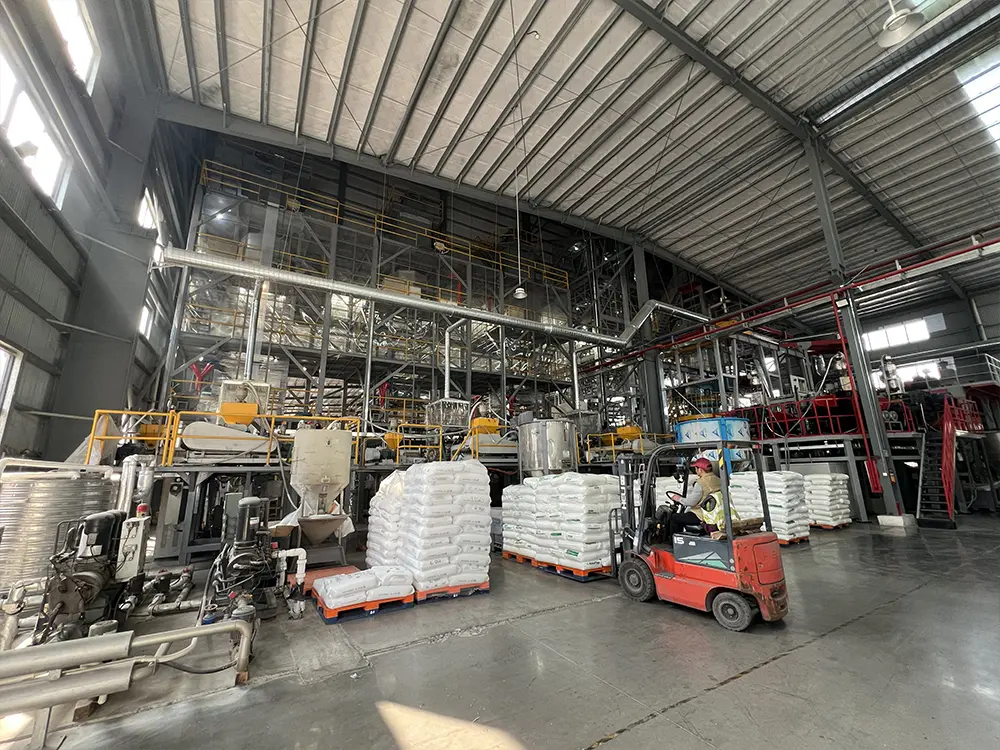
Our plants utilize automated gauge control to minimize film thickness variation, ensuring consistent processing on standard heat tunnels and automated wrapping machinery.
Adhering to international ASTM testing methodologies, every production batch is checked for shrinkage rates, tensile strength, and optical haze metrics.
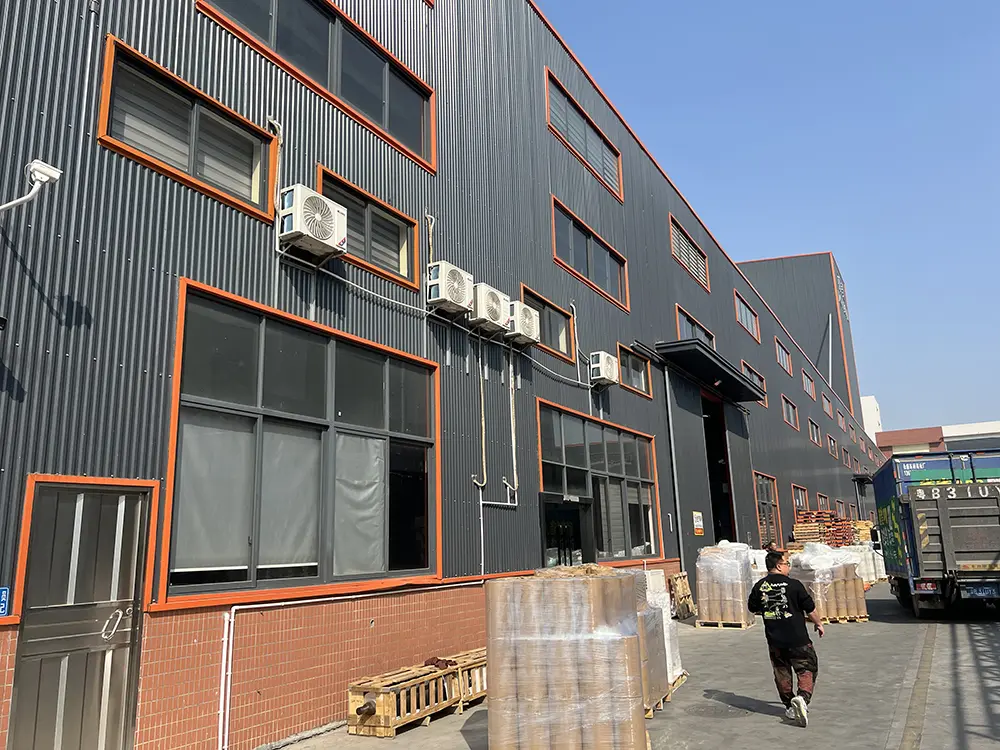
Zhongshan Tianchen New Materials Co., Ltd. is a premier, comprehensive packaging material procurement platform built upon a foundation of more than 20 years of hands-on expertise in the film extrusion and packaging industry. Tianchen stands at the forefront of the Chinese packaging manufacturing sector, driven by a commitment to resource integration, product reliability, and responsive client service.
At Tianchen, quality control is woven into every phase of production. We have built high-caliber production, research and development, and sales teams to align our materials with the requirements of our diverse clientele. Our strict quality management workflows ensure that films delivered to your facility are free of defects, have uniform thickness, and exhibit optimal heat-seal properties. This commitment to QA combined with scalable, large-volume capabilities has allowed us to win the trust and partnership of businesses globally.
Our technical experts continuously innovate our formulations to improve seal strength, reduce shrinking temperatures, and enhance optical characteristics, providing you with cutting-edge packaging solutions.
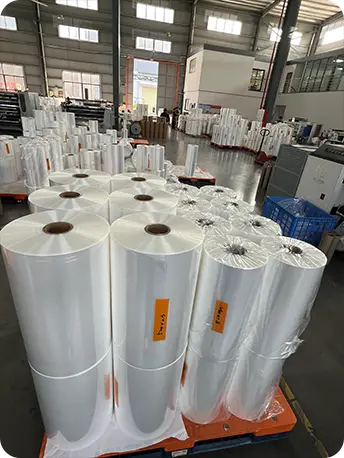
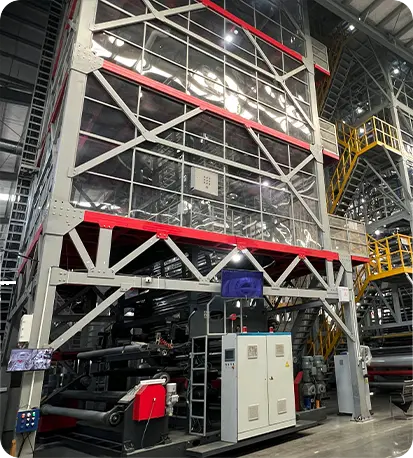
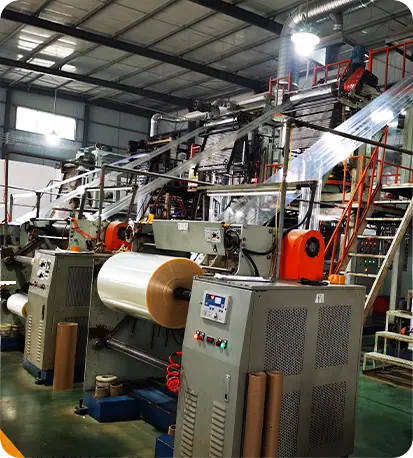
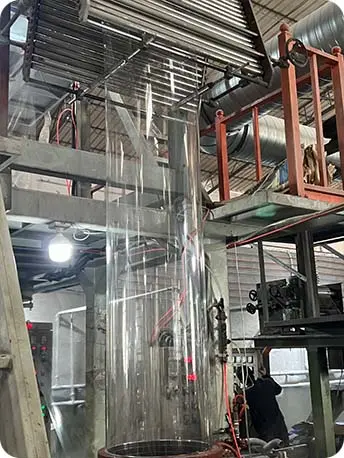
In today's highly competitive industrial landscape, managing multiple vendors introduces supply chain risks and increases shipping overheads. Zhongshan Tianchen New Materials Co., Ltd. resolves this by acting as your single point of contact for diverse packaging materials. Whether you require eco-friendly POF (Polyolefin) films, high-durability PE packaging materials, high-barrier CPP/OPP laminates, or custom-printed PVC shrink labeling solutions, we streamline the entire design, manufacturing, and distribution process.
Our platform guarantees seamless communication, unified quality standards, and consolidated logistics services to significantly reduce your total cost of ownership (TCO).
Selecting the correct polymer material requires analyzing the product geometry, storage environment, and budget constraints. Below, we break down the operational profiles and localized application scenarios for our main product lines:
PVC shrink wrap is widely used due to its ease of processing and high clarity. It is well-suited for high-resolution printed sleeve labels (e.g., beverages and cosmetics) and battery wraps. It shrinks predictably along the transverse direction (TD) with minimal longitudinal deformation, preventing visual distortion of printed text.
POF is a co-extruded, environment-friendly film featuring high tensile strength and puncture resistance. It is well-suited for direct food packaging (e.g., egg trays, fresh produce, and frozen items) because it does not release irritating odors when sealed. Our low-temperature POF formulations help reduce energy consumption on shrink tunnels.
CPP and OPP films are preferred for barrier applications. Available in both bags and roll stocks, these films provide moisture barrier properties, high transparency, and high thermal sealing strength, making them ideal for snacks, bread, daily necessities, and medical products.
Importing shrink wrap materials from China at volume demands diligent supply chain planning. PVC film is sensitive to extreme heat during maritime transit. Temperatures inside container ships crossing the equator can rise above 50°C, which can cause premature film shrinkage or blocking (sticking of the film layers).
At Zhongshan Tianchen, we manage this risk with dedicated export packaging protocols. We wrap our film rolls in moisture-barrier PE films, pack them with silica-gel desiccants, and secure them in reinforced wood pallets. During summer, we recommend using temperature-controlled reefer containers or booking fast shipping lines to bypass delays at transit ports.
 Tianchen Materials