High-performance polymer and bio-based packaging solutions engineered for global supply chains, compliant with international environmental directives.
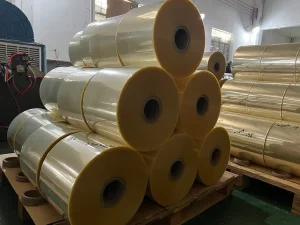
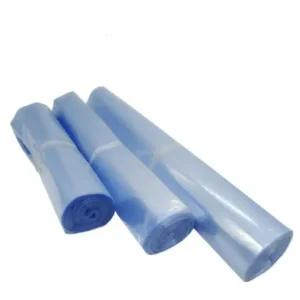
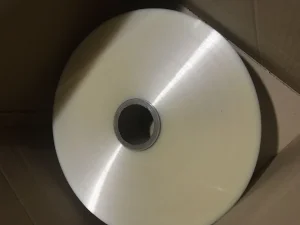
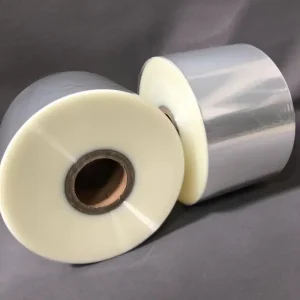
Understanding the regulatory, structural, and ecological driving forces transforming high-shrink labeling systems.
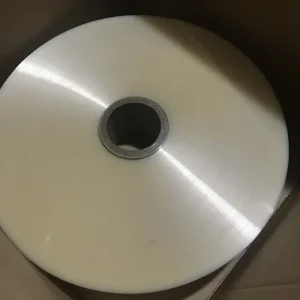
Polylactic Acid (PLA) is derived from 100% annually renewable agricultural resources such as corn starch or sugarcane. Under standard industrial composting conditions (EN 13432 / ASTM D6400), it disintegrates safely back into carbon dioxide and water, reducing landfill footprints.
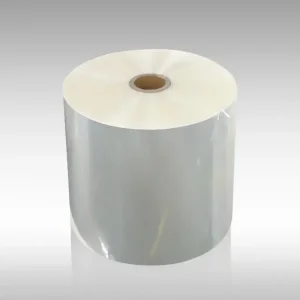
PLA films exhibit a high transverse direction (TD) shrinkage rate of up to 75% to 80%. This mimics the performance of traditional PETG or PVC, facilitating seamless application onto highly contoured bottles and complex containers without causing folds or wrinkles.
LCA (Life Cycle Analysis) metrics show that PLA production consumes up to 65% less fossil energy and releases up to 68% fewer greenhouse gases compared to petroleum-derived polymers like PETG, establishing it as a primary tool for corporate ESG goals.
A critical evaluation of thermal, operational, and sustainability parameters across mainstream shrink sleeve substrates.
| Material Metric | PLA (Polylactic Acid) | PETG (Polyethylene Terephthalate Glycol) | PVC (Polyvinyl Chloride) | POF (Polyolefin) | |
|---|---|---|---|---|---|
| Source Material | 100% Bio-based (Corn/Sugarcane) | Petrochemicals | Petrochemicals | Petrochemicals | |
| Max TD Shrinkage | Up to 78% | Up to 78% | 60% - 65% | 60% - 70% | |
| Initiation Temp | 60°C - 70°C (Low activation) | 70°C - 75°C | 65°C - 70°C | 110°C - 130°C | |
| End-of-Life | Industrial Composting | Recyclable (RIC #1, check local) | Landfill / Hazardous Incineration | Recyclable (RIC #4) | |
| Print Quality | High Gloss, Superior Ink Adhesion | Excellent | Moderate to Good | Good (mainly clear wrap) | |
| Global Warming Potential | Extremely Low (-0.6 kg CO2 eq/kg) | Moderate (2.1 kg CO2 eq/kg) | High (3.4 kg CO2 eq/kg) | Moderate (1.8 kg CO2 eq/kg) |
For procurement directors in Europe, North America, and APAC, sourcing biodegradable films involves unique commercial criteria.
Due to a low glass transition temperature (approx. 55-60°C), PLA shrink films are sensitive to heat. Global logistics require reefer containers (temperature-controlled at 22-25°C) to prevent premature shrinkage during maritime transport across equatorial routes.
FMCG companies require high-speed rotogravure, flexographic, or digital printing compatibility. Leading Chinese manufacturers use surface-tension modified PLA films that maintain dye stability, solvent resistance, and vibrant CMYK color matching.
Entering EU and US markets demands clear certifications. Procurement workflows must audit factory test certificates for EN 13432, ASTM D6400, and FDA compliance for direct food and beverage packaging contact.
How Chinese modern packaging hubs consolidate manufacturing to provide structural cost advantages and superior quality control.
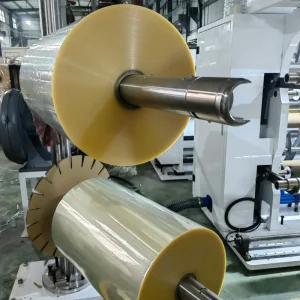
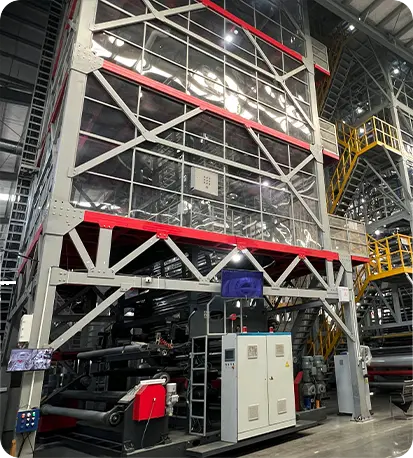
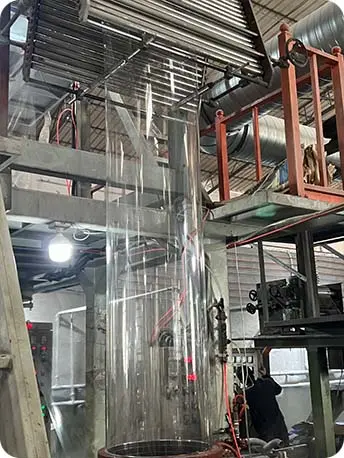
By using modern multi-layer co-extrusion technology, manufacturers can produce specialized PLA formulations. By modifying the core and skin layers, factories solve the historical brittleness of PLA, boosting film toughness and slip properties for high-speed automatic application machines.
China is home to some of the world's largest lactic acid and PLA resin synthesis hubs. This proximity to raw material producers insulates downstream packaging converters from volatile spot-price spikes, securing long-term price stability and uninterrupted supply chains for global contract brands.
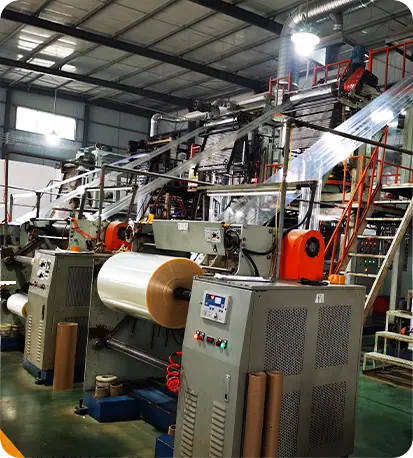
Modern Chinese extrusion operations feature closed-loop thickness monitoring systems that automatically adjust the die lip. Online defect scanning identifies gel spots, pinholes, and optical distortions in real-time, providing digital audit logs and traceable roll profiles.
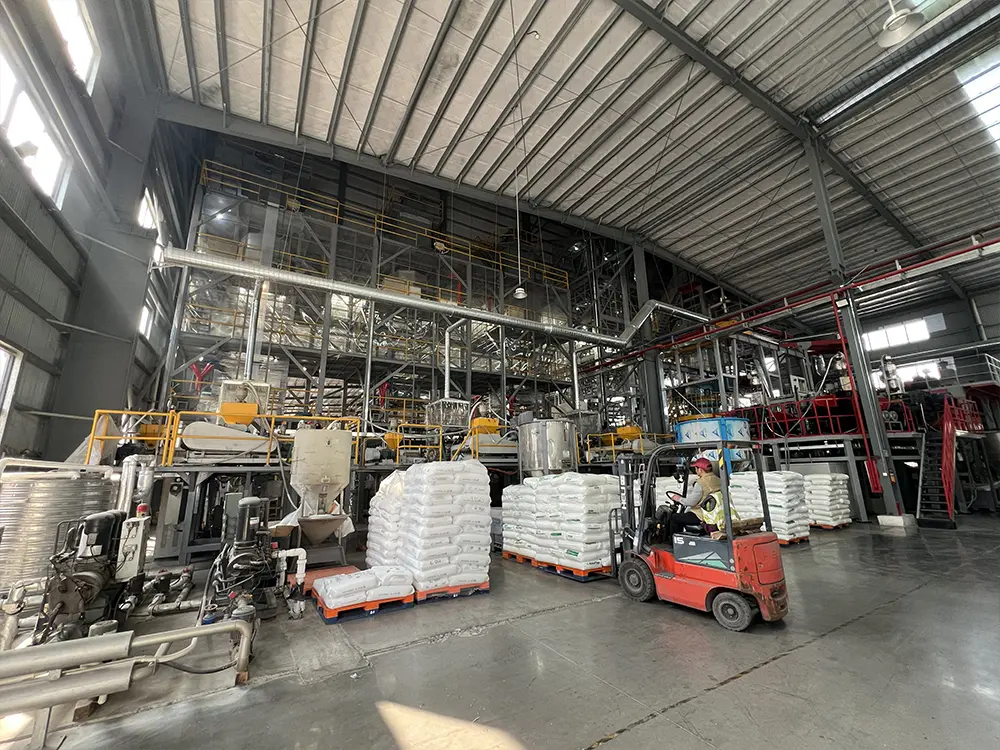
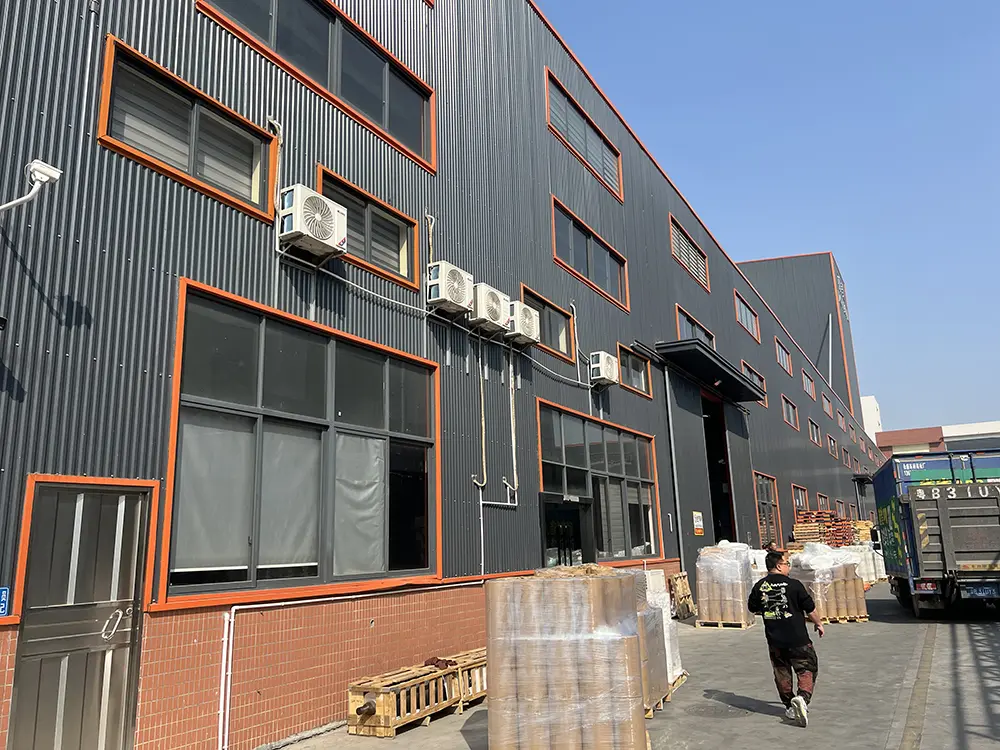
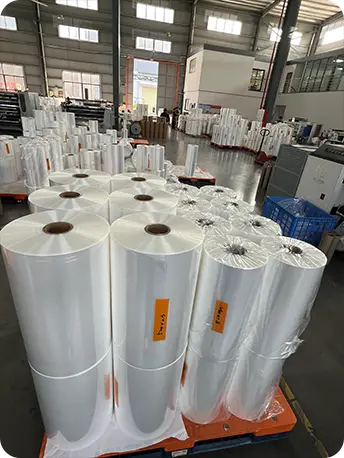
From film extrusion and printing to slitting and seaming, Chinese facilities maintain full process control under one roof. This minimizes handling, protects heat-sensitive PLA reels, and shortens production lead times down to 10-15 business days.
Adapting bio-based shrink packaging to specific commercial environments and processing requirements.
Perfect for PET and glass containers with radical curves (such as waisted juices or premium dairy containers). PLA’s high transverse shrinkage ensures snug fitting around bottle necks, eliminating the need for separate neck seals.
Eco-conscious personal care brands pair biopolymer tubes with PLA tamper-evident sleeves. The film's high transparency and premium tactile feel align with clean-beauty brand identities.
For prescription pill bottles and healthcare packaging, PLA shrink bands provide secure, tamper-evident seals. These bands tear reliably at the perforation without requiring heavy force.
Your One-Stop Packaging Material Procurement Platform.
Zhongshan Tianchen New Materials Co., Ltd. is a comprehensive packaging procurement hub built on over 20 years of experience in the film packaging industry. We integrate resources and address diverse customer needs to provide reliable solutions for various global packaging applications.
Our experienced production, R&D, and sales teams maintain strict quality control standards. By combining large-scale production capabilities with modern quality management systems, we manufacture products that meet strict international expectations, earning the long-term trust of our clients.
Direct answers to technical, commercial, and operational questions for procurement managers.
Discover our wider range of packaging materials designed for food safety, consumer goods, and industrial logistics.
 Tianchen Materials