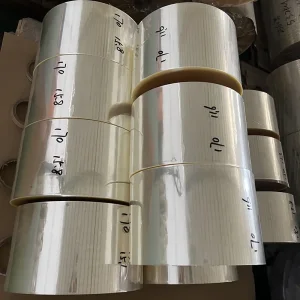
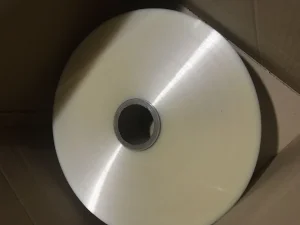
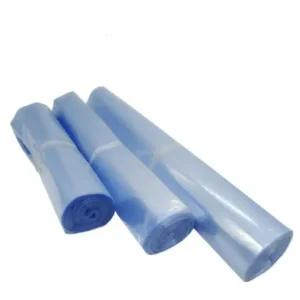
Explore our core selection of high-clarity shrink bags, UV-resistant label films, and protective barrier packaging.
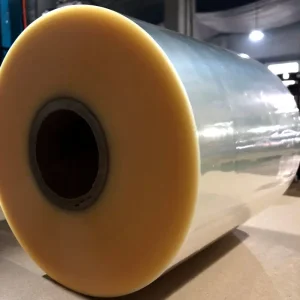
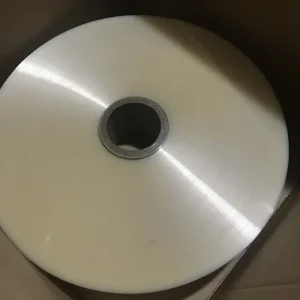
In the modern flexible packaging landscape, Biaxially Oriented Polypropylene (BOPP) Heat Sealable films represent the cornerstone of structural integrity, preservation, and high-speed packaging line efficiency. As multinational manufacturers and packaging engineers scale operations, the demand for high-performance, multilayer co-extruded films manufactured in China has surged exponentially. The transition to advanced polypropylene structures is driven by a global push toward mono-material recyclability, reduced energy consumption during the heat-sealing process, and superior moisture barriers.
Engineers and procurement teams must evaluate chemical, mechanical, and optical parameters when qualifying a China-based manufacturing partner. Standard specifications typically fall within the following parameters:
| Parameter | Value / Range | Testing Methodology | Industrial Significance |
|---|---|---|---|
| Thickness Range | 15 µm to 50 µm | ASTM D374 | Dictates yielding strength and optical density. |
| Seal Initiation Temp (SIT) | 105°C – 120°C | ASTM F88 | Lower SIT facilitates faster line speeds on HFFS/VFFS systems. |
| Coefficient of Friction (COF) | 0.30 – 0.45 (Kinetic) | ASTM D1894 | Determines the slip properties on packaging machinery. |
| Tensile Strength (MD/TD) | 120 / 220 MPa | ASTM D882 | Ensures structural integrity under high web tension. |
| Haze Value | 1.5% – 3.0% | ASTM D1003 | Determines visual clarity for premium retail display. |
The global flexible packaging market is undergoing a profound shift. Sustainability regulations, including the European Union's Packaging and Packaging Waste Regulation (PPWR), dictate that all packaging materials be recyclable or reusable by 2030. In response, Chinese manufacturers are innovating along the following technological routes:
Behind every supply chain is a robust manufacturing matrix designed for high-volume consistency and quality assurance.
Your Comprehensive One-Stop Packaging Material Procurement Platform
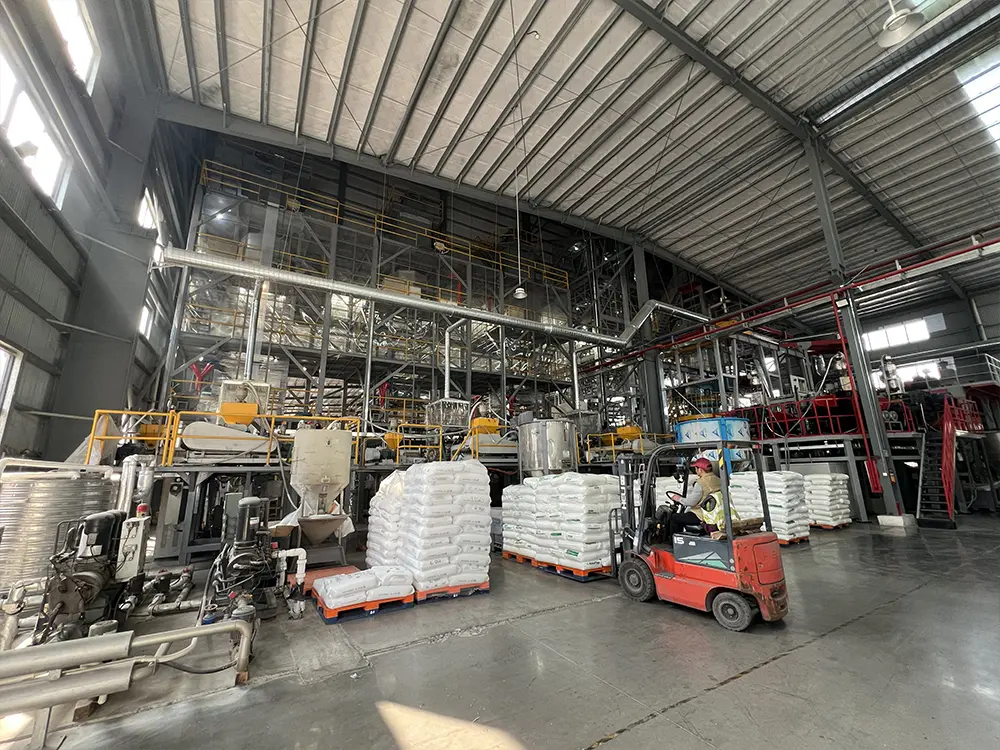
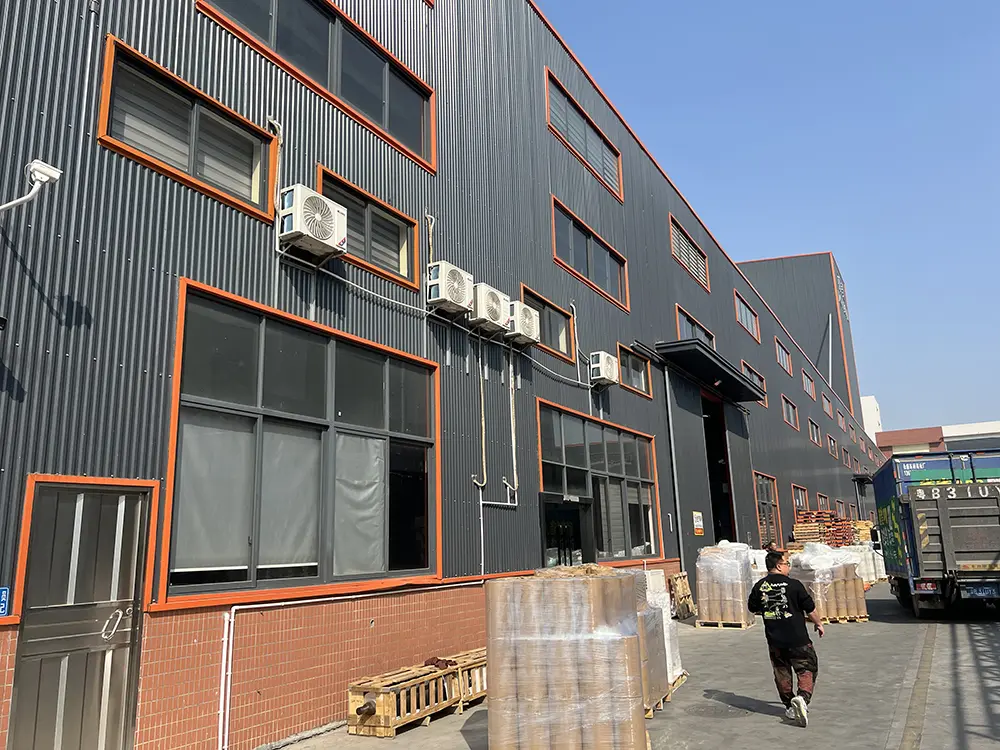
Established on the foundation of extensive industry experience, Zhongshan Tianchen New Materials Co., Ltd. acts as a premier procurement hub and custom manufacturer. Driven by a commitment to industrial resource integration and addressing diverse customer needs, we ensure our clients receive optimized materials designed to maximize efficiency and decrease package waste.
By leveraging advanced chemical formulations and state-of-the-art co-extrusion technology, Tianchen maintains an agile supply chain capable of producing everything from high-performance POF shrink films to customized, high-clarity OPP heat-sealable solutions. Our corporate mission revolves around helping global brands shift towards greener, more resilient packaging systems.
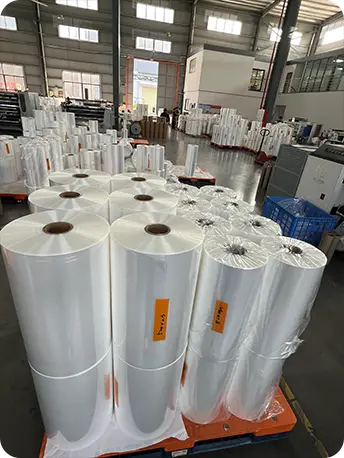
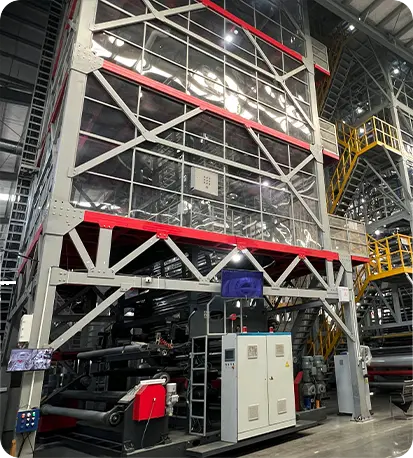
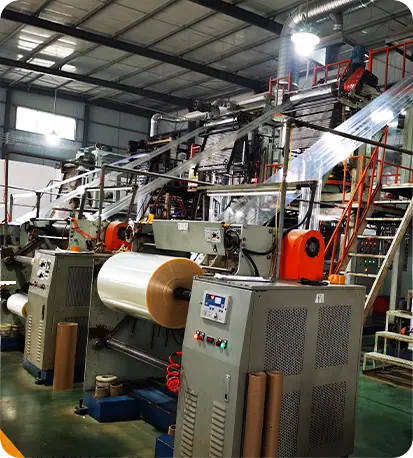
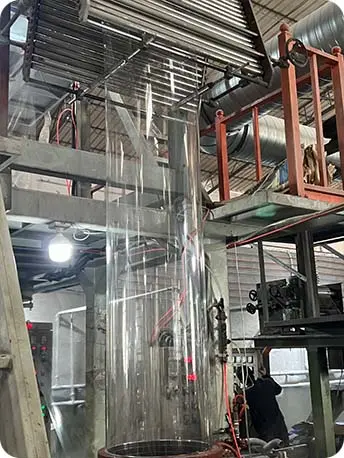
At Tianchen, we host dedicated production, research and development, and global logistics teams. Quality control is embedded in our manufacturing culture. A modern quality control system guarantees trace-level oversight for every batch of film produced. This commitment, combined with our large-scale output capabilities, has secured long-term trust from Fortune 500 companies and local packagers alike.
In today's highly competitive market landscape, having a single-point supplier reduces lead times and integration mismatches. From heavy-duty PE stretch wraps to customized POF shrink films and food-safe OPP heat seal wraps, Tianchen handles formulation, slitting, printing, and customs logistics, minimizing overhead for your operations.
Procuring raw film stocks from overseas requires rigid technical due diligence. When auditing China OPP heat seal manufacturers, procurement teams must implement a structured vetting matrix that looks beyond unit costs:
Standard off-the-shelf OPP films rarely meet the specialized needs of modern food and pharmaceutical packaging. A quality Chinese manufacturer must provide comprehensive customization options, including custom print treatments (up to 10 colors using high-definition gravure or flexographic printing), customized widths ranging from 100mm up to 2500mm, and adjustable friction coefficients depending on whether the customer utilizes horizontal (HFFS) or vertical (VFFS) filling systems.
Addressing the core technical inquiries of supply chain managers and packaging engineers.
Standard BOPP is a monolayer film or a multilayer co-extrusion made entirely of homopolymer polypropylene, which does not seal cleanly because homopolymer PP has a very high melting point (approx. 165°C). Heat Sealable BOPP includes a co-extruded outer layer of random copolymer or terpolymer with a lower melting point (105°C - 125°C), enabling the film to melt and seal at lower temperatures while the core homopolymer maintains structural rigidity.
COF determines how smoothly the film slides over the metal forming collars and sealing plates of packaging machinery. A COF that is too high (above 0.50) causes drag, leading to uneven bags, jams, and web breaks. A COF that is too low (below 0.25) can cause tracking issues, slippage, and poor winding. For high-speed lines, a kinetic COF of 0.30 to 0.40 is typically optimal.
Seal degradation occurs primarily due to the migration of slip additives (like erucamide or oleamide) to the surface. Over time, excess slip agents accumulate on the sealable skin, preventing optimal molecular fusion during sealing. To prevent this, premium manufacturers optimize the ratio of slip agents or use non-migratory slip technologies like silicone-based additives, extending the shelf-life of the film to 6–12 months without losing seal strength.
For food and healthcare packaging, manufacturers must hold ISO 9001 quality management certificates, BRCGS (British Retail Consortium Global Standards) for packaging materials, and provide food-grade compliance documentation complying with FDA (21 CFR Part 177) and EU Directive 10/2011 regulations. Periodic heavy metal and phthalate analysis reports (RoHS/REACH) must also be provided.
Unlike laminated multi-material packaging (e.g., PET/PE, Paper/Alu/PE), OPP heat seal films can be configured into a mono-material polypropylene laminate (BOPP/Cast PP). This allows the entire package structure to be recycled in standard PP recycling lines, complying with Circular Economy objectives worldwide.
Complete your supply procurement with heavy-duty PE films, specialized wine bottle caps, and high-performance POF shrink films.
 Tianchen Materials