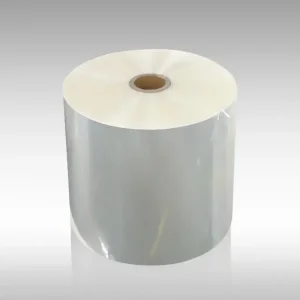
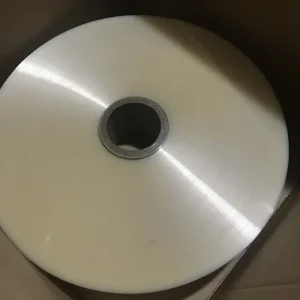
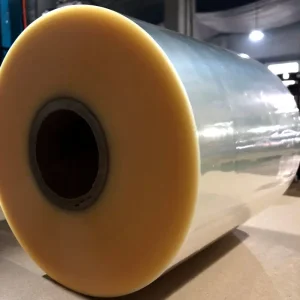
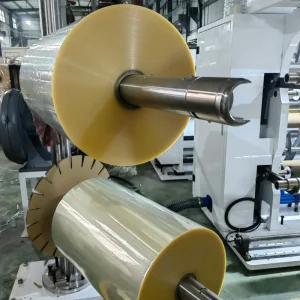
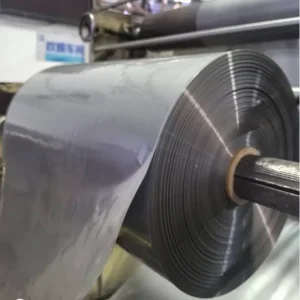
High-performance polymeric formulations engineered for automated high-speed packaging applications globally.
In the rapidly changing world of modern flexible packaging, Oriented Polypropylene (OPP) Heat Seal Film Sleeves are a top-tier choice for product protection, optical clarity, and structural strength. Because of its excellent physical properties, OPP is now standard in industries ranging from food service to retail labeling. When manufactured with co-extruded sealable skin layers, OPP films become heat-sealable, allowing them to form strong, airtight seals on high-speed automated packaging machinery.
For international sourcing directors and plant managers, choosing the right film structure is key to running a cost-effective, efficient packaging line. Whether using a bi-axially oriented structure (BOPP) for high tensile strength and clear gloss, or a cast structure (CPP) for puncture resistance and lower sealing temperatures, finding the right technical balance is essential for product safety and brand presentation.
Features a specialized co-extruded terpolymer skin layer. Allows for seal initiation at lower temperatures while preserving the core optical and physical characteristics of the film.
The controlled Coefficient of Friction (COF) prevents jamming on automated packaging machines. This ensures high-speed feeding, wrapping, and sleeve-cutting with minimal downtime.
Low haze index combined with high gloss properties guarantees exceptional shelf visibility, showcasing the natural freshness of premium food and retail items.
Zhongshan Tianchen New Materials Co., Ltd. – Your One-Stop Packaging Material Procurement Platform.
Zhongshan Tianchen New Materials Co., Ltd. is a comprehensive packaging material procurement platform built on over 20 years of experience in the film packaging industry. Established on this strong foundation, Tianchen focuses on resource integration and customer service, providing top-tier solutions for a wide range of packaging needs.
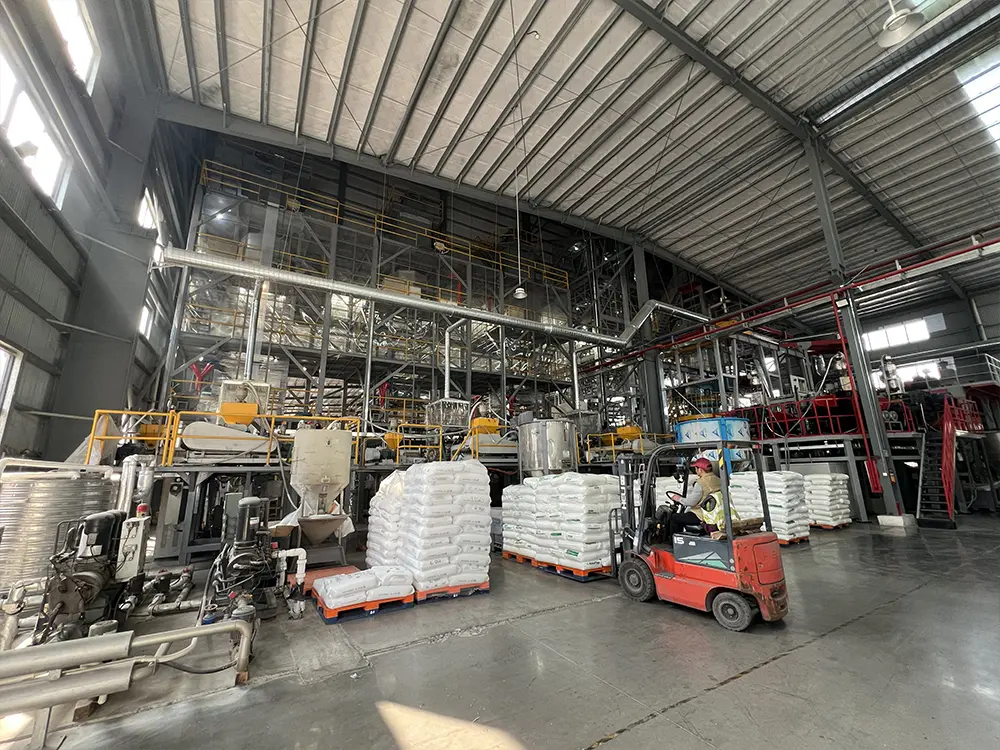
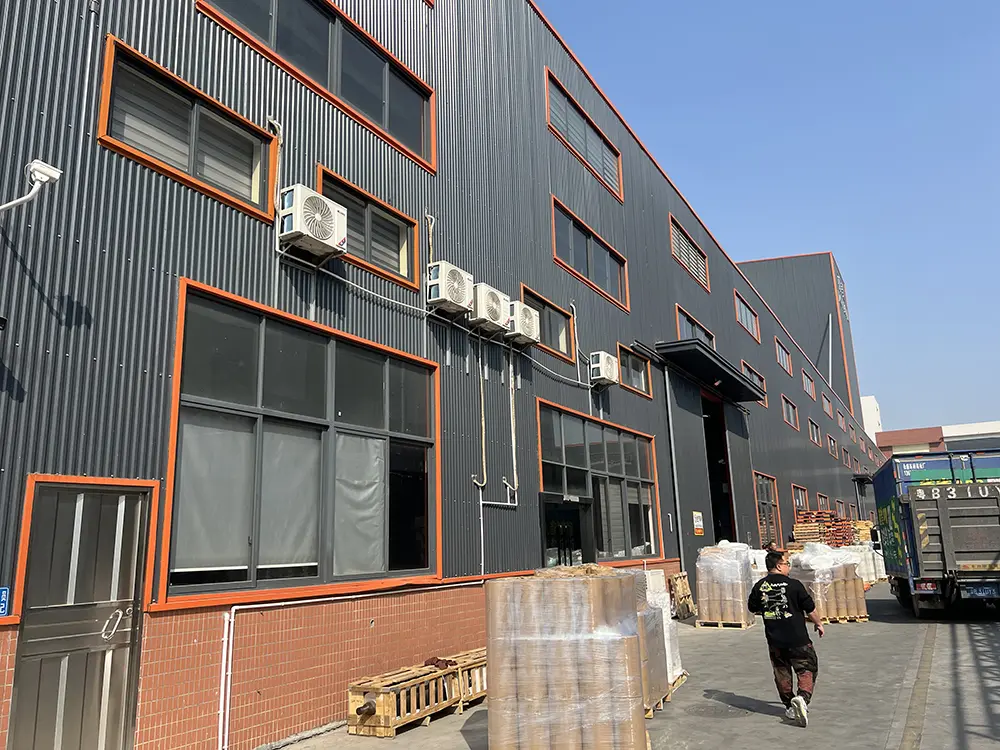
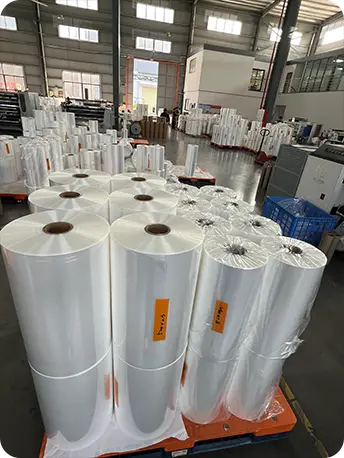
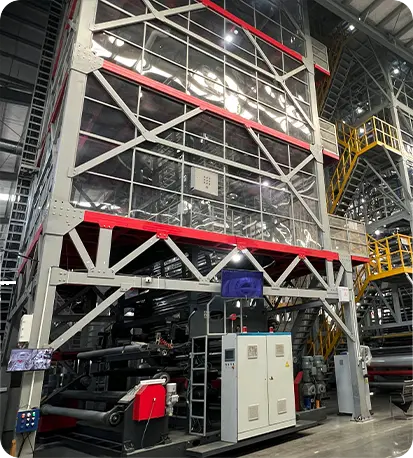
At Tianchen, we have professional production, R&D, and sales teams, making quality control a top priority. Our modern quality management system ensures all products meet strict customer standards. This focus on quality, combined with our large-scale production capacity, has built strong trust with our clients. Our experienced professionals continuously innovate and improve our product offerings, ensuring we deliver reliable, high-performance solutions.
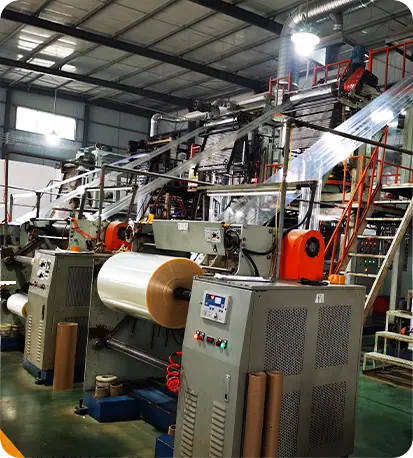
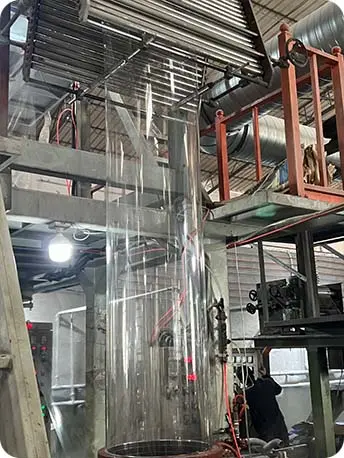
In today's competitive marketplace, Zhongshan Tianchen New Materials Co., Ltd. stands out as a reliable partner for your packaging material needs. As a comprehensive procurement platform, Tianchen combines decades of industry expertise with a focus on product quality and customer satisfaction. Whether you need eco-friendly heat shrink films or durable packaging solutions, Tianchen is here to support your business with industry-standard materials.
The global demand for packaging film has driven Chinese manufacturers to upgrade their facilities with advanced co-extrusion technology. Today, sourcing OPP Heat Seal Film Sleeves from China provides significant strategic advantages for global buyers:
OPP heat seal films are engineered structures. They consist of a core layer of bi-axially oriented polypropylene (BOPP), which provides mechanical strength and barrier properties, sandwiched between heat-sealable polymer layers.
This co-extrusion process allows the outer skins to melt at lower temperatures without affecting the structural core layer. The table below highlights the standard physical properties of a premium-grade China OPP heat seal sleeve film:
| Property Parameter | Typical Testing Metric (ASTM Standards) | Standard Range Values | Application Significance |
|---|---|---|---|
| Film Thickness | ASTM D2103 | 15 to 40 Microns (Customizable) | Determines product yield, yield costs, and tensile strength. |
| Haze Value | ASTM D1003 | 1.0% – 1.8% | Ensures high transparency and shelf appeal. |
| Gloss (45° Angle) | ASTM D2457 | > 85% | Provides a reflective surface finish for premium retail items. |
| Coefficient of Friction (COF) | ASTM D1894 (Film-to-Film) | 0.30 – 0.45 | Ensures smooth feeding through packaging lines. |
| Heat Seal Strength | ASTM F88 (at 120°C, 2 Bar, 0.5s) | > 2.5 N / 15mm | Guarantees seam strength to prevent product leakage. |
| Seal Initiation Temperature (SIT) | ASTM F1921 | 85°C – 105°C | Enables faster packing speeds on automatic horizontal lines. |
| Water Vapor Transmission (WVTR) | ASTM E96 (38°C, 90% RH) | < 5.0 g / m² / 24 hours | Protects dry foods and retail items from humidity. |
OPP heat seal film sleeves are versatile materials used across various industries. By modifying core additives like slip agents, anti-static compounds, and anti-fog chemistry, manufacturers customize the material for distinct markets:
Widely used for packaging bread, biscuits, and confectionery. The low seal initiation temperature protects heat-sensitive products, while the high slip properties support production speeds of up to 400 packages per minute.
Provides secure protective wrapping for notebooks, CDs, books, and boxed tapes. It maintains crisp optical clarity, ensuring barcodes and product information remain easily scannable on store shelves.
Offers a chemical-resistant barrier for soaps, detergents, and mosquito coil units. The film blocks moisture migration, preserving fragrance stability and preventing structural warping during transport.
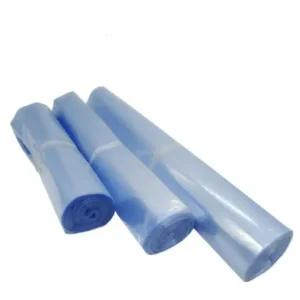
In industrial environments, these films are often converted into pre-made sleeves. This setup allows automated machinery to slide the film over containers before final heat-sealing. This technique is common in multi-pack shrink systems, promotional bundling, and tamper-evident neck closures.
As environmental regulations tighten globally, the flexible packaging industry is shifting toward more sustainable materials. Manufacturers are focusing on key developments to align with green initiatives:
Zhongshan Tianchen New Materials Co., Ltd. continuously invests in developing these newer material structures, helping global buyers meet regional packaging regulations and consumer preferences for eco-friendly designs.
When sourcing OPP heat seal sleeves, procurement teams need a reliable framework to evaluate potential partners. Relying solely on price can lead to line stoppages, seal failures, or compliance issues. Use this checklist during vendor audits:
Ensure the manufacturer uses virgin, food-grade polypropylene resins from reputable petrochemical suppliers. Recycled industrial scrap should not be used in food-contact packaging. Ask for material data sheets and certification paths.
Verify compliance with major international standards, including FDA regulations for food contact, EU Directive 10/2011, RoHS, and REACH. Your supplier should provide updated test reports from third-party testing firms like SGS or TÜV.
Check roll tolerance specifications. Standard deviations in roll width should remain below ±1mm, and core concentricity must be maintained to prevent roll wobbling during high-speed unwinding.
Sleeve rolls must be wrapped in moisture-barrier film and stored suspended on pallets. Exposure to high humidity or heat during transit can activate slip agents prematurely, reducing the film's usability.
Answers to technical and logistics questions regarding the procurement of China OPP Heat Seal films.
High durability, clear transparency, and puncture-resistant film variations optimized for industrial packaging.
 Tianchen Materials