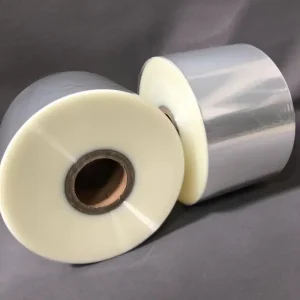
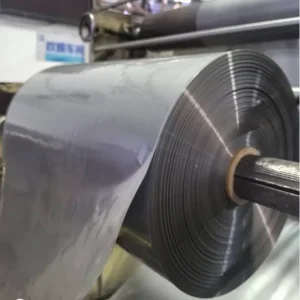
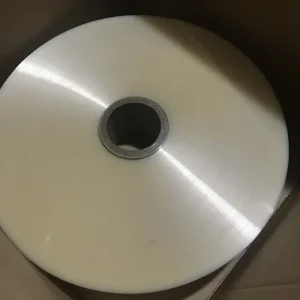
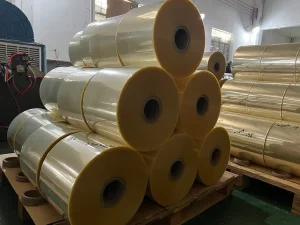
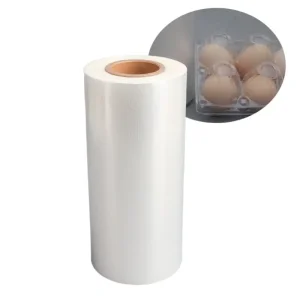
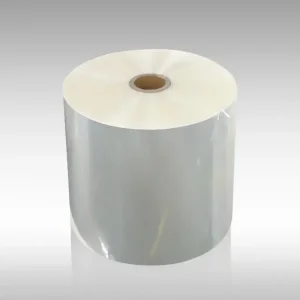
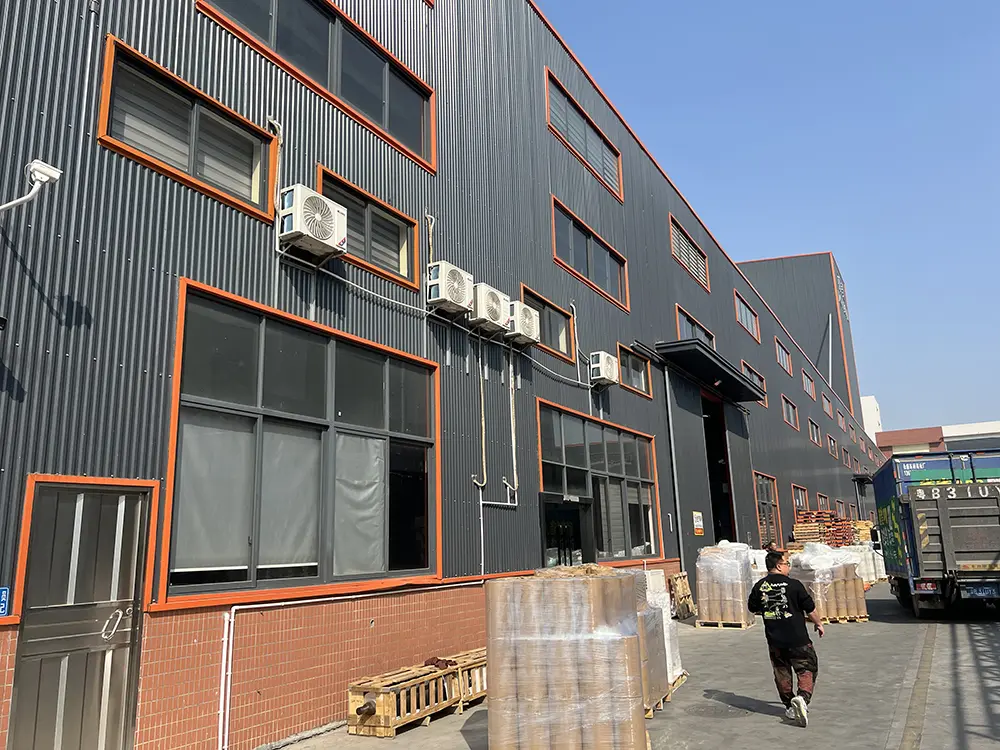
Zhongshan Tianchen New Materials Co., Ltd. is a premier, integrated packaging material manufacturer and procurement engine. Built on a foundation of more than 20 years of technical expertise in the polyolefin film industry, Tianchen has evolved into a global powerhouse for businesses seeking dependable film solutions.
Driven by a commitment to resource optimization, custom material formulation, and resolving supply-chain inefficiencies, we supply premium quality materials designed for diverse application fields. From barrier packaging systems to industrial protective layers, we serve as the primary engineering node between raw material polymers and high-yield end-product packaging lines.
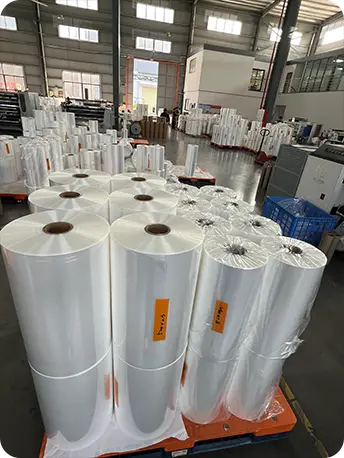
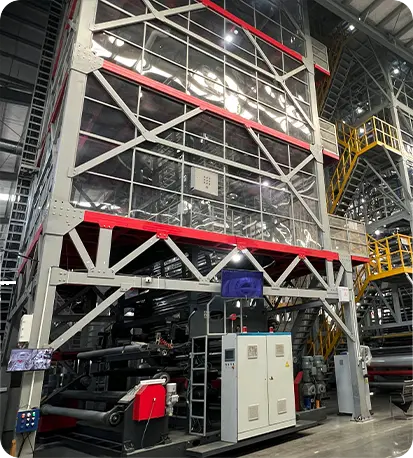
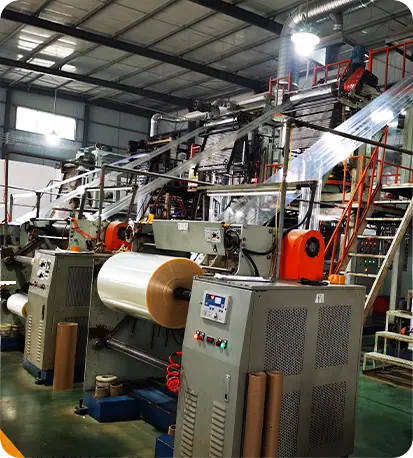
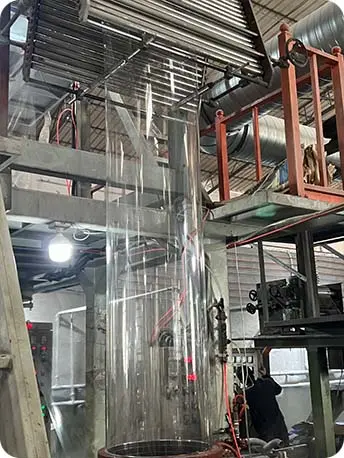
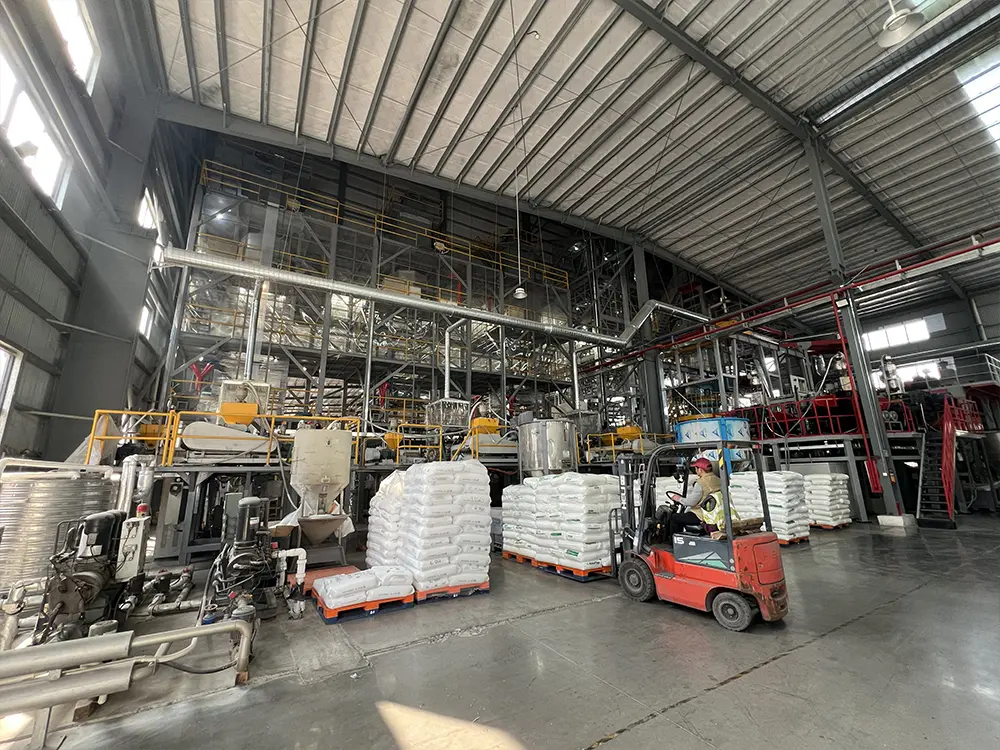
At Tianchen, quality control is woven into our core operating procedure. Operating multiple state-of-the-art multi-layer co-extrusion production lines, our expert R&D teams constantly push the boundaries of polymer engineering. By implementing automated online thickness-gauging systems and rigorous laboratory stress-testing, we ensure every batch of film exhibits superior tensile strength, excellent coefficient of friction (COF) stability, and perfect heat-sealing parameters.
This large-scale manufacturing capability allows us to support massive global demand while maintaining tight tolerances. For global packaging machinery users, converters, and brand owners, Tianchen stands out as a reliable strategic partner that delivers high-performance packaging films on time, every time.
Exploring the systemic shifts in flexible packaging, consumer goods protection, and the strategic positioning of Cast Polypropylene
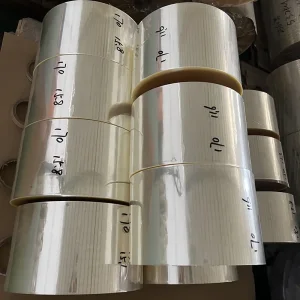
The global flexible packaging sector is witnessing a massive transition. As brands demand materials that offer a balance of economic feasibility, barrier protection, and high-speed processing, Cast Polypropylene (CPP) film has emerged as an indispensable cornerstone. Unlike Biaxially Oriented Polypropylene (BOPP), CPP film is manufactured using a non-oriented cast extrusion method, granting it exceptional heat-seal strength, superior optical clarity, tear resistance, and outstanding mechanical properties at low temperatures.
Currently valued at billions of dollars globally, the CPP film market is projected to expand at a compound annual growth rate (CAGR) of over 5.5% through 2030. The rapid expansion is heavily driven by the booming ready-to-eat food sector, laminated pouch structural designs in e-commerce logistics, and the pharmaceutical industry’s strict hygienic compliance standards. With China acting as the major manufacturing hub, factories are investing in state-of-the-art European co-extrusion machinery to supply global distributors and converters with multi-layered films designed to reduce total packaging weights without compromising integrity.
Furthermore, the macro industrial environment is moving toward mono-material recycling structures. Globally, regulatory bodies are discouraging multi-material laminates (such as PET/PE or PET/AL/PE) due to sorting and recycling complications. A structured mono-PP laminate—pairing BOPP with a high-performance CPP sealant layer—creates a 100% recyclable polyolefin solution. This structural shift has positioned Chinese CPP film factories at the very center of green innovation, supplying high-performance sealants that facilitate clean, circular economy loops.
Deciphering the molecular composition, extrusion methods, and advanced coatings that define modern CPP performance
Modern packaging relies on 3-layer, 5-layer, or 7-layer cast structures. By co-extruding specialized PP block copolymers in the core layer alongside high-sealability random copolymers on skin layers, we produce materials that maintain low seal initiation temperatures (SIT) and exhibit strong hot-tack performance on automated fill-and-seal machinery.
Vacuum aluminum deposition (MCPP - Metallized Cast Polypropylene) increases oxygen (OTR) and moisture (WVTR) barrier properties exponentially. This provides a critical shield against ultraviolet radiation, extending the shelf-life of oxygen-sensitive goods like snack foods, roasted coffee, and powdered dairy products.
By incorporating precise, anti-blocking additives, slip agents, and executing inline corona treatments (typically >38-42 dynes/cm), we optimize the film’s surface tension. This ensures smooth ink adhesion during flexographic or rotogravure printing and guarantees low coefficient of friction (COF) for trouble-free machine runs.
One of the biggest technological breakthroughs in CPP film engineering is the development of Retortable CPP (RCPP). Food safety regulations require packaged, shelf-stable proteins and liquid meals to undergo heat sterilization under high pressure, typically ranging from 121°C to 135°C for up to 45 minutes. Standard packaging materials deform or delaminate under these conditions.
RCPP utilizes highly specialized block polypropylene resins formulated with elastomer phases. This structural formulation provides exceptional thermal dimensional stability and impact strength post-sterilization. The result is a highly functional packaging barrier that serves as the internal food-contact layer for retort pouches, effectively replacing tin cans and glass jars with lightweight, energy-efficient packaging alternatives.
How distinct commercial sectors deploy CPP and associated flexible packaging films for optimized performance
Vertical Form Fill Seal (VFFS) and Horizontal Form Fill Seal (HFFS) packaging machines require consistent film behavior. The low seal initiation temperature and fast thermal conduction of CPP ensure seal integrity even when running at speeds exceeding 120 bags per minute. Common uses include pasta, confectionery, and hardware component bags.
For fruits, fresh salads, and organic mushrooms, standard films fog up due to moisture condensation, encouraging mold growth. Anti-fog treated CPP films change the surface tension of water droplets, forcing them to spread in a thin layer, maintaining 100% optical transparency and preserving product freshness.
In prepared-meals and meat packing, CPP is laminated to rigid tray structures (APET, PP, or paperboard). The film provides a hermetic seal to retain Modified Atmosphere Packaging (MAP) gases, preventing oxidation and extending the display lifetime of proteins in grocery storefronts.
Because CPP exhibits excellent resistance to chemicals, grease, and high-temperature sterilization, it is widely utilized for cleanroom medical packaging, wrapping gauze, syringes, and sanitary goods. It acts as an absolute microbial barrier while allowing clean peel openings.
In alignment with global CSR mandates, converting CPP as the internal sealing layer in combination with a BOPP outer layer allows brands to use 100% recyclable, mono-material plastic packaging. This completely bypasses standard multi-layer tax rates imposed in the EU and North America, reducing supply-chain overhead while enhancing environmental profiles.
A comparative analytical look at the core physical and thermal properties of Cast Polypropylene (CPP) variations
| Property Parameter | Standard CPP (General Purpose) | Metallized CPP (MCPP) | Retort-Grade CPP (RCPP) | Testing Method Reference |
|---|---|---|---|---|
| Thickness Range | 20 to 80 Microns | 18 to 40 Microns | 40 to 120 Microns | ASTM D2103 |
| Haze (%) | < 2.5% (High Clarity) | Opaque / Reflective | < 4.0% (Medium-High) | ASTM D1003 |
| Gloss (45°) | > 85% | High Metallic Luster | > 75% | ASTM D2457 |
| Seal Initiation Temp (SIT) | 105°C - 115°C | 110°C - 120°C | 120°C - 130°C | Tianchen Internal Lab |
| Tensile Strength (MD/TD) | 35 / 30 MPa | 40 / 35 MPa | 45 / 38 MPa | ASTM D882 |
| MVTR (g/m²/24hrs) | < 6.5 (Standard Barrier) | < 0.5 (Ultra-High Barrier) | < 5.0 (High Barrier) | ASTM F1249 (38°C, 90% RH) |
| OTR (cc/m²/24hrs) | < 2500 | < 50 (Exceptional Barrier) | < 1800 | ASTM D3985 (23°C, 0% RH) |
Technical and logistical insights to assist global sourcing managers, packaging engineers, and procurement directors
 Tianchen Materials