High-performance heat-shrinkable packaging materials manufactured under strict ISO and RoHS standards to satisfy dynamic automation lines.
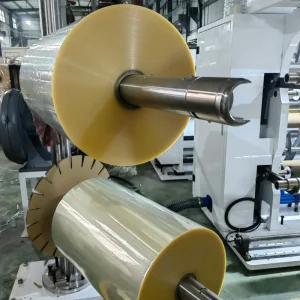
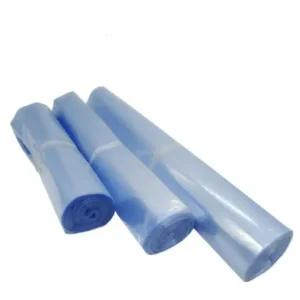
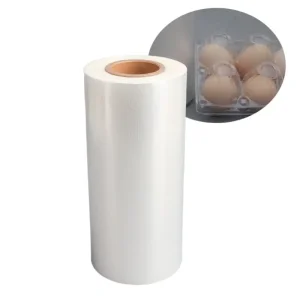
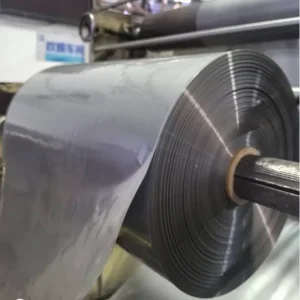
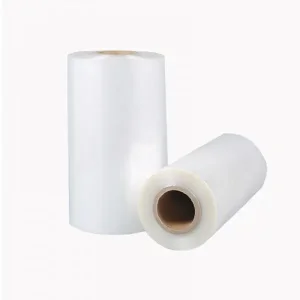
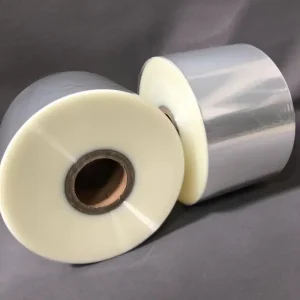
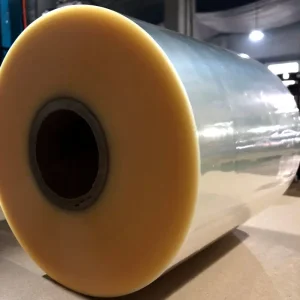
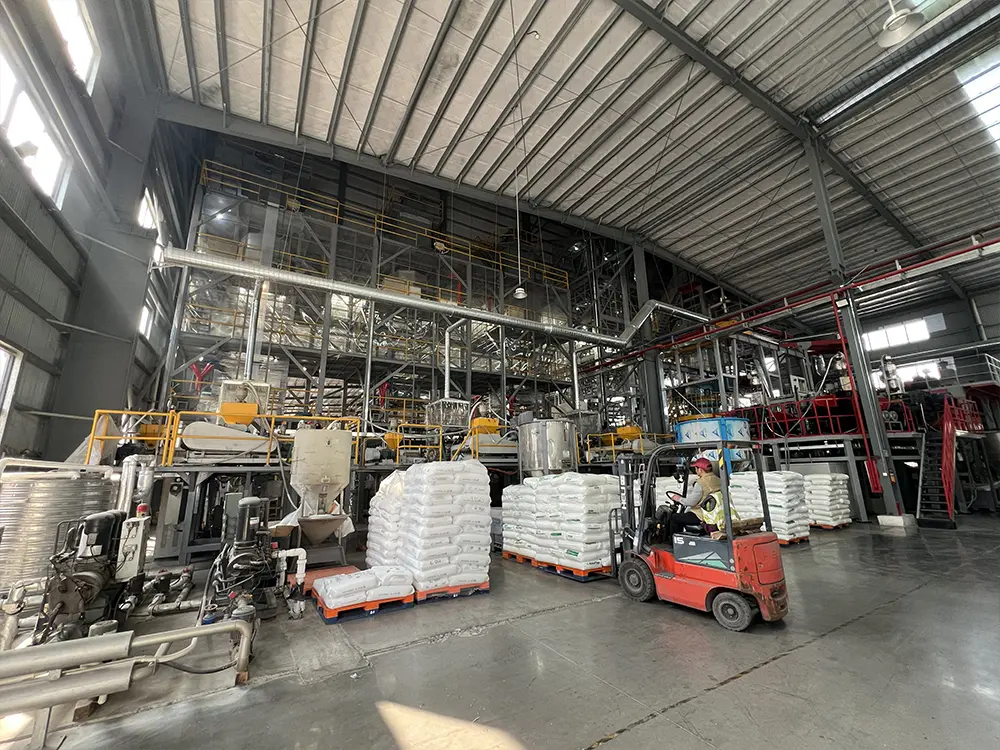
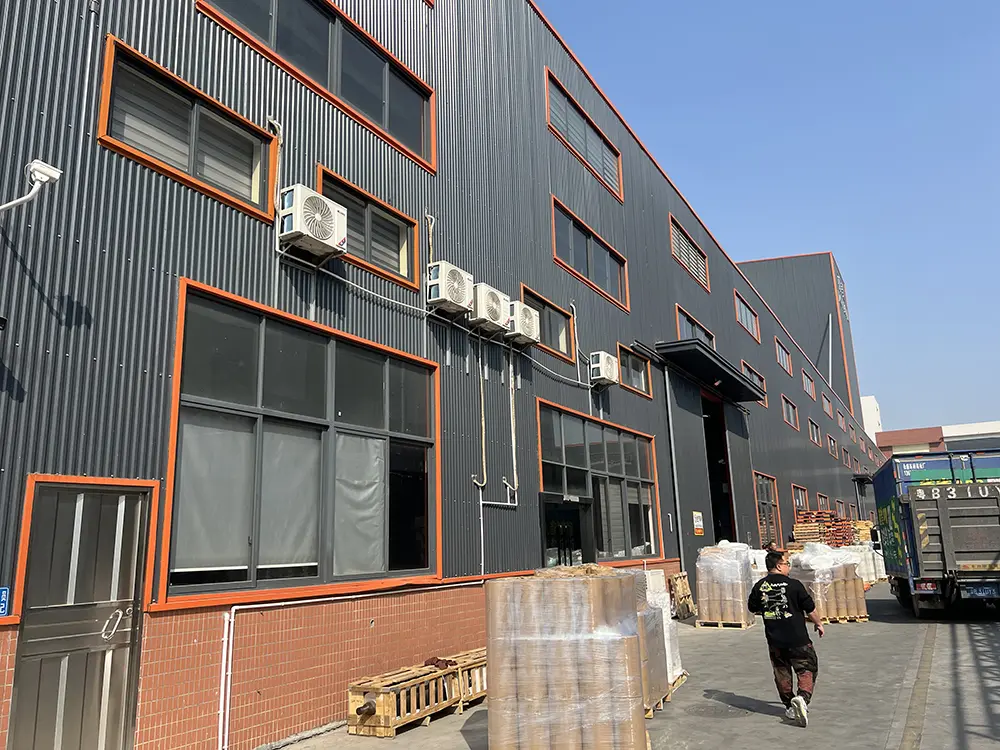
Zhongshan Tianchen New Materials Co., Ltd. is a premier manufacturing and distribution enterprise operating as a comprehensive packaging material procurement hub. Rooted in more than two decades of rigorous operational expertise within the polymer film and barrier packaging industry, Tianchen has unified research and development, raw material compound processing, and terminal application consulting.
Our business philosophy revolves around maximizing supply chain value, assuring raw materials pass EU REACH and FDA food contact regulations, and formulating high-speed film roll products that integrate seamlessly with high-speed automated packaging lines.
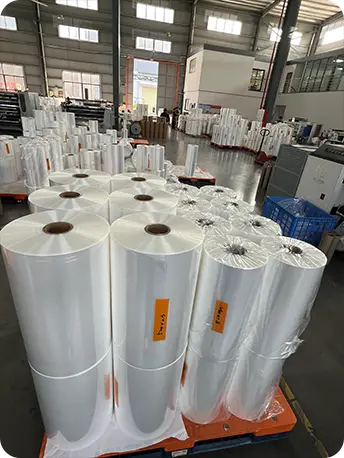
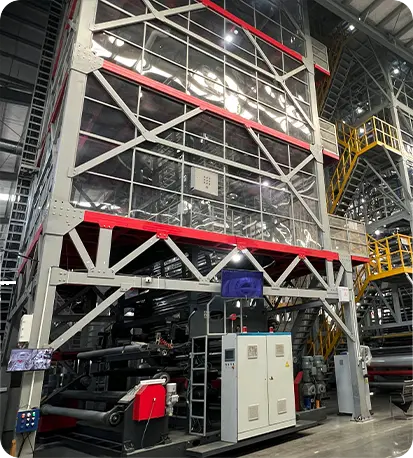
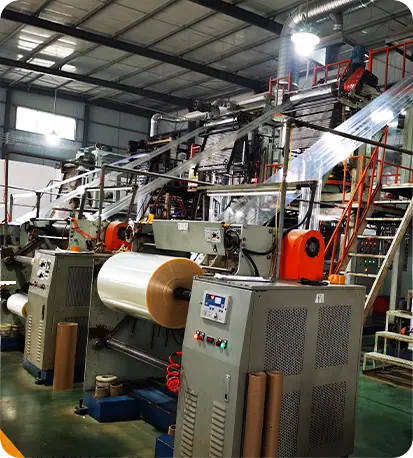
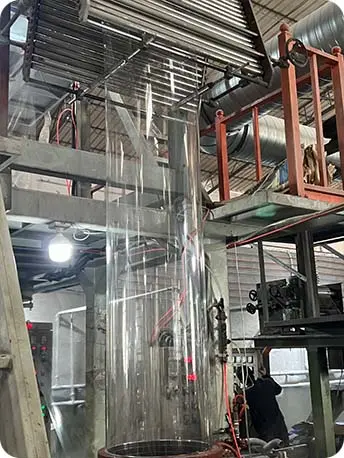
An in-depth technical analysis on the chemical compositions, mechanical variables, and optical parameters governing modern polyvinyl chloride shrink films.
Colored PVC shrink film, a thermal-responsive thermoplastic polymer compound, functions on the physical mechanism of structural orientation relaxation. During production, the suspension-polymerized PVC resin blend is processed through compounding extruders, where custom liquid or solid plasticizers, thermal stabilizers (such as non-toxic Calcium-Zinc systems), processing aids, and organic/inorganic color masterbatches are uniformly integrated. The molten material is extruded through a circular or flat die to form a thick primary tube or sheet, which is subsequently heated above its glass transition temperature (Tg ≈ 80°C) and stretched mechanical-wise in both the Machine Direction (MD) and Transverse Direction (TD).
This mechanical stretch freezes the macromolecular chains in an oriented, high-energy state. When end-users subject this film to heat tunnels (ranging between 110°C and 160°C), the frozen entropy is released, forcing the molecular structures to revert to their random coil state, which physically drives the dimensional contraction of the film around the target substrate.
In the contemporary global trade paradigm, colored PVC films serve a dual purpose: aesthetic brand differentiation and mechanical surface protection. While certain western markets exhibit regulatory pivots toward alternative polyolefin chemistries due to local waste stream sorting configurations, PVC remains a critical material globally. This is primarily attributed to its exceptional ink compatibility for gravure and flexographic printing, low activation temperatures, and distinct rigidity profiles required for fast-speed automated sleeve applicator systems.
To maintain competitiveness, Chinese exporters have transitioned from basic commodity suppliers to premium material formulators. Factories like Zhongshan Tianchen coordinate formulations to comply with the heavy-metal and plasticizer limits defined by global standards like EU 10/2011, US FDA Title 21, and RoHS, enabling global clients to integrate these films into global supply chains without regulatory delays.
| Material Class | Typical Thickness (μm) | Transverse Shrinkage (TD %) | Machine Shrinkage (MD %) | Min. Shrink Temp (°C) | Key Applications |
|---|---|---|---|---|---|
| Colored PVC | 30 – 70 | 45% – 55% | 3% – 8% | 90°C | Wine caps, tamper-evident neck bands, batteries, heavy-duty labels |
| POF (Polyolefin) | 12 – 25 | 60% – 65% | 60% – 65% | 120°C | Multi-packs, food trays, books, consumer cosmetics boxes |
| PET-G (Polyester) | 40 – 50 | 70% – 78% | 0% – 3% | 75°C | Contoured bottles, high-shrink sleeve labeling, aerosol cans |
| PE (Polyethylene) | 50 – 150 | 20% – 30% | 50% – 70% | 150°C | Collation shrink, beverage trays, industrial construction bundles |
Analyzing the mechanical performance and physical advantages of custom formulated shrink wrap systems across global industries.
Engineered PVC film with a precise transverse contraction profiles to provide close fit on glass closures. Features matte finishes, custom metallic coloring, and tear-tab compatibility.
Colored PVC film with critical dielectric breakdown voltage capacity. Delivers insulation for dry-cell and lithium-ion battery groupings with high resistance to chemicals and scratching.
Perfect for pharmaceutical containers and cosmetics. Prevents contamination by applying colored, heat-collapsed closures that display clear evidence of unauthorized access upon breaking.
The next-generation colored PVC formulation research concentrates heavily on replacing traditional organotin and barium-zinc stabilizer systems with bio-based alternatives derived from natural oils. Furthermore, processing laboratories are integrating hyper-branched polymers to lower melt viscosity, which facilitates thinner gauges without sacrificing tensile properties.
Concurrently, to resolve processing constraints in regions with fluctuating grid systems, the design of new PVC formulations aims to lower the activation energy required for contraction. Reducing shrink tunnel temperatures from 140°C down to 105°C translates to direct electricity savings for high-volume end-users, lowering the operational carbon footprint while extending the lifespan of shrink tunnel heating elements.
Expert responses to structural issues, application optimization, and material handling of colored shrink films.
High-clarity, high-tensile, and eco-compliant shrink wrap formulations designed for demanding global industrial packaging applications.
 Tianchen Materials