The demand for Cpp Heat Seal Film is on the rise globally, driven by its versatility and efficiency in packaging solutions. According to a recent market analysis by Grand View Research, the global market for heat seal films is expected to reach $3.14 billion by 2026. This underscores the growing importance of Cpp Heat Seal Film in various sectors including food, pharmaceuticals, and consumer goods.
Manufacturers emphasize reliability and quality when choosing Cpp Heat Seal Film. The film's ability to provide airtight seals enhances product longevity. However, challenges remain. Not all suppliers meet industry standards, leading to potential quality variations.
Design innovations are continually emerging, with companies investing in R&D to improve film performance. Buyers must evaluate their options carefully. They must consider both the technical specifications and the environmental impact. Increasingly, buyers seek films that are recyclable and sustainable. This creates an opportunity for developing greener Cpp Heat Seal Film options that meet consumer expectations and global regulations.
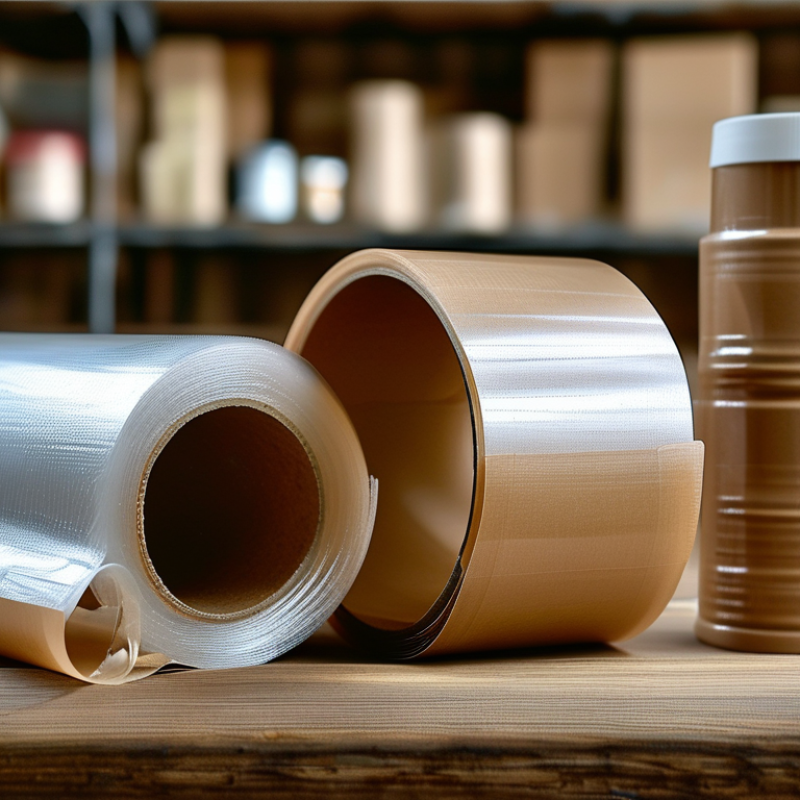
CPP (Cast Polypropylene) heat seal films are versatile materials widely used in various packaging applications. These films are known for their excellent sealability and clarity. They are often chosen for packaging food products, as they provide barrier properties that help maintain freshness. The ability to customize thickness and surface properties further enhances their appeal.
When selecting CPP heat seal films, consider the specific requirements of your packaging process. Pay attention to the sealing temperature and time, as these factors can affect the integrity of the package. Testing different film conditions can lead to improved performance. Additionally, ensure that the film is compatible with the contents being packaged, as some materials may react adversely.
Packaging industries are constantly evolving. It's crucial to stay informed about the latest innovations in CPP film production. Investigate sustainable options, as consumer preferences are shifting towards eco-friendly materials. Many buyers are exploring biodegradable alternatives, which could reshape the market. Understanding these trends can guide your purchasing decisions effectively. Experimentation with various film types is often necessary to find the best fit for your needs.
When choosing CPP heat seal film, understanding key factors is essential. Start with clarity and density. Clarity impacts product visibility. A higher density typically means better barrier properties. These features often play a role in shelf life and consumer appeal. Assess your needs based on the product you’re packaging.
Another important aspect is heat seal temperature and timing. Films require specific conditions to achieve a reliable seal. Inadequate sealing can lead to product spoilage or damage. Testing various conditions can be necessary for optimal results. You may find that not every approach works for every product.
Compatibility with printing processes is also vital. Some CPP films are easier to print on than others. If branding is crucial, consider this factor carefully. A lack of printability may affect your marketing efforts. Overall, the right CPP film balances functionality and presentation. Individual testing may be needed to find the best match for your specific applications.
The CPP heat seal film market is experiencing significant growth with many prominent manufacturers emerging in 2026. Reports indicate that the global demand for CPP films has increased by over 15% annually. This growth is driven by their applications in packaging for food, pharmaceuticals, and consumer goods. The rising awareness about food safety and hygiene is fueling this trend. Additionally, the flexibility and moisture barrier properties of CPP films contribute to their popularity.
Leading manufacturers are investing heavily in research and development. They aim to enhance film properties while reducing production costs. Industry data suggests that sustainability is also a major focus. Many companies are transitioning to eco-friendly materials. This shift is aligned with consumer preferences for environmentally friendly products. However, the challenge remains in balancing performance with sustainability.
Despite advancements, some issues persist. Quality control in large-scale production is crucial yet difficult. Variations in thickness and seal strength can lead to product defects. This inconsistency can affect overall market trust. Even established manufacturers face hurdles in meeting diverse customer needs. The competition is fierce, necessitating constant innovation and adaptation. The future of CPP heat seal films will depend on addressing these challenges effectively.
When evaluating CPP heat seal film options, global buyers must consider various factors. CPP films are widely used in food packaging due to their excellent sealing properties and barrier performance. Research indicates that the global CPP heat seal film market is anticipated to reach USD 1.2 billion by 2026, with a compound annual growth rate of 6.5%.
Key aspects to analyze include thickness, transparency, and mechanical strength. Thicker films tend to offer better protection but may result in higher costs. Transparency is crucial, especially in food packaging, as it enhances product visibility. An industry report revealed that films with a thickness of 50 to 75 microns show optimal performance in many applications.
While many industries rely on CPP films, buyers should also reflect on their environmental impact. The production of CPP films generates significant waste, raising concerns about sustainability. Some manufacturers are working on biodegradable alternatives, but these often face performance challenges. Buyers need to weigh the benefits against the drawbacks to make informed decisions.
The CPP heat seal film market is evolving. With increasing demand for sustainable packaging, manufacturers are adapting. Innovations in material composition are on the rise. These advancements aim to improve barrier properties and recyclability. Buyers are seeking films that minimize environmental impact. This trend reflects a broader commitment to sustainability.
Cost-effectiveness remains a significant factor for buyers. As production methods improve, prices are becoming more competitive. However, not all products guarantee the same quality. Buyers must navigate this landscape carefully. Balancing cost and quality is crucial. Increased competition might lead to compromises in material strength or seal integrity.
User preferences are shifting towards customizable options. Brands are interested in films that accommodate specific requirements. This need for customization pushes manufacturers to innovate continuously. Yet, not every supplier can meet these demands. Some buyers report challenges in finding reliable sources. Trust in suppliers is essential for long-term partnerships. Identifying dependable partners can significantly impact production efficiency.
: CPP heat seal films are commonly used in food packaging and other applications due to their excellent sealability.
Sealing temperature affects the integrity of the package. Incorrect temperatures can lead to weak seals.
Thicker films provide better protection, but they also tend to be more expensive than thinner options.
Buyers must ensure the film is compatible with packaged materials to avoid adverse reactions during storage.
The market is growing significantly, driven by increased demand in food safety and hygiene conscious packaging.
Many manufacturers aim for eco-friendly materials, but balancing performance and sustainability remains a challenge.
Transparency enhances product visibility, which can be crucial for attracting consumers in food packaging.
Quality control can be challenging, leading to variations in thickness and seal strength that affect product quality.
The global CPP heat seal film market is expected to reach USD 1.2 billion by 2026.
Buyers need to weigh the environmental impact of waste produced against the performance benefits of CPP films.
CPP Heat Seal Film is an essential packaging solution widely used in various industries due to its excellent sealing properties and versatility. This article explores the fundamental aspects of CPP Heat Seal Film, including its diverse applications, which range from food packaging to industrial uses. When selecting the right CPP Heat Seal Film, buyers should consider key factors such as thickness, sealing temperature, and compatibility with different substrates.
The article also highlights top global manufacturers as of 2026, providing insights into the competitive landscape of the CPP Heat Seal Film market. A comparative analysis of the available options worldwide will aid buyers in making informed decisions. Furthermore, emerging trends that are shaping the future of the CPP Heat Seal Film market are discussed, emphasizing innovation and sustainability, which are crucial for adapting to changing consumer demands.

Tianchen Materials