Choosing the right Pvc Shrink Film Roll can make the difference between a clean, secure pack and one with loose corners, cloudy patches, or heat damage. The best choice depends on more than price. Film thickness, shrink ratio, clarity, seal strength, and compatibility with your equipment all matter. A roll that looks suitable on a supplier’s specification sheet may behave differently on a fast-moving line. Test it with your actual product and settings.
Packaging researcher Dr. Susan Selke is a recognized expert in packaging materials, but no source was provided to verify a direct quotation from her about PVC shrink film. Rather than invent one, this guide follows a practical principle: judge film by how reliably it performs on the package. Watch the edges. Check the seams. Look for even shrinkage and readable labels.
These seven tips will help you compare options with greater confidence. You’ll consider product shape, film type, gauge, shrink performance, roll width, storage, and supplier support. Some details are easy to overlook. They shouldn’t be. A small test run can reveal wrinkles or weak seals before they affect a full production order.
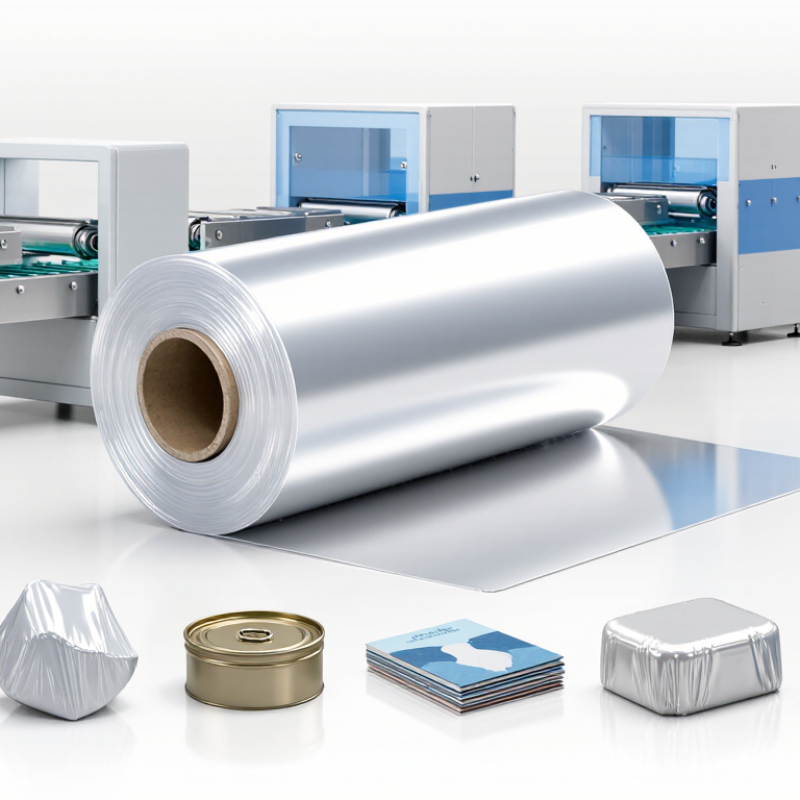
PVC shrink film is valued for clarity, conformability, and reliable shrinking, but those properties vary by formulation and gauge. A clear roll should let you inspect labels and product edges without cloudy patches. Check thickness consistency across the roll; thin spots can wrinkle or split around corners. PlasticsEurope’s Plastics—The Fast Facts 2024 reports 413.8 million tonnes of global plastics production in 2023. That figure describes all plastics, not PVC shrink film specifically, so it cannot predict a roll’s performance. Ask for the film’s own technical data and test conditions.
Shrink response matters. Request measured shrinkage in both machine and transverse directions at a stated temperature, rather than relying on one headline percentage. ASTM D2732 provides a method for measuring free thermal shrinkage; ASTM D1003 measures haze and light transmission. These tests make supplier comparisons more useful. Seal strength and puncture resistance also affect how a finished pack handles sharp corners and routine transport. A film that shrinks quickly may still distort a delicate container. There is a trade-off. Test a short roll on your actual equipment, with your product and heat settings; lab figures alone can miss a stubborn seam or uneven tunnel.
| Tip | Property or Dimension | Practical Guidance | What to Verify |
|---|---|---|---|
| 1. Match the film to the product | Film format and product shape | Choose center-folded, single-wound, or tubing film to suit the package and sealing method. Center-folded film is commonly used for products that need a sleeve around multiple sides. | Product dimensions, package configuration, seal type, and the available shrink equipment. |
| 2. Select a suitable thickness | Gauge or thickness | PVC shrink film is available in a range of gauges. Roughly 12–50 microns (about 0.5–2.0 mil) is a commonly encountered range, but the appropriate gauge depends on package weight, shape, and handling needs. | Specified thickness and tolerance; test samples with the actual product rather than selecting by thickness alone. |
| 3. Check shrink performance | Shrink ratio and shrink temperature | PVC shrink performance varies by formulation and film direction. Many grades are designed to shrink under heat commonly encountered in shrink tunnels, but there is no single temperature or shrink percentage that applies to every roll. | Machine settings, recommended processing window, and machine-direction and transverse-direction shrink data from the film specification. |
| 4. Evaluate clarity and appearance | Transparency, gloss, and haze | PVC shrink film is often selected for its clear, glossy finish, which can make labels and product details visible. Appearance can vary with grade, thickness, processing, and storage conditions. | Clarity on the finished pack, print compatibility if needed, and any stated optical specifications. |
| 5. Confirm sealing and strength | Sealability, tear resistance, and puncture resistance | Film performance depends on both the formulation and the sealing conditions. Product corners, sharp edges, and bundle weight can affect the chance of splits or weak seals. | Seal integrity at the intended line speed, package corners, and performance after handling and transport tests. |
| 6. Check roll dimensions and unwind | Roll width, length, core size, and winding | The roll must fit the equipment and provide enough film for the package layout. Consistent winding and a compatible core help reduce tracking and changeover issues. | Usable width, roll length, core diameter, roll outside diameter, winding direction, and dimensional tolerances. |
| 7. Review storage and end-of-life needs | Storage conditions and local recycling options | Store rolls clean and dry, away from excessive heat and direct sunlight, and follow the supplier’s storage guidance. PVC contains chlorine, and acceptance of PVC film in recycling programs varies by location and collection system. | Shelf-life guidance, local disposal or recycling rules, and any packaging or regulatory requirements for the intended market. |
Note: Typical values and performance ranges vary by formulation and supplier. Confirm the current technical data sheet and run a packaging trial before placing a production order.
Check clarity against a printed grid for haze, pinholes, uneven thickness, and curled edges. Make sure the roll unwinds smoothly without sticking or tearing.
Ask for measured shrinkage in both machine and transverse directions, with the test temperature stated. One percentage alone may not tell the whole story.
Thin spots can wrinkle or split around sharp corners. Check several sections from different parts of the roll.
No. Confirm the film’s intended use, temperature range, and handling guidance before testing it. Clear appearance does not prove suitability for direct food contact.
Run a short sample using your product and normal heat settings. Watch for wrinkles, weak seals, distortion, or uneven shrinking. Lab figures can miss a stubborn seam.
Seal strength and puncture resistance matter, especially around sharp edges. A fast-shrinking film may still distort a delicate container.
Ask for current product data, thickness specifications, lot identification, and realistic lead times. Vague answers are a reason to pause.
Record roll numbers, machine settings, and test results. Compare a small order before committing to regular volume. Easy to overlook.
Choosing the right Pvc Shrink Film Roll starts with understanding how PVC film responds to heat, folds around products, and provides a clear, secure finish. First, define the product’s size, shape, weight, and protection needs so the film suits the package rather than simply matching a general specification. Then compare thickness and width, along with shrink performance, to find a balance between a neat fit, durability, and efficient material use.
Before making a selection, confirm that the roll works with your packaging equipment and its operating settings. Consider film quality, consistency, and suitability for the intended packaging environment, and request samples when practical to check performance. Finally, assess the supplier’s reliability by reviewing product information, communication, and ability to provide consistent specifications. A careful evaluation of these factors can help you choose a film that packages products effectively and supports a smooth, dependable workflow.

 Tianchen Materials