Choosing the right PVC heat shrink film labels can significantly impact product branding and packaging. The global market for heat shrink label solutions was valued at approximately $3.8 billion in 2021, with an expected growth rate of 4.6% annually through 2028. As companies aim for sustainability, the demand for high-quality labels is on the rise. Experts suggest that investing in durable materials can reduce waste and improve the overall aesthetic of packaging.
Dr. Emily Thompson, a leading figure in the packaging industry, once stated, “The choice of labeling material is crucial for achieving both functionality and visual appeal.” Her insights highlight the importance of selecting PVC heat shrink film labels that not only adhere properly but also enhance the product's shelf presence. However, manufacturers can sometimes overlook the balance between cost and quality, resulting in labels that may not perform well under various environmental conditions.
While the advantages of PVC heat shrink film labels are clear, some challenges remain. Issues such as print durability and compatibility with different surfaces must be taken into account. Therefore, a comprehensive evaluation of materials, print technology, and supplier reliability is essential when making a selection.
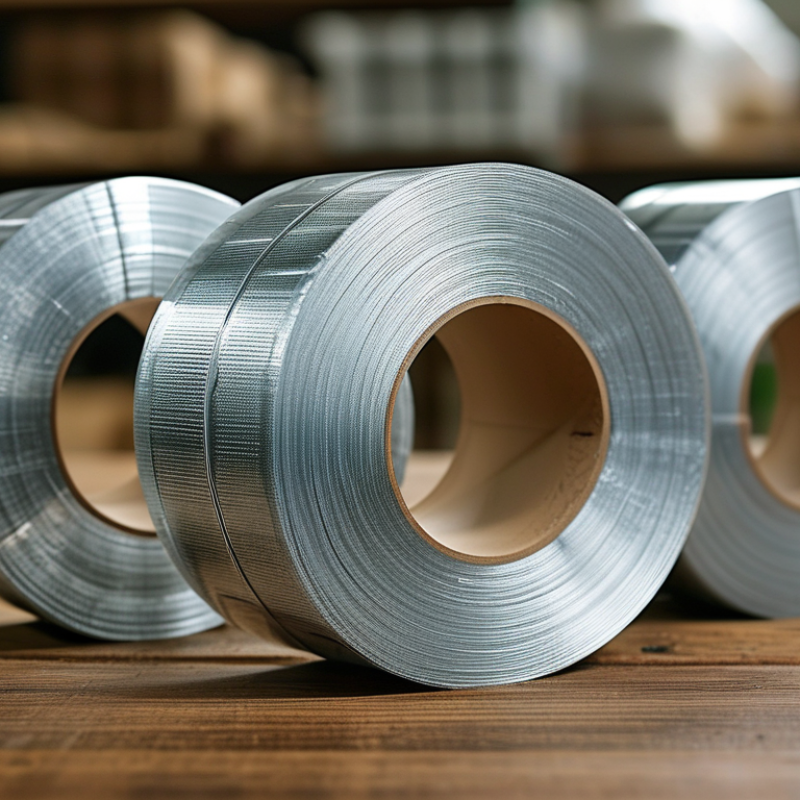
PVC heat shrink film labels are versatile solutions widely used for packaging, labeling, and product identification. These labels contract when exposed to heat, forming a tight, protective layer around various products. Common applications include beverage bottles, cosmetic containers, and electronic devices. According to a recent industry report, the global demand for heat shrink film is expected to grow by 5% annually over the next five years, driven by the rising need for efficient packaging solutions.
When choosing PVC heat shrink film labels, consider factors like thickness, shrinkage ratio, and print quality. A thinner film can provide better clarity, while a higher shrinkage ratio ensures a snug fit. Some professionals suggest conducting tests to evaluate how well the film adheres to different surfaces. This process aids in identifying potential challenges early on.
Tips: Always prioritize material compatibility to avoid adhesion failure. Analyze the type of ink and surface finish used for printing, as they greatly influence the final product's appearance. Even minor imperfections can adversely affect the shelf appeal of the labeled products. Regularly using sample runs will help fine-tune choices in film selection and application techniques.
| Label Type | Usage | Temperature Resistance | Thickness | Shrink Ratio |
|---|---|---|---|---|
| Standard PVC Labels | Product labeling, packaging | -40°C to 85°C | 50 microns | 2:1 |
| Heavy-Duty PVC Labels | Industrial applications | -40°C to 105°C | 100 microns | 3:1 |
| Clear PVC Labels | Branding, cosmetics | -30°C to 80°C | 75 microns | 2:1 |
| Colored PVC Labels | Specialty products | -20°C to 90°C | 50 microns | 2:1 |
| Shrink Sleeve Labels | Beverage, food industry | -30°C to 100°C | 60 microns | 3:1 |
: These labels shrink when exposed to heat, forming a tight layer around products.
They are often used on beverage bottles, cosmetic containers, and electronic devices.
Consider thickness, shrinkage ratio, and print quality for the best results.
Thicker films are durable, while thinner films are flexible but may tear easily.
Dust and moisture can hinder adhesion, negatively affecting label durability.
Use a heat gun with adjustable settings to control the shrinking process effectively.
Always measure the label size against your product to ensure a snug fit.
Yes, testing a small sample can uncover potential issues before large-scale use.
Overheating can deform the label, affecting its appearance and functionality.
Yes, specific adhesives work better on different surfaces, so testing is essential.
PVC heat shrink film labels are versatile labeling solutions used across various industries due to their ability to conform to the shape of the packaged product, ensuring a clean and professional appearance. When selecting PVC heat shrink film labels, it is crucial to understand their applications, the different types available, and the key factors that influence their performance.
Key considerations include the environment in which the labels will be used, the required durability, and the product's specific labeling needs. It's also important to assess the durability and performance of PVC heat shrink film labels to ensure they withstand conditions such as temperature changes and moisture. Proper application techniques are essential for achieving optimal results, allowing businesses to utilize PVC heat shrink film labels effectively to enhance product appearance and compliance.

 Tianchen Materials