In today's packaging industry, Pe Packaging Film has emerged as a vital component for various applications. According to the "Global Flexible Packaging Market Report 2023," the demand for flexible packaging is projected to reach $300 billion by 2025, driven by the need for lightweight and durable materials. This trend indicates the growing importance of selecting the right type of packaging film to meet diverse needs.
Understanding the specific requirements of your product is crucial when choosing Pe Packaging Film. Factors such as barrier properties, thickness, and transparency can significantly impact shelf life and consumer appeal. Recent studies show that improper selection can lead to product spoilage, loss of freshness, and increased waste. Thus, it's essential to weigh your options carefully and align your choices with market standards.
Despite the abundant options available, navigating the complexities of Pe Packaging Film can be challenging. Industry experts emphasize the importance of compatibility with your product's characteristics. This requires a balance between cost and quality, which may not always be straightforward. A misstep can result in higher long-term costs and damage to brand reputation. Exploring the nuances of Pe Packaging Film will ultimately lead to better packaging solutions tailored to your specific needs.
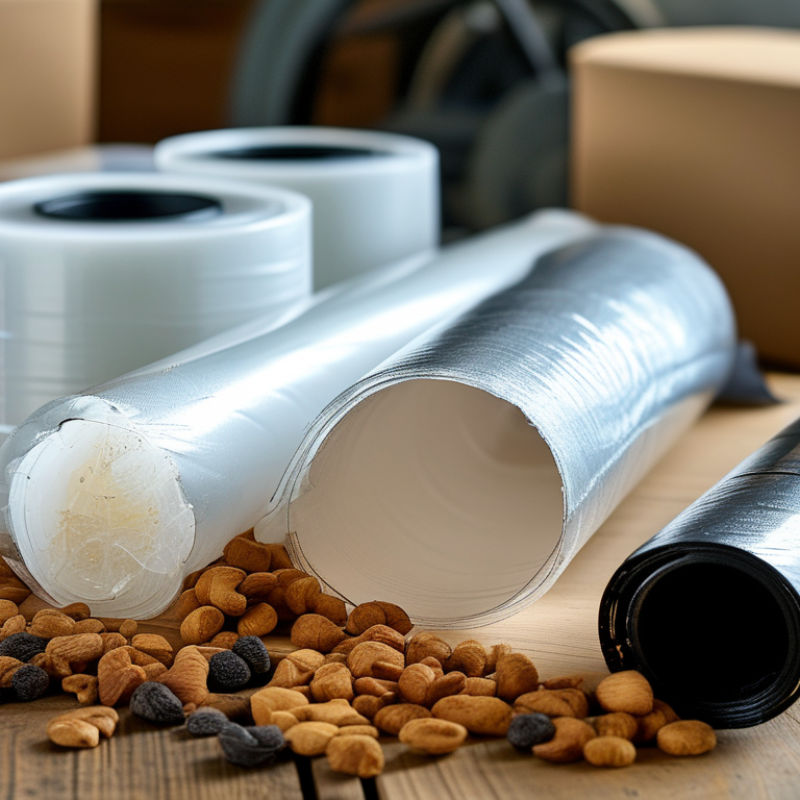
Understanding PE Packaging Film and Its Applications
PE packaging film is widely used across various industries. It offers flexibility, durability, and moisture resistance. Many businesses prefer it for food packaging, agricultural use, and industrial applications. The film is lightweight, which reduces shipping costs. Its clarity allows consumers to view products without opening the packaging. Companies often choose PE film for branding purposes.
Understanding its applications is crucial. For food packaging, it helps extend shelf life. In agriculture, it protects crops and enhances growth. Industrial use includes wrapping products and protecting them during storage or transit. However, using PE film requires careful consideration of thickness, tensile strength, and the specific environment it will be exposed to.
Some challenges arise when selecting the right film. Not all PE films offer the same barrier properties. It's essential to align the film's characteristics with the intended purpose. Conducting tests can provide insights into performance. Companies may experiment with different variations before settling on the ideal option.
Identifying Your Packaging Needs and Requirements
Identifying your packaging needs is crucial when choosing the best PE packaging film. The first step involves understanding the specifications required for your products. Certain products demand higher durability levels. Others may need features like barrier protection against moisture or gases. According to a market report by Smithers, the global flexible packaging market is predicted to reach $450 billion by 2027. This growth highlights the increasing importance of selecting the right film for diverse applications.
Consider the environmental impact as well. Reports show that 60% of consumers prefer sustainable packaging solutions. This trend indicates a need for films that not only protect products but also align with eco-friendly practices. Degradable and recyclable options are increasingly available. However, not all films can provide the same level of protection. Thus, balancing sustainability with functionality becomes essential.
Additionally, assessing the cost-effectiveness of different films is important. Some high-performance films may come with a steep price tag but offer enhanced benefits. It's vital to weigh these options to avoid overspending without adequate returns. Companies should also contemplate potential changes in demand or regulations that may influence their packaging choices in the future. Clearly identifying these factors can streamline the selection process and lead to better overall outcomes.
How to Choose the Best PE Packaging Film for Your Needs?
| Feature |
Description |
Considerations |
| Thickness |
Measured in microns, affects strength and flexibility. |
Choose based on product weight and fragility. |
| Transparency |
Clarity for visibility of the product inside. |
Important for retail display items. |
| Sealability |
Ease of sealing to ensure protection. |
Evaluate sealing methods available. |
| Resistance |
Resistance to punctures, tears, and chemicals. |
Assess product and storage environment conditions. |
| Environmental Impact |
Biodegradable or recyclable options available. |
Consider sustainability goals for your packaging. |
Evaluating Different Types of PE Packaging Films
Choosing the right PE packaging film is crucial for various applications. Different types of PE films, such as low-density (LDPE) and high-density (HDPE), each have unique properties. LDPE is flexible and ideal for lightweight products, while HDPE offers more strength and is better suited for heavier items. Evaluating their characteristics can guide you in making the right choice based on your needs.
When considering PE films, think about the thickness and clarity. Thicker films typically provide better protection but may reduce transparency. Clarity is vital for showcasing the product. If you're packaging food items, opt for films that meet safety standards and are suitable for direct contact. Look for certifications that affirm the quality and safety of the materials used.
Choosing the right film isn't always easy. Sometimes, trial and error is part of the process. Testing different options can help you find the perfect fit for your products. Keep in mind that environmental factors, like temperature and humidity, can affect the film's performance. Evaluate how the chosen film will hold up in various conditions to ensure reliability over time.
Comparing Cost, Quality, and Supplier Options
When selecting PE packaging film, comparing cost, quality, and supplier options is crucial for effective decision-making. According to a 2022 industry report, the global PE film market is projected to grow at a CAGR of 4.5% from 2023 to 2028. Key factors such as material thickness, clarity, and puncture resistance impact both performance and pricing. A thinner film may reduce costs but can compromise durability, leading to increased waste and potential losses.
Quality is a vital consideration that often correlates with supplier reputation. Studies indicate that packaging failures account for 15% of product returns. This statistic serves as a stark reminder of the importance of quality assurance in packaging solutions. While low-cost suppliers may seem attractive, evaluating their material sourcing and production standards is essential. Certifications like ISO and compliance with food safety regulations can provide insights into supplier credibility.
Engaging with multiple suppliers can reveal varying product options. Price differences can be significant, depending on the supplier's location and economies of scale. Some suppliers may charge premium prices for enhanced performance, while others offer competitive rates for basic products. However, it's vital to assess whether lower prices come at the expense of quality and reliability. The effectiveness of your packaging hinges on these choices, as any misstep can lead to costly consequences.
Comparison of PE Packaging Film Options
Making the Final Decision: Factors to Consider
When selecting the best PE packaging film, several factors play a crucial role. The type of application is a primary consideration. For food packaging, films with high UV resistance are necessary to ensure product freshness. According to industry reports, the global demand for PE films is projected to grow at a CAGR of 4.5% over the next five years, reflecting evolving packaging needs.
Film thickness is another important aspect. Thicker films tend to offer better durability but may reduce flexibility. Conversely, thinner films are more cost-effective but might compromise protection. Balancing these factors is key to optimizing costs and performance.
Choosing the right type of sealing technology is also essential. Depending on the product's nature, different seal types, like heat seal or cold seal, may be more appropriate. Manufacturers often test multiple combinations to identify the most effective solution, emphasizing the need for thorough evaluation.
Understanding environmental impact is increasingly relevant. Many companies are looking for sustainable options. Recyclability and biodegradability are hot topics in the industry. Packaging that meets these criteria can make a brand more appealing to eco-conscious consumers.
There may be uncertainties in requirements. Regular reassessment is crucial as film technology advances. Always consider feedback from end-users as it helps refine material choices and improves overall satisfaction.
Conclusion
Choosing the right PE packaging film involves a thorough understanding of its various applications and the specific needs of your packaging. It is essential to identify your requirements, such as the type of products being packaged and the environmental conditions they will face. Evaluating the different types of PE packaging films available can help you ascertain which specific film meets your functional needs, whether it’s for durability, flexibility, or barrier properties.
Additionally, comparisons of cost, quality, and supplier options are crucial in this decision-making process. Factors such as the thickness of the film, the clarity required, and the presence of any special features should be taken into account. Ultimately, making an informed final decision requires balancing these elements to ensure that the chosen PE packaging film not only fits your budget but also maintains high quality and reliability for your packaging needs.

 Tianchen Materials