In the ever-evolving world of packaging materials, "Low Temperature POF" films have emerged as a game changer. Leading experts, like Dr. Rachel Kim, emphasize their significance. She stated, "Low Temperature POF films offer unmatched flexibility and durability under various conditions." This highlights their potential to meet diverse market demands.
As global buyers seek efficient solutions, Low Temperature POF films provide a promising option. Their performance in low temperature settings allows for better preservation of perishable goods. This feature is crucial for industries such as food and pharmaceuticals, where maintaining freshness is essential.
However, it’s important to navigate the complexities of selecting the right materials. Not all Low Temperature POF films are created equal. Buyers must consider the specific needs of their products and the environmental impact of their choices. This thoughtful approach can lead to better outcomes in efficiency and sustainability.
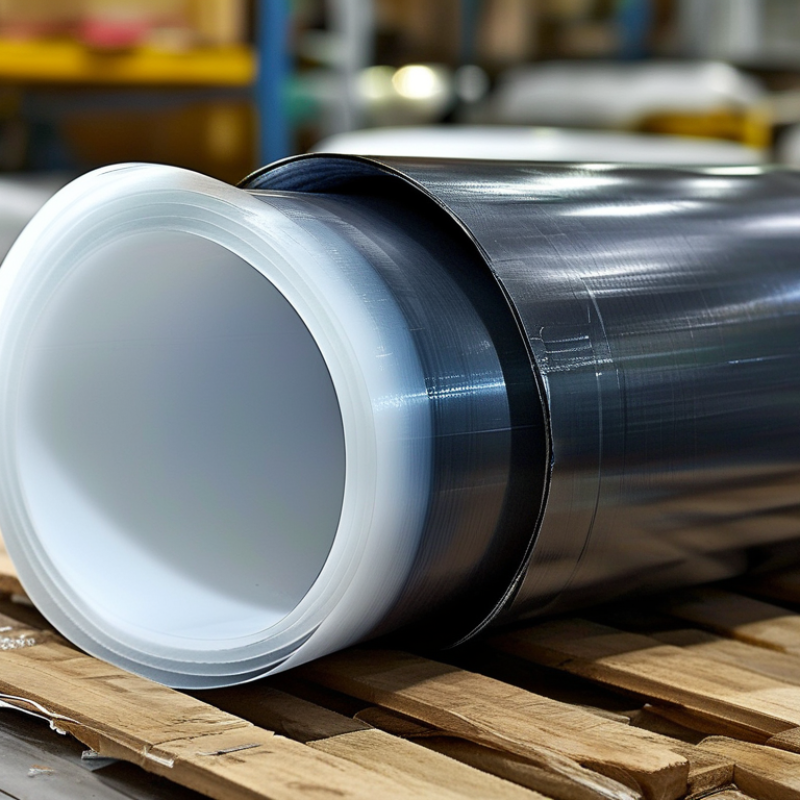
Low Temperature POF (Polyolefin) films are becoming essential in various industries. Their applications span food packaging, medical supplies, and electronics. These films perform well in cooler conditions, providing a reliable solution for temperature-sensitive products. In food packaging, they extend shelf life and maintain product quality.
Medical applications also benefit greatly from low-temperature POF films. They create sterile barriers essential for medical devices and supplies. This ensures safety and reliability in healthcare settings. The electronic industry utilizes these films for device packaging. It prevents damage during transportation and storage in cold environments.
While exploring these applications, some challenges arise. For example, not all POF films perform equally well at low temperatures. Conducting thorough tests is crucial to ensure quality and performance. Further research on additives might enhance their functionality. Therefore, buyers must be diligent and informed when selecting low-temperature POF films in 2026.
When looking for low-temperature POF (Polyolefin) films for 2026, several key features stand out. High clarity is crucial for product visibility. Users seek films that ensure the packaged items are visible and attractive. Additionally, low-temperature sealing capabilities are essential. Films that can seal effectively at lower temperatures lead to energy savings.
Durability is another critical factor. The film must resist punctures and abrasions to maintain product integrity. Buyers often look for films that can handle various environmental conditions. Another consideration is biodegradability. Sustainable options are increasingly sought by environmentally conscious buyers. These films should balance performance with eco-friendliness.
While many films meet basic requirements, not all offer the same quality. Some may lack sufficient strength or clarity. Therefore, customers should review specifications closely before making decisions. Practical testing often reveals discrepancies between expected performance and actual results. Awareness of these issues ensures informed choices in a competitive market.
The demand for low temperature POF (polyolefin) films is growing globally. These films are crucial in various applications, from food packaging to medical supplies. They offer excellent sealing properties at lower temperatures, which can save energy and reduce costs. As consumers become more environmentally conscious, the push for eco-friendly materials is also increasing.
Market trends indicate a shift towards using low temperature POF films in diverse industries. For example, the food sector seeks films that enhance shelf life while using less energy during packaging. In medical devices, lower melting points allow for safer packaging, reducing the risk of damaging sensitive components. However, some manufacturers struggle with the balance between quality and production costs.
Understanding these market dynamics is vital. Companies must adapt to changing consumer needs and regulatory demands. More research is needed to improve the properties of these films. Innovation in materials can lead to better performance and sustainability. Evaluating performance against cost. Continual improvement is key to staying competitive in this evolving market.
| Region | Market Size (Million $) | Growth Rate (%) | Key Applications | Demand Drivers |
|---|---|---|---|---|
| North America | 150 | 5.2 | Food Packaging, Medical Supplies | Increased demand for sustainability |
| Europe | 120 | 4.8 | Electronics, Consumer Goods | Regulatory support for eco-friendly materials |
| Asia-Pacific | 200 | 6.0 | Medical Applications, Agriculture | Rapid urbanization and healthcare expansion |
| Latin America | 50 | 3.5 | Food Packaging, Industrial Uses | Growth in food processing industry |
| Middle East & Africa | 30 | 2.9 | Pharmaceuticals, Cosmetics | Investment in healthcare sector |
The low temperature POF (polyolefin) film sector is evolving rapidly. Leading manufacturers are focusing on producing films that maintain flexibility in cold conditions. These films are essential for packaging and medical applications. They provide durability while ensuring lightweight handling. Performance varies among manufacturers, impacting end-use efficiency.
Many producers emphasize sustainability in their production processes. This is a positive trend, yet questions of material sourcing arise. Transparency about raw materials is often lacking. Buyers must navigate this complexity when selecting suppliers. Additionally, not all manufacturers provide consistent product quality. This inconsistency can lead to challenges in performance reliability. It’s crucial to evaluate each manufacturer’s approach in depth.
The advancements in technology have significantly impacted the performance of low temperature POF (Plastic Optical Fiber) film. Specifically, as reported by the International Optical Fiber Association in 2023, innovations in polymer materials have enhanced light transmission efficiency. This improvement is critical for applications in telecommunications and medical devices.
New manufacturing techniques, such as precise extrusion and coating processes, have also been crucial. These methods can produce films with superior clarity and lower energy consumption. For instance, recent studies show that the latest films can maintain functionality at temperatures as low as -40 degrees Celsius. This is an impressive feat for applications demanding reliability in extreme environments.
Despite these advances, challenges remain. The constant demand for higher performance must align with cost-effective production. Additionally, data indicates that some new materials may face durability issues under certain conditions, leading to potential concerns. Continued research is essential to balance improvements with practical applications in various industries.
: They are used in food packaging and medical supplies, among other applications.
There is a growing need for energy-efficient and eco-friendly materials in various sectors.
They enhance shelf life while requiring less energy during packaging.
They struggle to balance quality and production costs effectively.
Advancements have improved light transmission efficiency and reduced energy consumption.
Some can maintain functionality at temperatures as low as -40 degrees Celsius.
Yes, some materials may face durability issues under certain conditions.
They must continually improve to stay competitive and meet consumer needs.
Yes, continued research is necessary to enhance performance and sustainability.
Companies need to adapt to changing regulations to remain compliant and competitive.
The article titled "2026 Best Low Temperature POF Film for Global Buyers" explores the evolving landscape of low temperature POF films and their diverse applications anticipated in 2026. It outlines the key features and specifications that are expected to define the best films in this category, emphasizing the growing demand and market trends that signal a robust future for low temperature POF films globally.
Additionally, a comparative analysis of leading manufacturers highlights the competitive dynamics within the low temperature POF film sector, particularly in relation to performance enhancements driven by technological advancements. These innovations are expected to significantly boost the efficiency and utility of low temperature POF films, making them increasingly essential in various industries. Overall, the article serves as a comprehensive guide for global buyers seeking to understand the key aspects of low temperature POF films in the near future.

Tianchen Materials