China has become a major production center for polyolefin shrink film, but low price alone does not identify the best supplier. Low Temperature Pof requires controlled resin blending, stable thickness, and reliable low-temperature sealing. A weak formulation may shrink beautifully on one machine, then wrinkle around a chilled tray. That difference matters.
Smithers’ The Future of Global Packaging to 2028 forecasts continued growth in flexible packaging, supported by food, beverage, and consumer-goods demand. Grand View Research also identifies shrink films as an expanding packaging segment, driven by retail presentation and efficient secondary packaging. These reports show opportunity, not automatic quality. Buyers still need measurable evidence.
“Packaging is a system, not merely a material,” says Dr. Susan Selke, a respected packaging educator and author in the field. Her point is practical. Film selection must match sealing jaws, tunnel temperature, line speed, package geometry, and product sensitivity. A capable China supplier should provide shrink-force data, seal-initiation temperature, thickness tolerance, COF results, and recent batch records. Ask for pilot rolls.
The best supplier may not offer the lowest quotation. It may reduce seal defects, tunnel energy, film waste, and operator adjustments. However, supplier claims deserve testing. Even published specifications can miss real production behavior. Request samples, run them on your equipment, and inspect corners, seals, and printed surfaces after 24 hours.
There is no perfect film.
A careful sourcing decision combines report evidence, factory experience, and repeatable trials. That is how buyers can identify dependable Low Temperature Pof for demanding applications in China.
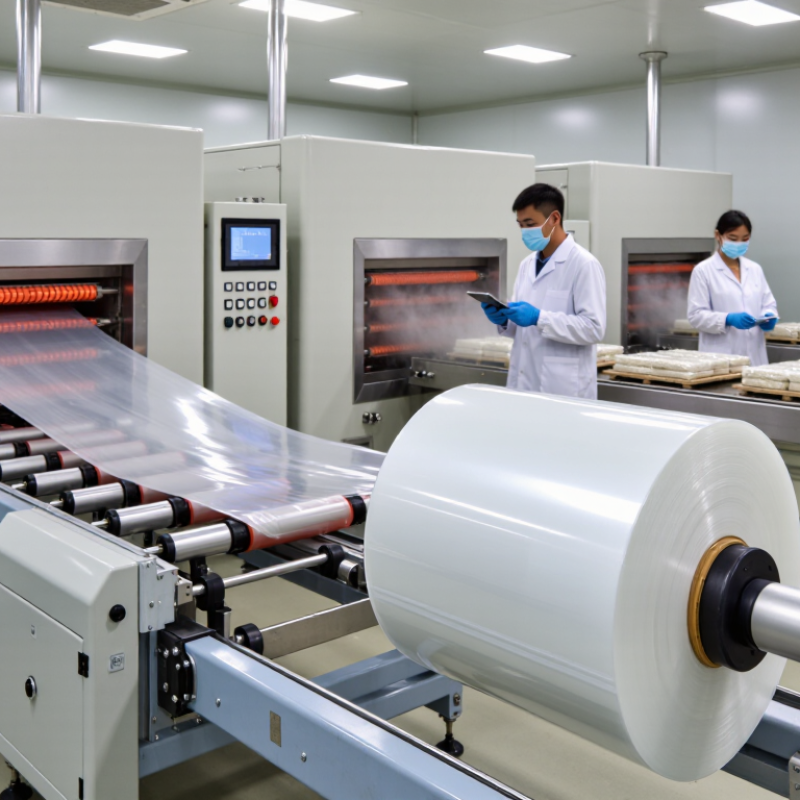
Low-temperature POF shrink film is a transparent, multilayer packaging material that tightens around products with relatively mild heat. It commonly shrinks between 120°C and 150°C, depending on its grade and equipment. This lower activation range helps protect heat-sensitive goods, printed surfaces, and lightweight containers. The film usually provides clear presentation, balanced strength, and reliable sealing.
During packing, heated air or a shrink tunnel softens the film. The material then contracts evenly around the product. A proper seal should look smooth, not cloudy or heavily wrinkled. Film thickness often ranges from 10 to 19 microns. Thinner film reduces material use, while thicker film may improve puncture resistance. The correct choice depends on product shape, transport distance, and machine speed.
In practical testing, the first trial is rarely perfect. Excessive heat can create holes, distortion, or weak seals. Insufficient heat leaves loose corners and poor appearance. Operators should adjust temperature, conveyor speed, and airflow together. A reliable supplier should provide technical data, sample rolls, and clear testing guidance. They should also explain how storage conditions affect film performance. High humidity and long exposure to heat may change sealing behavior. Low-temperature shrink film saves energy in some applications, but that benefit should be verified on the actual packing line.
China Best Low Temperature POF Shrink Film Supplier?
Low-temperature POF shrink film seals products with less heat than standard shrink film. This feature helps protect heat-sensitive packaging and reduces surface distortion. It also supports faster packaging lines when the machine settings are properly adjusted. A clear, glossy finish improves shelf visibility. Balanced shrinkage helps the film fit around boxes, trays, and irregular shapes. Strong sealing performance matters during transport and storage.
In practical use, film thickness, shrink temperature, and shrink ratio must match the package. A thin film may save material, but it can tear around sharp corners. A thicker grade may offer better puncture resistance, but it can increase material costs. Operators should check sealing strength, shrink appearance, and film feeding stability on real equipment. Small temperature changes can affect results. It is not always perfect. Humidity, poor alignment, or uneven airflow may still create wrinkles. Reliable suppliers should provide technical data, sample testing, production consistency, and responsive support.
Tips: Test several film rolls before full production. Record sealing temperature, tunnel speed, and shrink time. Check the package after cooling, not immediately. Look for loose edges, cloudy areas, pinholes, and weak seals. Ask for batch information and storage guidance. Keep the film dry and away from direct heat.
China Best Low Temperature POF Shrink Film Supplier?
Choosing a low-temperature POF shrink film supplier requires more than comparing prices. Check the film’s shrink initiation temperature, shrink ratio, seal strength, clarity, and thickness tolerance. A reliable supplier should provide recent test data and clear technical specifications. Ask for samples from different production batches, not only one polished sample. Consistency matters during high-speed packing.
Observe how the supplier handles practical questions. Can its engineers explain sealing problems, wrinkles, or uneven shrinkage? Request a trial using your actual machine, product shape, and tunnel settings. A film that performs well in a laboratory may behave differently on a busy production line. That difference is easy to underestimate. Also review factory capacity, quality-control procedures, storage guidance, and response times. Certificates can support trust, but they should not replace independent testing.
Tips: Compare at least three samples. Measure film thickness at several points. Record tunnel temperature, line speed, and sealing pressure. Ask for a written replacement policy. Do not judge performance by appearance alone. A slight haze may be acceptable, while weak seals can cause expensive failures. In my view, supplier evaluation is never perfectly objective; production pressure can influence decisions. Keep a simple scoring sheet, invite an operator’s opinion, and reassess the supplier after repeated deliveries. Fresh evidence is more useful than confident promises.
Recommended evaluation weighting based on key purchasing and performance factors for low-temperature POF shrink film.
Low-temperature sealing and shrink performance should receive the highest attention because they directly affect packaging productivity, product protection, and energy consumption. Film clarity, puncture resistance, regulatory compliance, and supply consistency should also be verified through technical datasheets, samples, trial runs, and quality records.
China has become a strong sourcing base for low temperature POF shrink film because its manufacturing network supports both scale and customization. Experienced factories can adjust film thickness, roll width, shrink ratio, and sealing performance for different packaging lines. Many facilities use multi-layer co-extrusion, automated thickness control, and clean production areas to reduce variation between batches.
Quality depends on more than appearance. Reliable suppliers test seal strength, puncture resistance, haze, tensile strength, and shrink behavior at controlled temperatures. A practical production check may compare film samples at 110–130°C, depending on the packaging machine and product shape.
Operators also inspect roll edges, winding tension, and surface defects before shipment. Small details matter.
The manufacturing advantage is flexibility. Chinese producers can often combine resin sourcing, film conversion, printing coordination, and export packing within one supply chain. This can shorten lead times and simplify communication. Still, no factory is perfect. A supplier may offer excellent clarity but need improvement in low-temperature sealing, or provide stable film with slower customization. Buyers should request recent test data, trial rolls, production records, and clear tolerance standards before placing regular orders. Real reliability appears across repeated batches, not in one attractive sample.
Low-temperature POF shrink film suits bakery trays, snack boxes, cosmetics, and small household products. Its early shrink response can reduce heat exposure during sealing. That matters for chocolate, printed cartons, and heat-sensitive labels. The film also offers clear presentation, strong puncture resistance, and reliable bundle holding.
Buyers should compare shrink temperature, sealing strength, thickness tolerance, and machine compatibility. A film shrinking at 110–130°C may protect delicate packaging better than conventional alternatives. Still, lower temperature does not guarantee lower energy use. Tunnel speed, airflow, and equipment maintenance can change results.
Check actual trials, not only the technical sheet. According to the European Flexible Packaging Association, flexible packaging uses relatively little material compared with rigid formats, but recycling performance remains a practical concern.
Ask for gauge consistency, food-contact documentation, migration testing, and batch traceability. Small details matter. A supplier should provide test data under your real line conditions.
Weaker films can fail around sharp corners, while overly thick films raise material costs. I have seen buyers focus on clarity and overlook seal contamination. That decision often becomes expensive. Temperature mapping and drop testing deserve equal attention.
It seals packaging with less heat than standard shrink film. This can protect heat-sensitive products from surface distortion. It also provides a clear, glossy finish.
It can fit boxes, trays, and irregular shapes. Balanced shrinkage helps reduce loose edges. Sharp corners still need careful film selection.
Thin film can reduce material use and packaging costs. However, it may tear around sharp corners. Thicker film improves puncture resistance but costs more.
Temperature, tunnel speed, sealing pressure, and shrink time all matter. Small changes can create wrinkles or weak seals. Test settings on the actual machine.
Inspect the package after cooling. Look for loose edges, cloudy areas, pinholes, and weak seals. Check the roll for stable feeding and even winding.
Review shrink temperature, shrink ratio, clarity, seal strength, and thickness tolerance. Request recent test data and samples from different batches. One attractive sample proves little.
Production consistency matters during high-speed packing. Trial rolls reveal differences between laboratory results and factory performance. Keep records of temperature, speed, and shrink time.
Many factories support customized thickness, roll width, shrink ratio, and sealing performance. Some use multi-layer co-extrusion and automated thickness control. Capability varies.
Keep the film dry and away from direct heat. Protect rolls from humidity and handling damage. Storage guidance should come from the supplier.
Do not judge performance by appearance alone. Slight haze may be acceptable, while weak seals can cause failures. Reassess suppliers after repeated deliveries. Confidence can be misleading.
Low Temperature Pof shrink film is designed to achieve reliable, attractive packaging results at lower sealing and shrinking temperatures. This helps protect heat-sensitive products, reduce energy consumption, and improve packaging efficiency. Its key features may include excellent clarity, balanced shrink performance, strong puncture resistance, dependable sealing, and a smooth appearance after shrinking. These qualities make it suitable for products that require both presentation and practical protection.
When evaluating a China-based supplier, buyers should consider production capabilities, raw material consistency, quality-control procedures, technical support, customization options, delivery reliability, and compliance with applicable packaging standards. China’s developed manufacturing infrastructure can offer flexible specifications, competitive production efficiency, and stable supply capacity. The right film should be selected according to product sensitivity, package shape, equipment conditions, required shrink temperature, thickness, and transportation demands. A dependable supplier should communicate clearly, provide samples or technical data, and maintain consistent quality from trial orders to regular production.

Tianchen Materials