In the ever-evolving world of packaging, the choice of materials can significantly impact efficiency and sustainability. As global buyers prepare for 2026, understanding the landscape of PE Heat Shrink Film becomes essential. Industry expert Dr. Emily Chen emphasizes, "The right shrink film can enhance the product's shelf life and appearance."
PE Heat Shrink Film is widely used for packaging due to its versatility and durability. It shrinks tightly over products when heated, providing a tight seal. This quality not only helps secure products but also improves their visual appeal. Yet, choosing the right film involves more than just aesthetics. Factors such as thickness, clarity, and shrinkage rate are crucial. Making an informed decision demands careful consideration.
However, many buyers overlook critical specifications and end up with subpar products. The market is flooded with options, making it hard to distinguish between high-quality PE Heat Shrink Films and inferior alternatives. A thoughtful selection process can mitigate waste and enhance overall efficiency. Hence, understanding the nuances in this sector is vital for making impactful purchasing decisions.
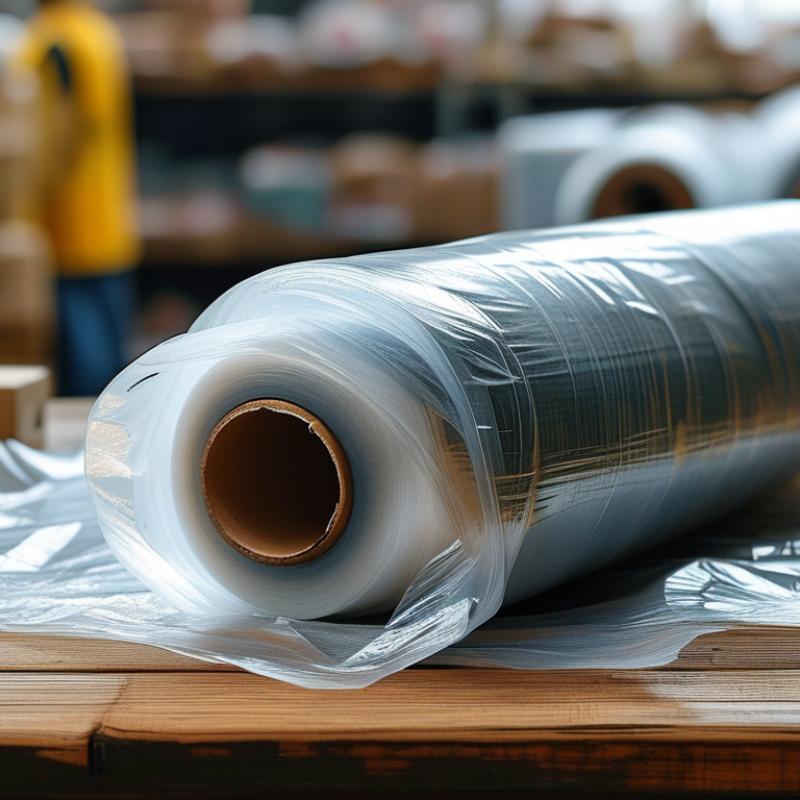
Understanding PE Heat Shrink Film: Types and Applications
PE heat shrink film is a versatile packaging material widely used across various industries. Understanding its types and applications can help buyers make informed decisions. Typically, PE heat shrink films come in two distinct types: center folded and single wound. Center folded films are ideal for covering irregular shapes, while single wound films work best for standard boxes. Each has its unique benefits and suitability for specific applications, such as food packaging, electronics, and consumer goods.
When choosing heat shrink film, consider the thickness and stretching properties. Thicker films provide better durability but may require advanced machinery for application. Sometimes, buyers overlook the importance of shrink temperature; incorrect settings can lead to inadequate sealing or excessive shrinkage. Be prepared for some trial and error during application to achieve the best results.
If you're considering PE heat shrink film for your projects, remember to check for UV resistance if your products are stored in sunlight. Additionally, ensure that the film adheres properly to the substrate you are using. Minor adjustments in temperature or application methods can significantly impact performance. Evaluating these factors can elevate your packaging success and ensure products remain intact and visually appealing.
Key Factors to Consider When Buying PE Heat Shrink Film
When selecting PE heat shrink film, several key factors will influence your decision. First, consider the thickness of the film. Thicker films can provide better durability and protection. However, they may be less flexible. Choosing the right thickness balances protection and application needs. Additionally, evaluate the clarity of the film. High clarity films enhance visibility but can sometimes compromise strength.
Look into the shrinkage ratio as well. A high shrinkage ratio is essential for applications requiring a tight fit. It allows the film to conform closely to the product shape. It's also vital to ensure that the film is compatible with the items being packed. Testing the film with your products can reveal potential issues.
Don’t overlook the environment. Biodegradable options are becoming popular. They reduce long-term waste. However, they might be less effective in certain conditions. Assessing your environmental goals first can guide your choice. Remember that every application has unique demands. The right film must meet those specific requirements despite the challenges in selection.
Top Brands and Manufacturers of PE Heat Shrink Film in 2026
When considering PE heat shrink films, identifying top brands and manufacturers in 2026 is crucial. The market offers a variety of options, each tailored to specific needs. Quality matters. Look for films that provide durability and strong shrinkage properties. They can significantly enhance packaging efficiency. Pay attention to the thickness and clarity of the film. A thicker film often means higher quality and better performance.
Tips for selection include evaluating the manufacturer's reputation. Research their history and read customer reviews. Test samples if possible. Some films may not perform as expected, leading to wasted resources. Understanding the specific application requirements is vital. Different industries have unique demands, and the right choice can make a big difference.
Consider the environmental impact of your choice. Some manufacturers are leaning towards eco-friendly options. This is a positive shift but ensures that these alternatives meet your requirements. While many brands may look appealing, not all deliver on performance. Always examine the fine details. Ultimately, informed decisions lead to better results in your operations.
Comparative Analysis of PE Heat Shrink Film Prices Worldwide
When examining the prices of PE heat shrink films worldwide, several factors emerge. The geographical region greatly influences pricing. For instance, films produced in Asia tend to be more affordable. Meanwhile, European countries often have higher costs. This price disparity reflects both production expenses and regional demand. Import tariffs can also impact final prices.
Another critical aspect is the film's quality. Higher-quality options promise better durability and performance. Buyers might find that investing in premium films leads to long-term savings. However, not all high-priced films guarantee superior results. It's essential to evaluate product reviews and certifications before making a decision.
Amid these choices, transparency in sourcing is vital. Some manufacturers may not disclose ingredient specifics, which can affect reliability. As buyers explore their options, they should remain aware of potential trade-offs between cost and quality. Such reflections can aid in making informed purchasing decisions.
Best Practices for Storing and Using PE Heat Shrink Film
PE heat shrink film is an essential material for various packaging applications. Proper storage and use can enhance its effectiveness and lifespan. First, store the film in a cool, dry place, away from direct sunlight. Exposure to heat or UV light can lead to degradation. Ideal storage temperatures range from 15°C to 25°C. Ensure the area is well-ventilated to prevent moisture accumulation, which can affect film quality.
Before using the heat shrink film, inspect it for any visible damage. Look for tears, creases, or signs of degradation. Even minor imperfections can affect the shrinkage process, making it less effective. When working with the film, use clean tools to avoid contamination. A clean environment minimizes the risk of introducing particles that may interfere with adhesion and shrinkage.
During application, ensure even heat distribution. Uneven heating can result in warping or incomplete shrinkage. Test the heat settings on a small sample before proceeding. Adjust as necessary, keeping a close eye on the film's response to heat. Reflect on your process regularly. If results are inconsistent, analyze the methods and make adjustments accordingly to achieve optimal results in your packaging endeavors.
FAQS
: It is a versatile packaging material used in various industries.
There are two types: center folded and single wound.
Use them for covering irregular shapes effectively.
They work best for standard boxes.
Thicker films offer better durability and may need advanced machinery.
It can lead to poor sealing and excessive shrinkage.
Yes, if products are stored in sunlight, UV resistance is crucial.
Small changes in temperature can significantly enhance effectiveness.
Look into their reputation, history, and customer reviews.
Yes, but ensure they meet your specific requirements before choosing.
Conclusion
The "2026 Top PE Heat Shrink Film Buying Guide for Global Buyers" provides a comprehensive overview of PE heat shrink film, emphasizing its various types and applications in different industries. Understanding the key factors to consider when purchasing PE heat shrink film is crucial for ensuring quality and suitability for specific uses. The guide highlights the most reputable brands and manufacturers in 2026, alongside a comparative analysis of pricing trends worldwide, helping buyers make informed decisions.
Additionally, the article discusses best practices for storing and using PE heat shrink film effectively, ensuring optimal performance and longevity. By following these guidelines, buyers can enhance their purchasing strategy and maximize the benefits of PE heat shrink film in their projects.

 Tianchen Materials